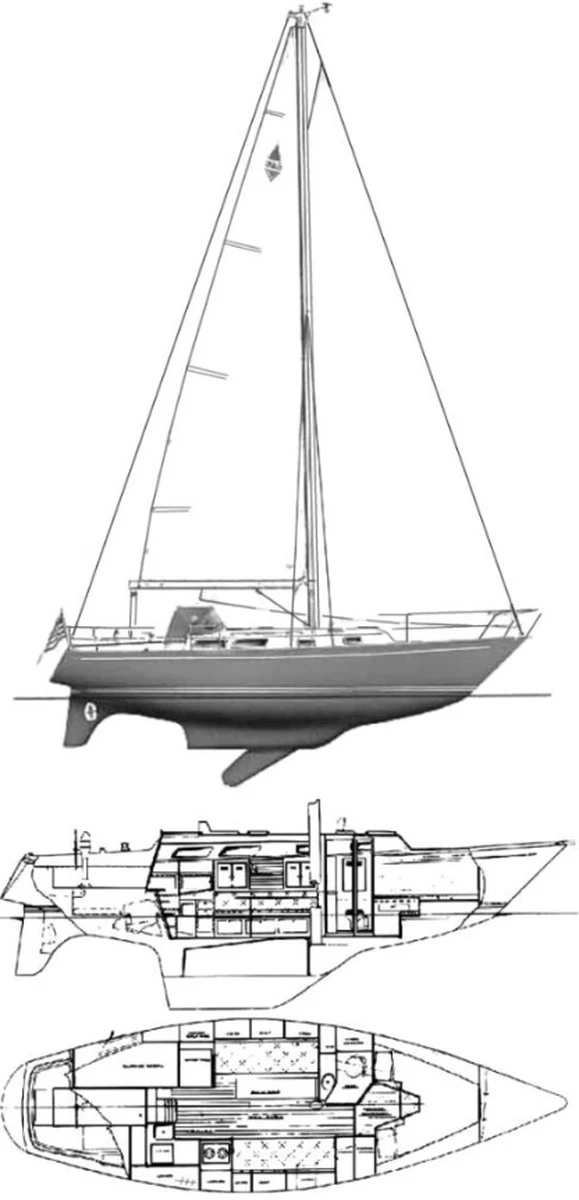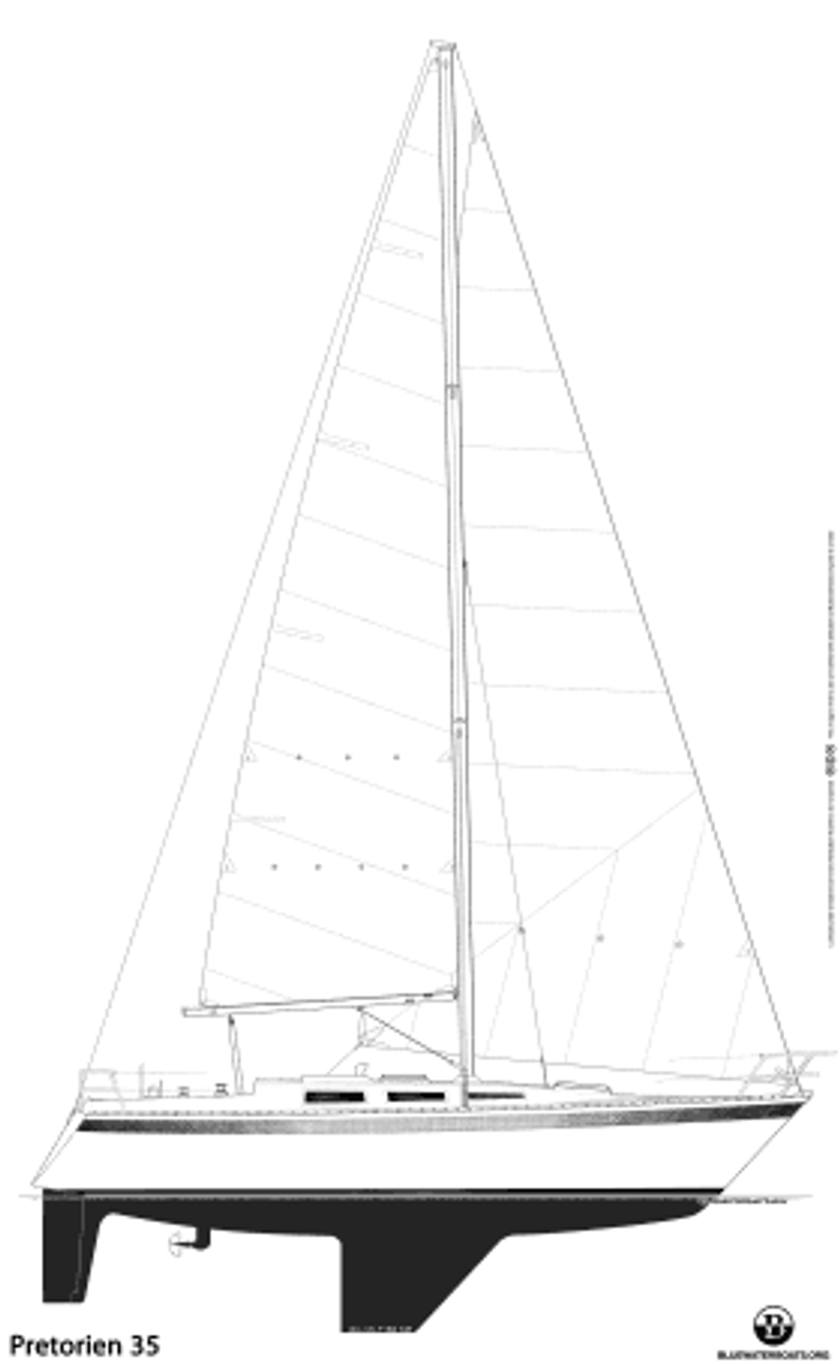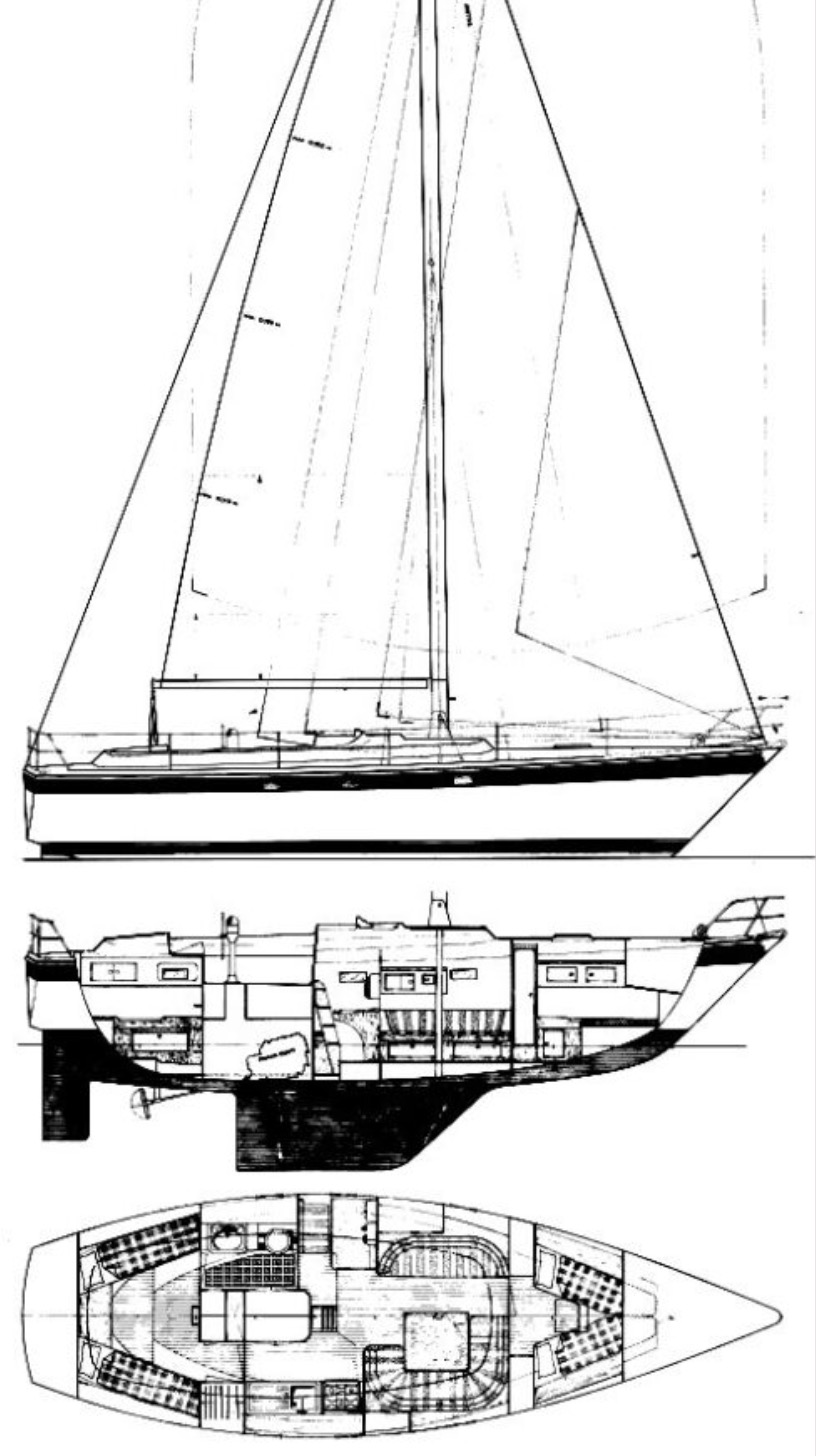
Overview
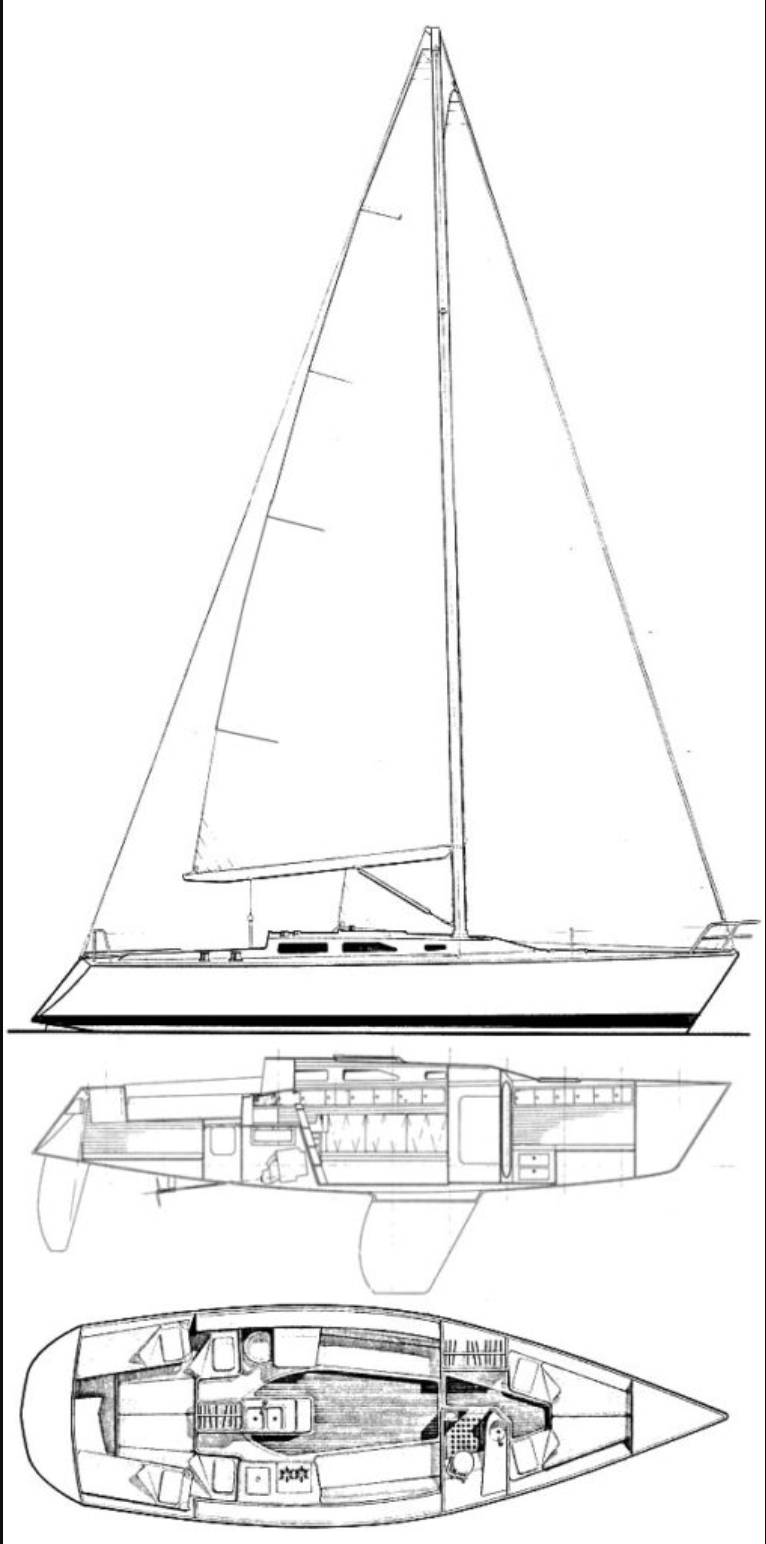
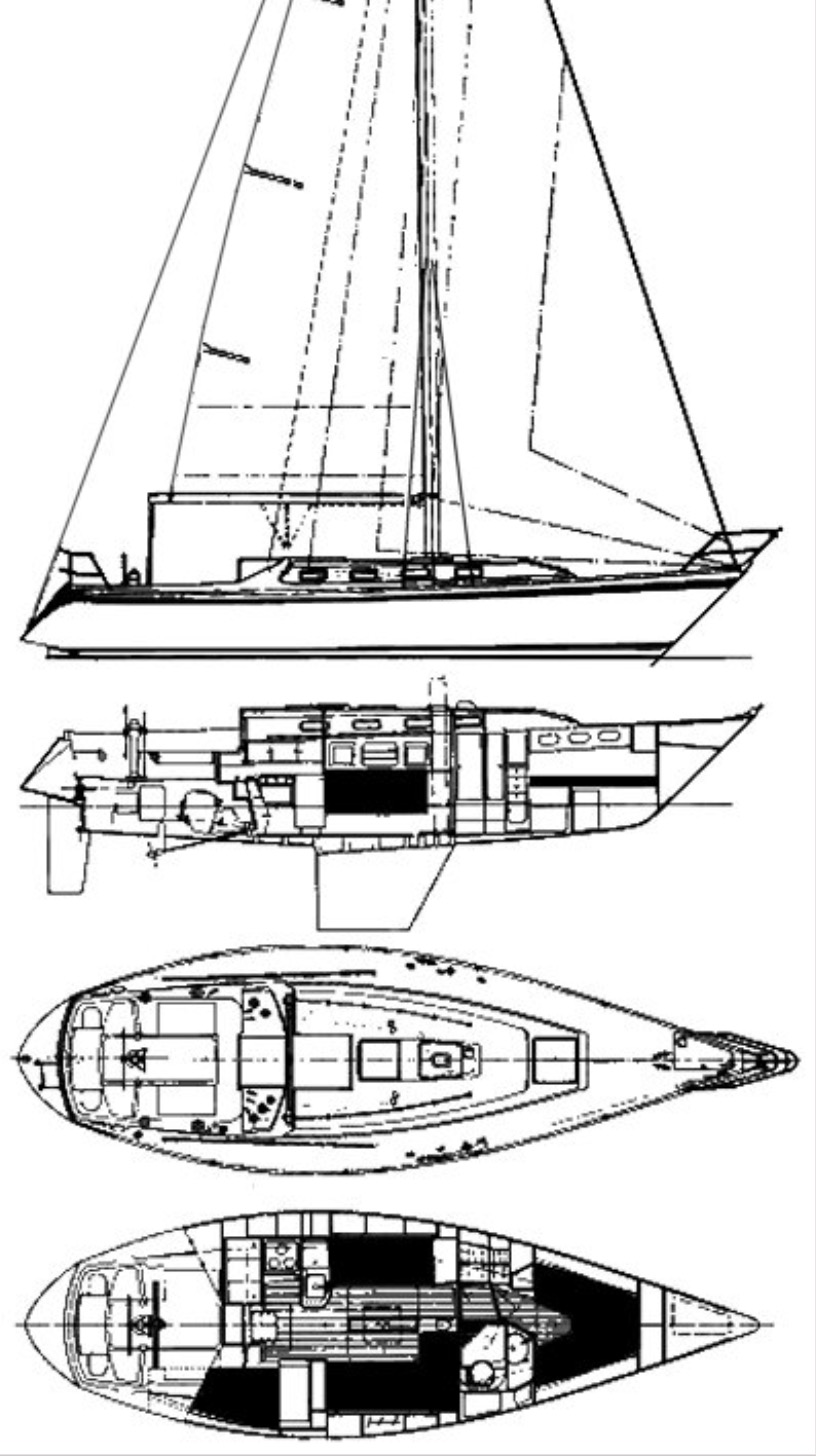
The Trintella 38 is a Dutch cruiser from the long-running Trintella marque, built by the Anne Wever shipyard to a design by E. G. van de Stadt. It marked a real departure from the center-cockpit Trintellas that preceded it (the IIIa, IV, and V), moving to a near-flush deck profile that the Trintella owners’ association’s own history credits as the start of a distinct “Flush Deck Serie” within the marque, based on van de Stadt’s “Zeehond” hull.
History
Trintella traces back to Anne Wever, a Dutch harbourmaster who began building boats in his spare time in 1953 and partnered with van de Stadt on a line of steel-hulled cruisers, the Trintels. In 1961 the yard became the first in Europe to build in GRP, and the resulting 1964 launch gave the Trintella name to the marque going forward. The 38 followed roughly a decade later, in production from 1975 to 1985 with 45 hulls built, before the line moved on to larger flush-deck models (42, 44, 45, 53) and eventually an aluminum series from the mid-1980s.
Design and Construction
At just under 23,150 lb displacement with a 42 percent ballast ratio, the 38 is solidly built for its size, with a fin keel and skeg-hung rudder in place of the long keels common on the earlier center-cockpit Trintellas. The standard rig is a masthead sloop; sailboatdata.com’s own record also lists a ketch as an available alternate. The Trintella marque generally is known for a level of joinerwork closer to one-off custom yachts than typical production fiberglass cruisers of the era.
Under Sail
No hull-specific documented ocean passage was found for the Trintella 38 in this research pass. The marque’s broader reputation for serious offshore capability is well established in independent sources, but that reputation attaches to Trintella as a builder across many models and decades, not to a specific named 38 and voyage, so it is disclosed here as design-level context rather than used as passage evidence.
Buyers Notes
As with any 1970s-80s Dutch-built cruiser, a survey should pay close attention to the skeg-hung rudder bearing and fittings, deck coring condition, and the condition of the original tankage. Because “Trintella” spans a wide range of distinct hull designs across four decades, confirm the specific model and hull number of any boat under consideration rather than assuming specifications carry over from a different Trintella.