Overview
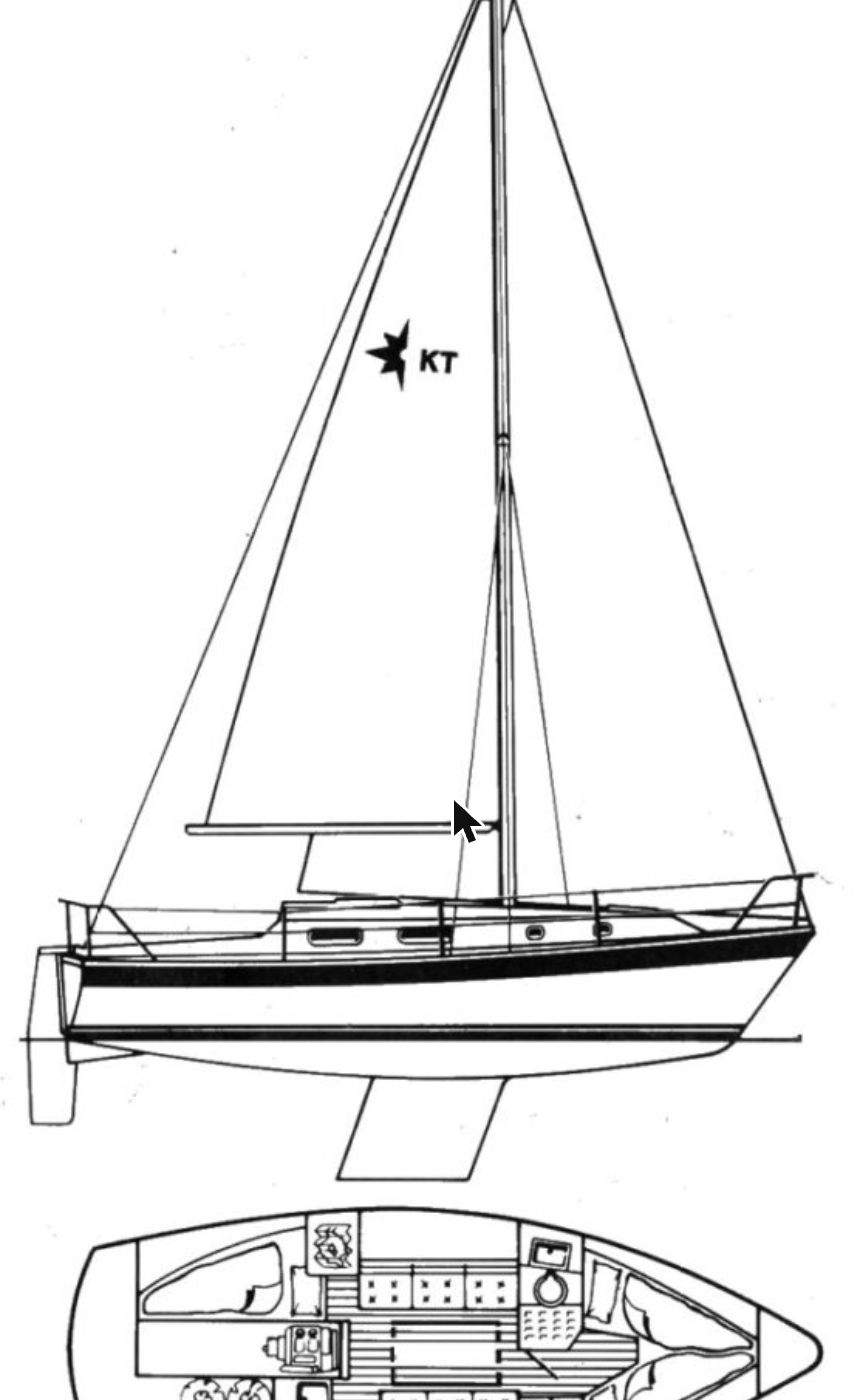
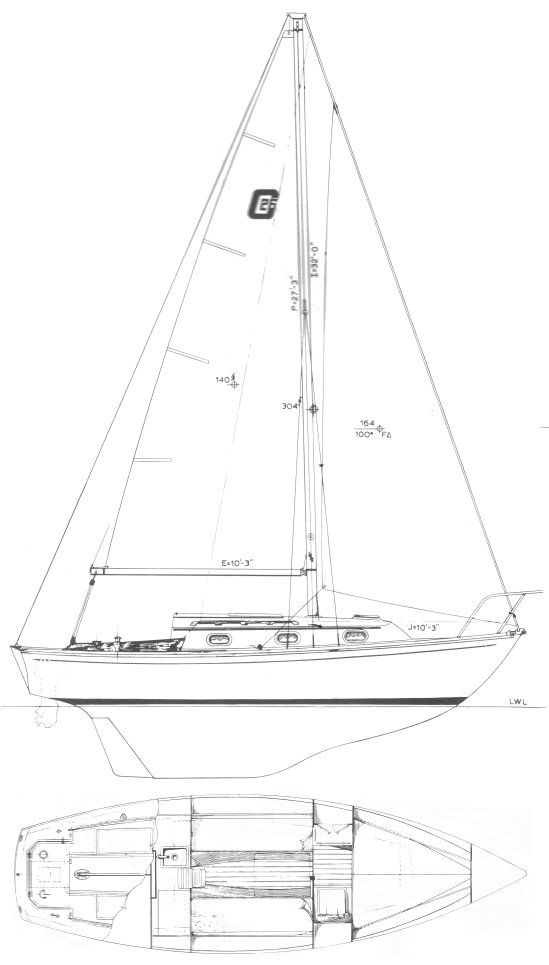
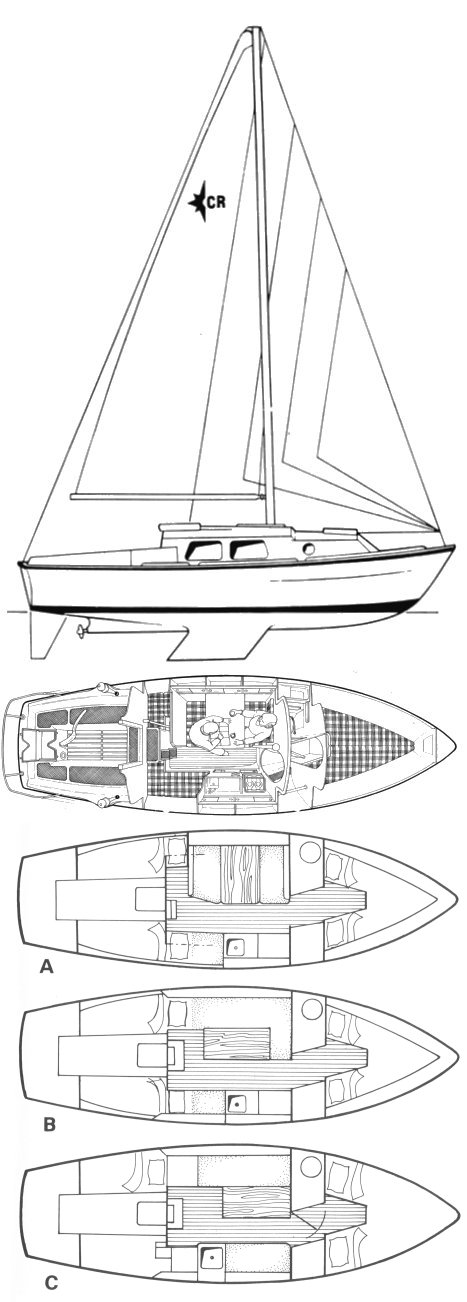
The Westerly Centaur 26 is a Laurent Giles design built by Westerly Marine Construction from 1969 to 1980, and by most accounts the most commercially successful British production sailboat of its size ever built, with something over 2,400 hulls launched. It is a twin bilge-keel cruiser designed around a specific, practical idea: a boat that can dry out standing upright on tidal flats and mud berths common around Britain, at a real cost in windward performance compared with a single deep fin or long keel.
History
Westerly built the Centaur during the peak years of British bilge-keel cruiser production, when drying harbours and tidal moorings around the UK coast made a boat that could sit upright without a cradle or legs a genuinely useful feature rather than a novelty. Baldwin’s list notes that a friend of his completed a solo circumnavigation aboard a Centaur, evidence the design held up to more than the coastal and Channel-crossing duty it was built for.
Construction
Westerly was an early adopter of fiberglass hull liners, and the Centaur’s liner comes with inspection hatches that make checking structural bonding easier than on boats without them, a detail SpinSheet’s review calls out as ahead of its time. The twin keels use an aerofoil section, toed in two degrees and splayed outward from vertical, a real improvement over earlier bilge-keel boats’ performance. That said, Practical Boat Owner’s own retrospective is blunt about a real weak point: the structural engineering tools available when the Centaur was designed underestimated the loads the splayed keels see in service, and keel-root failures have shown up on the fleet, worst on boats that regularly dried out on muddy moorings, precisely the use case the twin-keel design was built for. Early rudders were also under-supported structurally; later production switched to a skeg-supported rudder, a meaningfully better-engineered arrangement. Hull-deck joint sealing is a recurring problem area too. The twin keels themselves, their attachment points, and the forward bulkhead are the parts of the boat that most need a close look on a survey, particularly on older hulls; shroud chainplate connections are the other recurring inspection point on early models. Bilge space is minimal by design, since there is no deep sump the way there would be with a single keel, which complicates access for some maintenance and bilge pump work.
Under Sail
SpinSheet’s review is blunt about the performance tradeoff: twin keels mean more wetted surface, less speed, and reduced pointing ability compared with a fin-keeled boat of the same size, a real disadvantage in the light air common on many cruising grounds. Baldwin’s own minuses echo this exactly, wishing the builder had put twin keels “on a more attractive design” and noting the keels are “notably less efficient than a single deep fin keel, and perhaps even less” efficient to windward than some single-keel designs on his list. Against that, the payoff is real: 3 feet of draft and the ability to take the ground upright, which matters enormously in tidal cruising grounds and lets an owner careen or work on the bottom without a haulout.
Buyers Notes
Baldwin’s pluses single out the storage: “more than expected stowage area,” plus the practical value of the twin-keel concept itself for anyone sailing shallow tidal harbors. Owner reports describe better than 6 feet of headroom throughout the cabin, a comfortable cockpit, and generally solid aging across a fleet now more than 40 years old, provided the keel attachments and chainplates have been kept up. Given the documented keel-root failure risk, buyers should inspect the bilge keel roots and their backing structure closely, especially on any boat with a history of regularly drying out on mud, along with the forward bulkhead tabbing, hull-deck joint sealing, and (on earlier hulls) whether the rudder has been upgraded to the later skeg-supported design. Go in expecting a boat built for shoal-draft practicality and comfortable accommodation rather than for speed or close-winded performance.