Overview
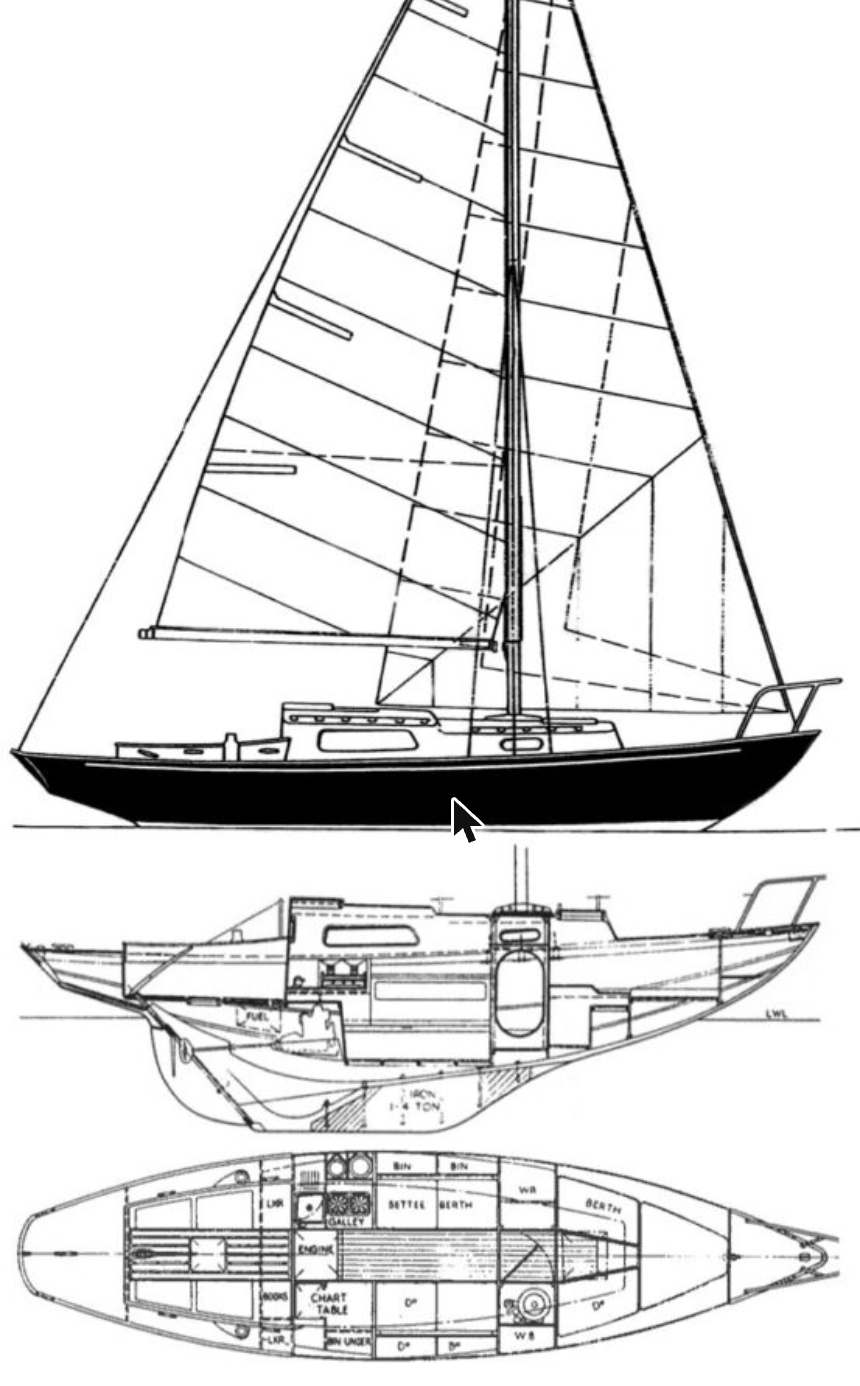
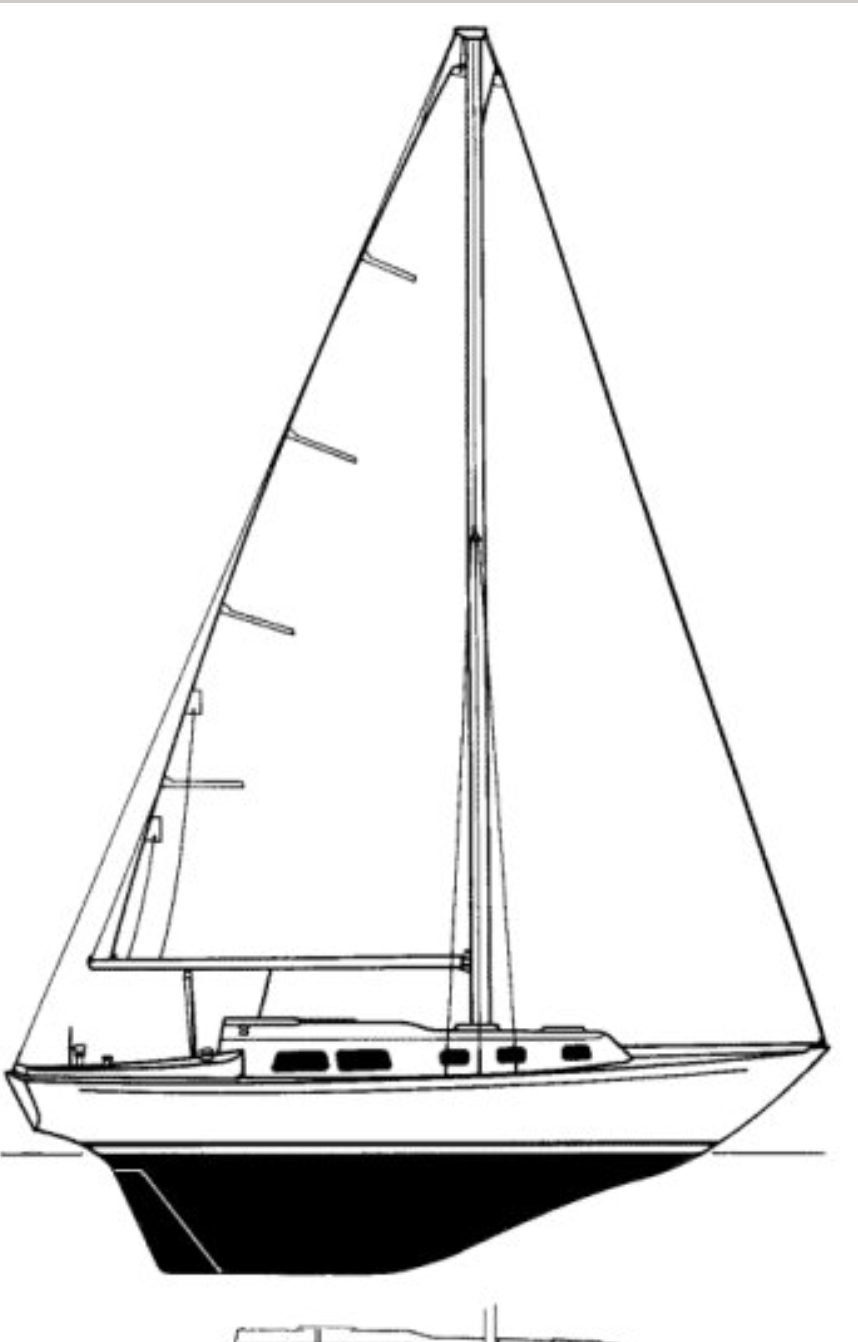
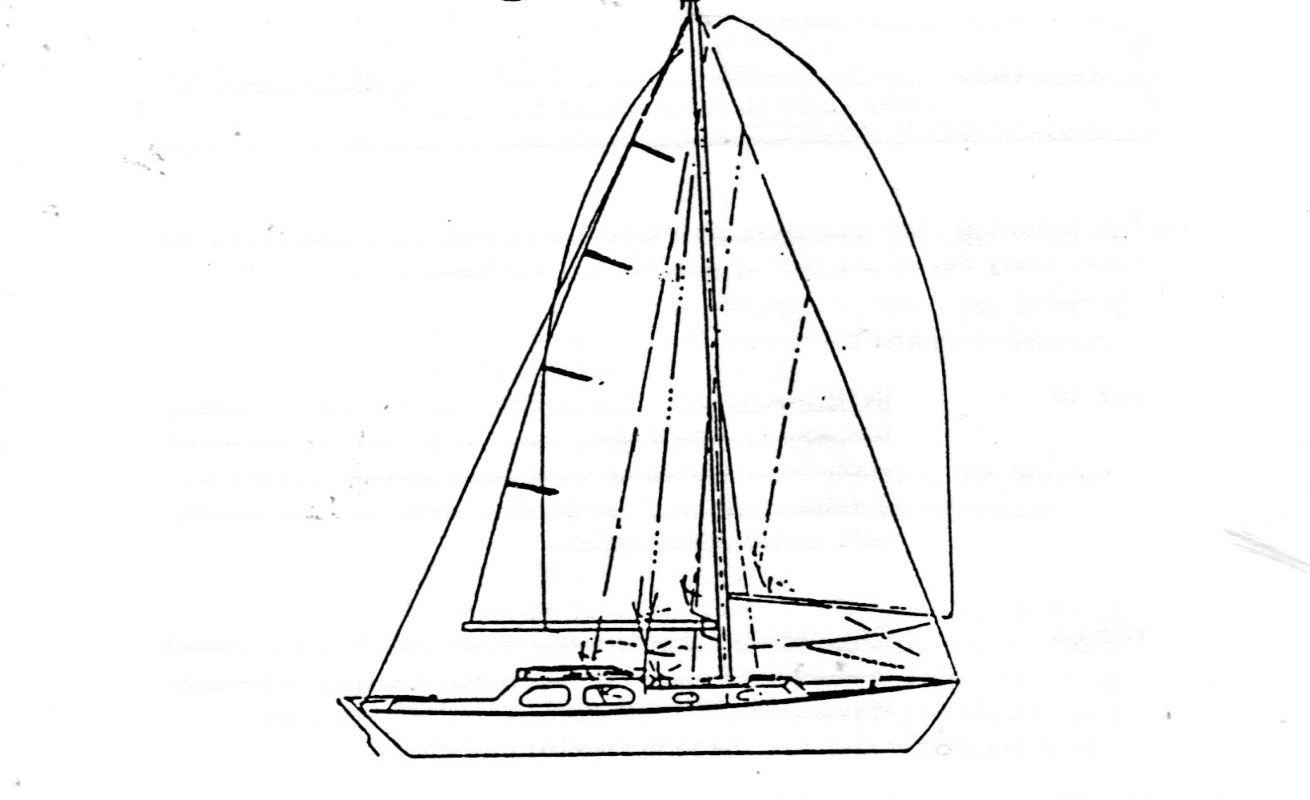
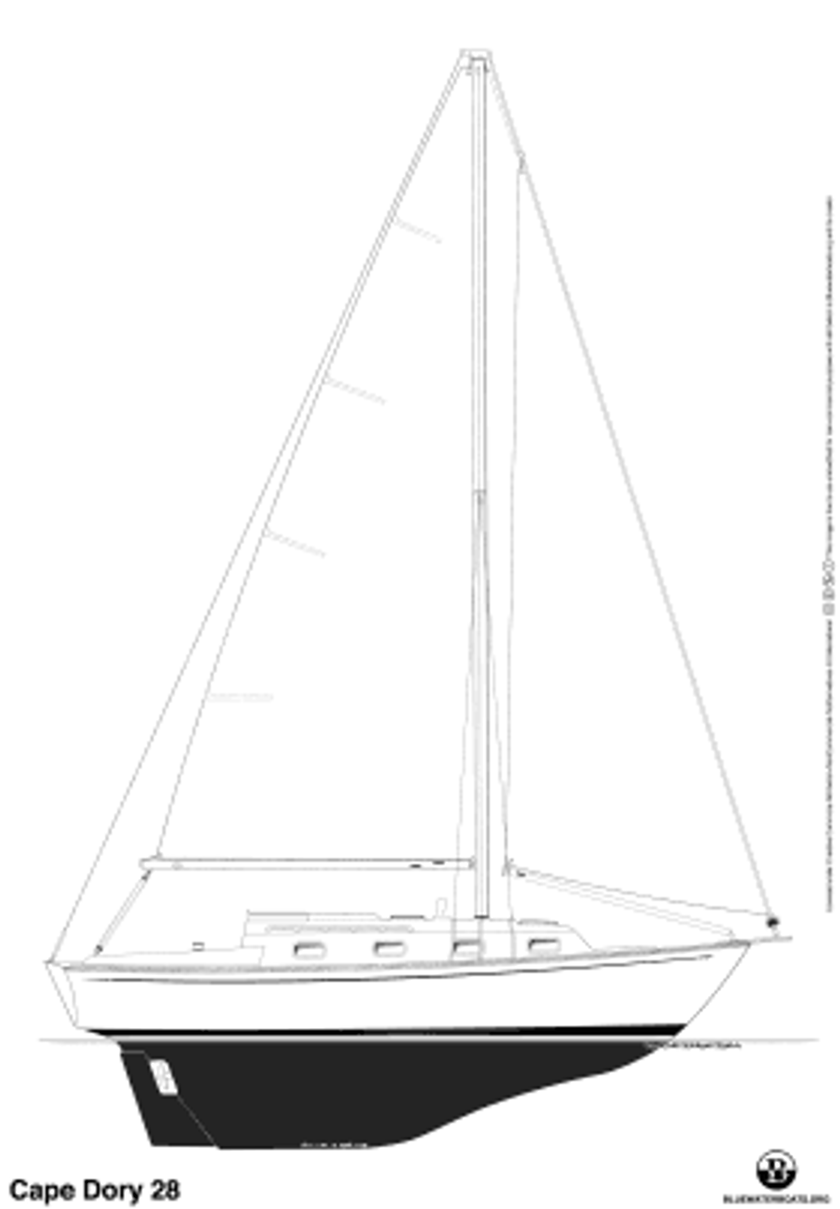
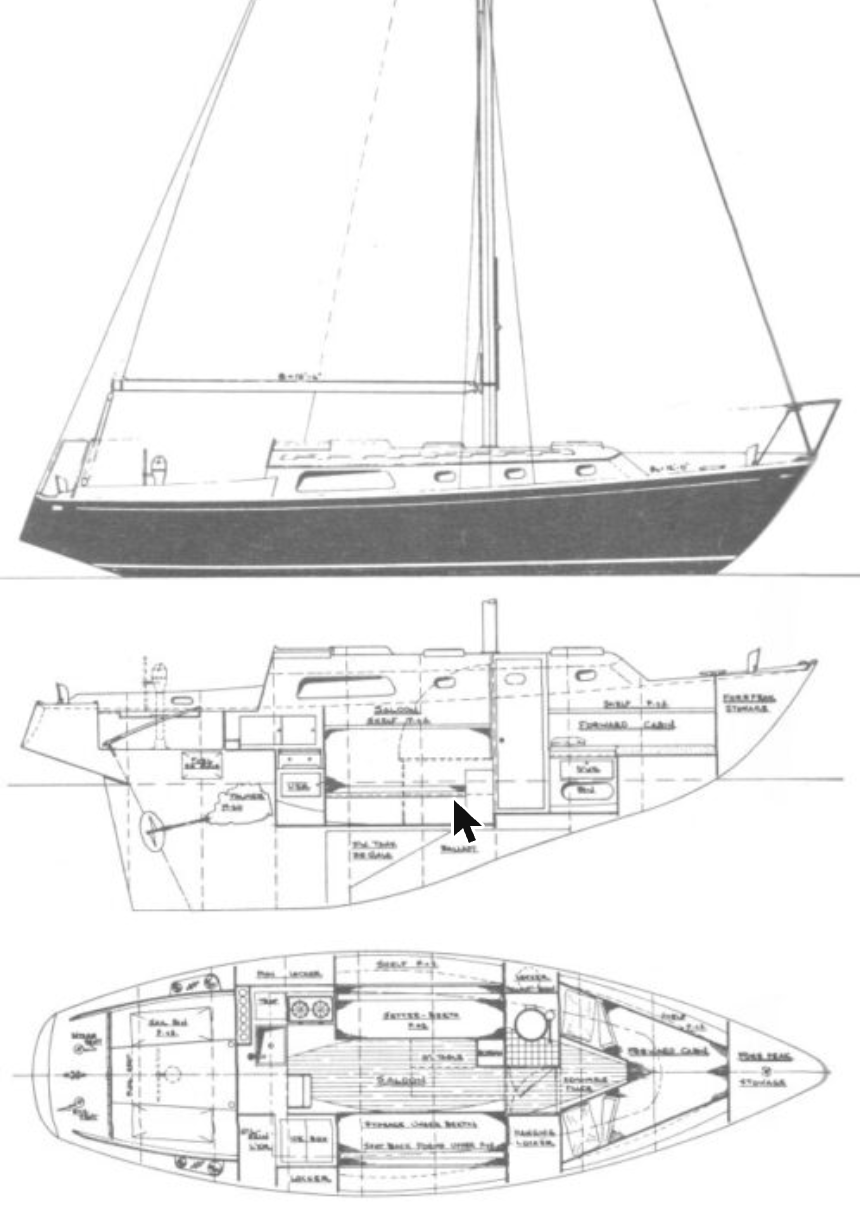
The Bristol 29 is a 1960s Halsey C. Herreshoff design, grandson of the Wizard of Bristol, built by Bristol Yachts in Bristol, Rhode Island from 1966 to 1971. It is a classic CCA-era cruiser: moderate beam, long overhangs, a generous 22’8” waterline for its length, and a heavy solid-glass hull that put it firmly in the “they don’t build them like this anymore” category even by the time Baldwin compiled his list.
History
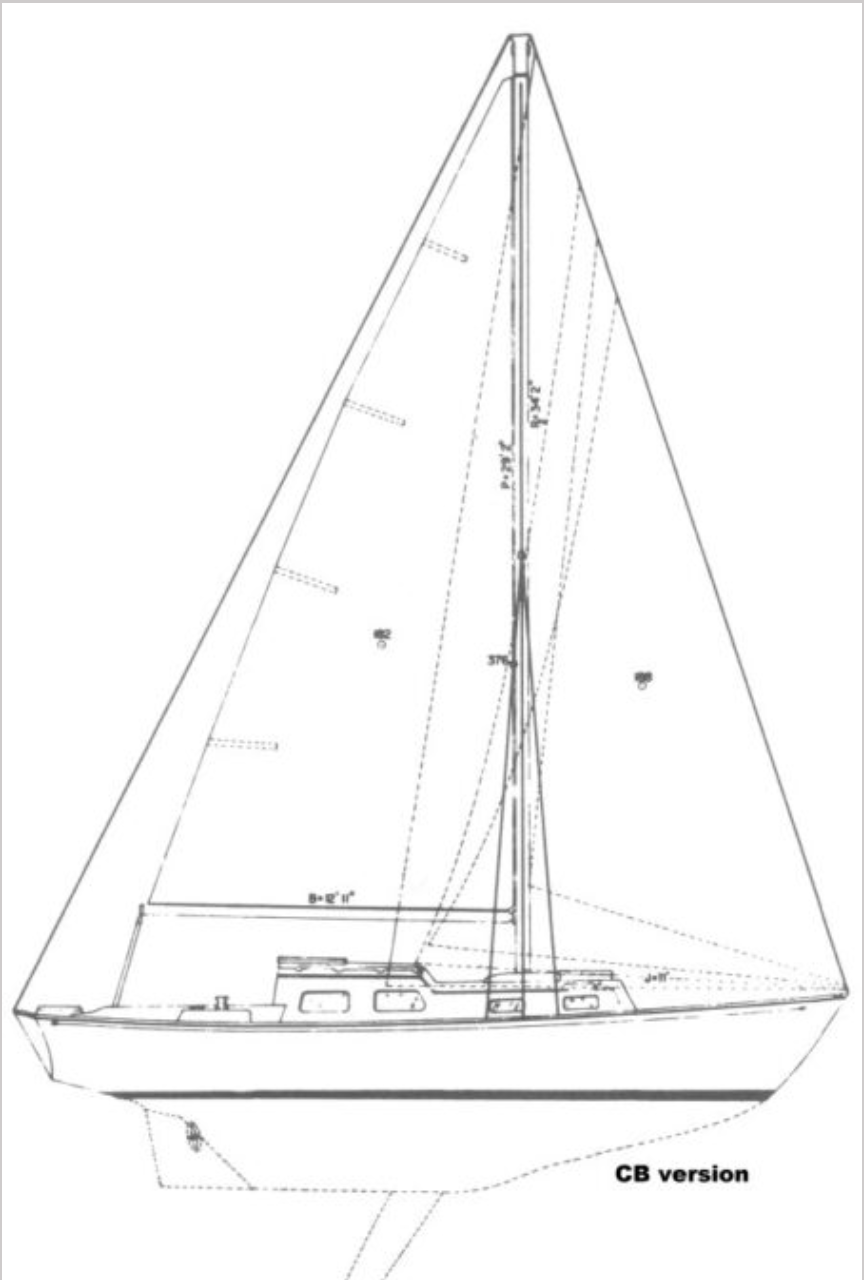
Bristol Yachts, founded by Clint Pearson after he left Pearson Yachts, built the 29 as one of its early models. Hull count is disputed between sources: sailboatdata.com and sailboat.guide both give a precise 169 built over the five-year run, while Good Old Boat’s own saildata page instead describes “approximately 125 units produced.” This entry uses the two agreeing, more specific sources’ figure of 169. Herreshoff drew it with the era’s signature underbody: a long keel with a cutaway forefoot and the rudder on its trailing edge, matching Good Old Boat’s own description (“a full-keel, heavy-displacement cruiser”). sailboatdata.com’s structured record instead classifies the hull a fin keel, but its own page for this boat opens with an unprompted warning that it is “often confused with the later Bristol 29.9 (a different design),” a fin-keel, skeg-rudder MORC racer-cruiser Bristol introduced in 1977, six years after this boat’s own production run ended; the fin-keel classification on this listing most likely reflects that well-documented mix-up rather than a second factory keel option on this boat itself. Buyers could order a fixed-keel boat drawing about 4’6”, or a keel/centerboard version drawing 3’4” with the board up, an option Bristol offered across much of its range. In 1968 the design grew into the Bristol 30 on what is essentially the same hull; the two share their rig dimensions and most of their character.
Construction
Baldwin’s recorded pluses are about build quality: “Teak toe rails. Above average construction features.” The hull is heavy hand-laid solid fiberglass, displacement is 8,400 lbs on a 22’8” waterline (a D/L over 300), and ballast is 3,450 lbs of lead, about 41 percent. The standard auxiliary was the Universal Atomic 4 gasoline engine; many boats have since been repowered with small diesels, and which engine a given boat carries is a meaningful part of its value. Tankage is generous for the size at 50 gallons of water.
Under Sail
With 400 sq ft of working sail on 8,400 lbs, the SA/D is around 15.5, and the honest description is under-canvased: the 29 wants wind and rewards a good light-air inventory. In return the heavy, narrow hull delivers a soft motion, a capsize screening figure of about 1.8, comfortably inside the offshore threshold, and the tracking manners of a long keel. It is the opposite trade from the shoal Bayfields on this list: deeper draft and less interior volume, in exchange for the stability numbers of a genuine passage boat.
Buyers Notes
The Bristol 29 sits in the same market niche as the Alberg 30 and Pearson Triton: proven 1960s New England full-keel cruisers, often at entry-level prices. Survey points are the era’s usual suspects: deck core moisture, original chainplates and their knees, the Atomic 4 (or the quality of its diesel replacement), and on centerboard boats the board, pin, and pennant, which are the one genuinely expensive repair on the type. With a production run numbering somewhere between roughly 125 and 169 depending on the source (see History), it is less common than its Pearson and Alberg cousins, but the boats that survive tend to confirm Baldwin’s note about above-average construction.