Overview
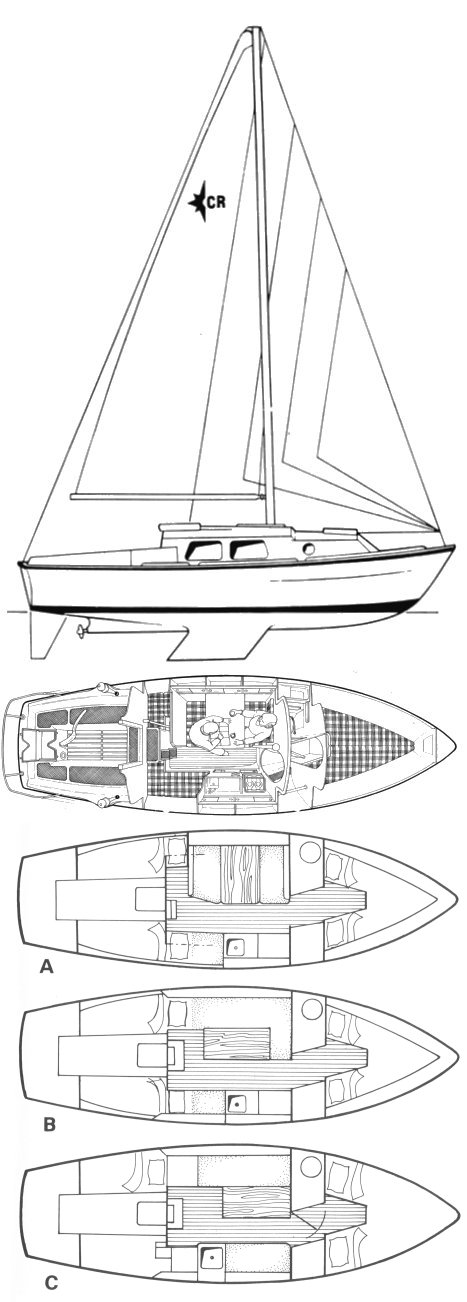
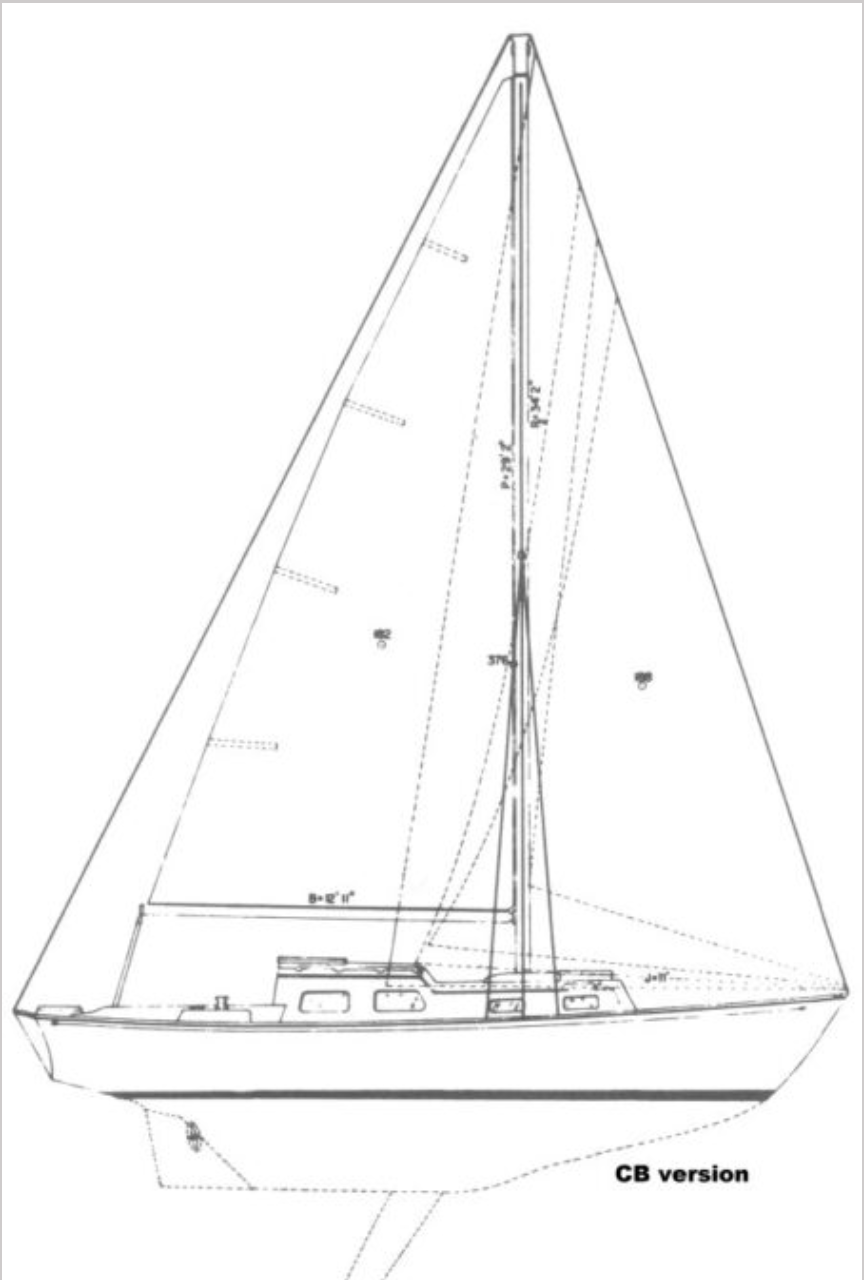
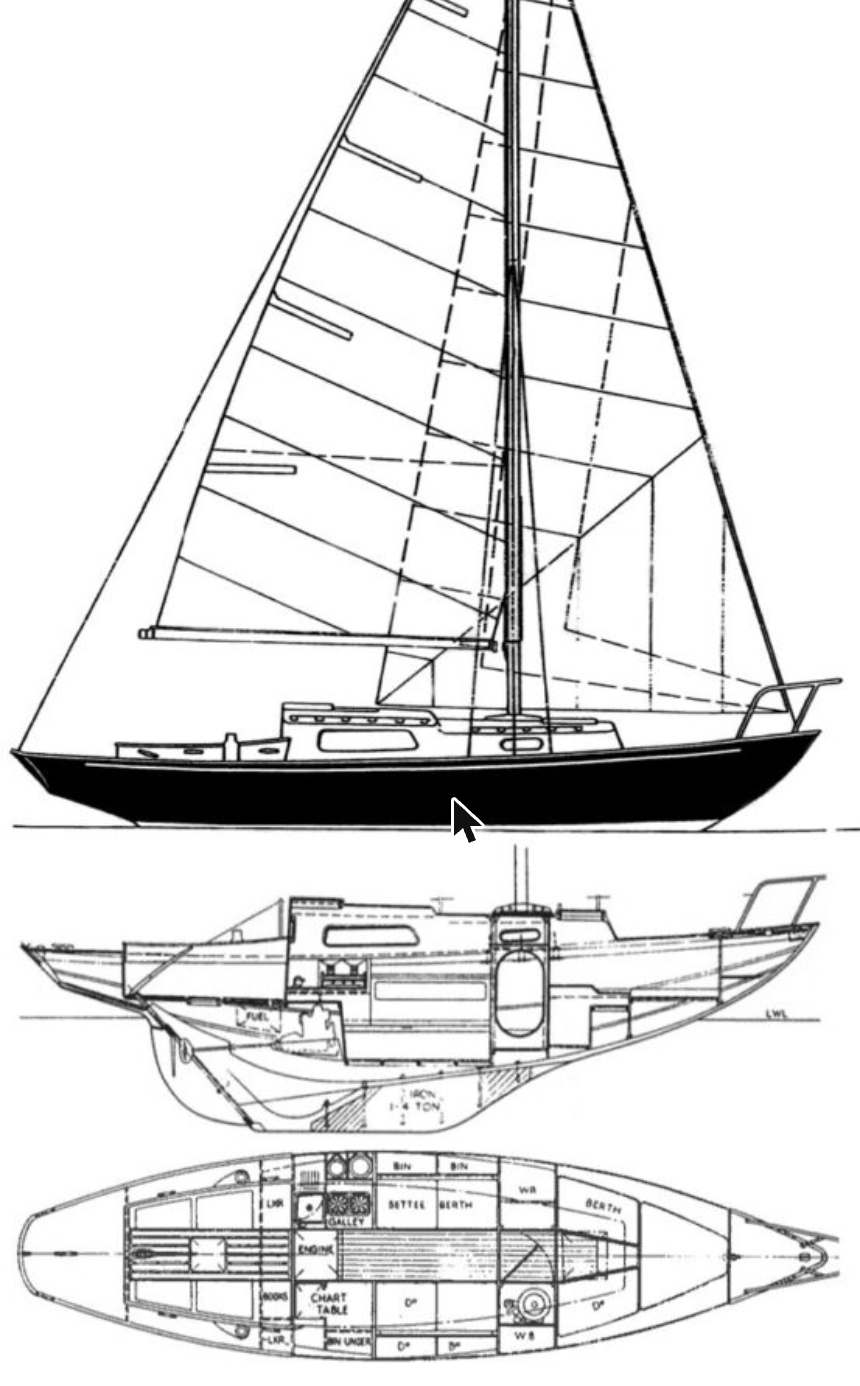
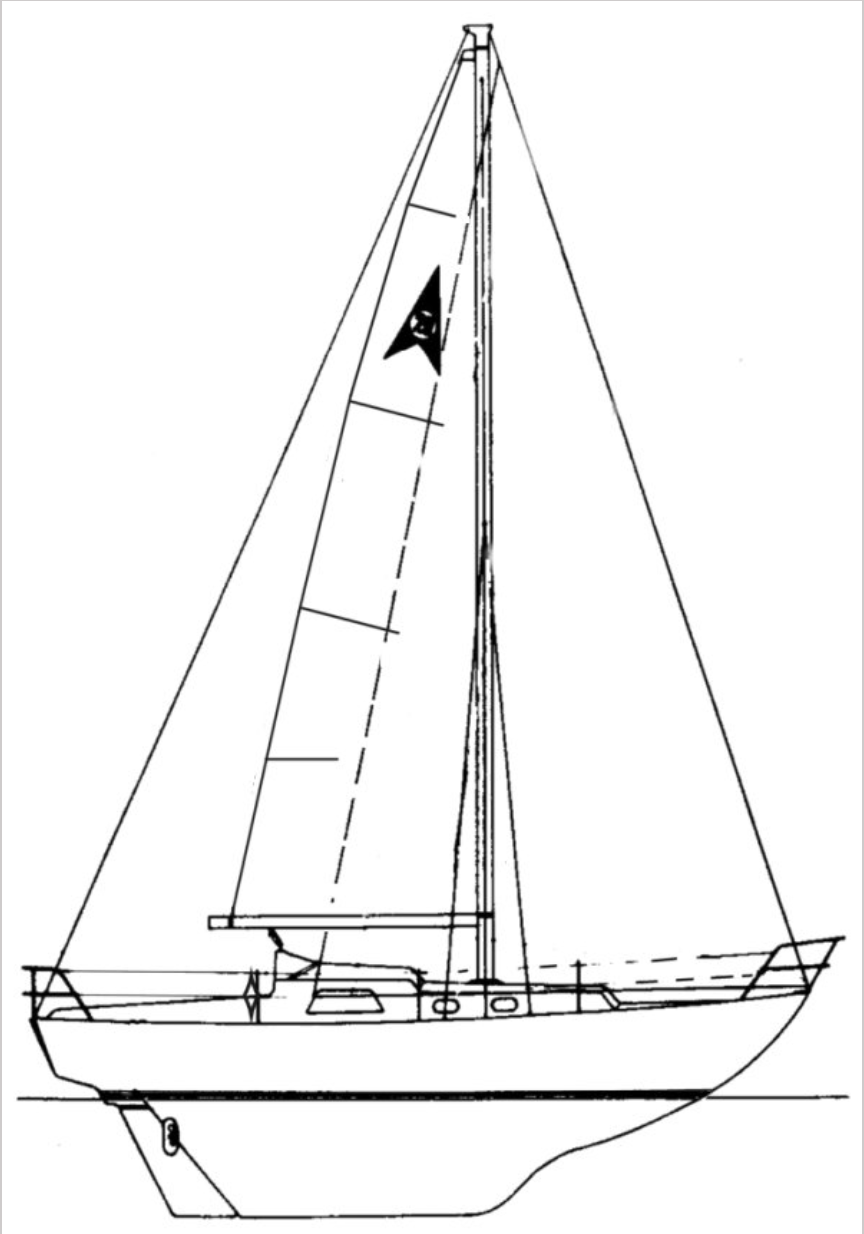
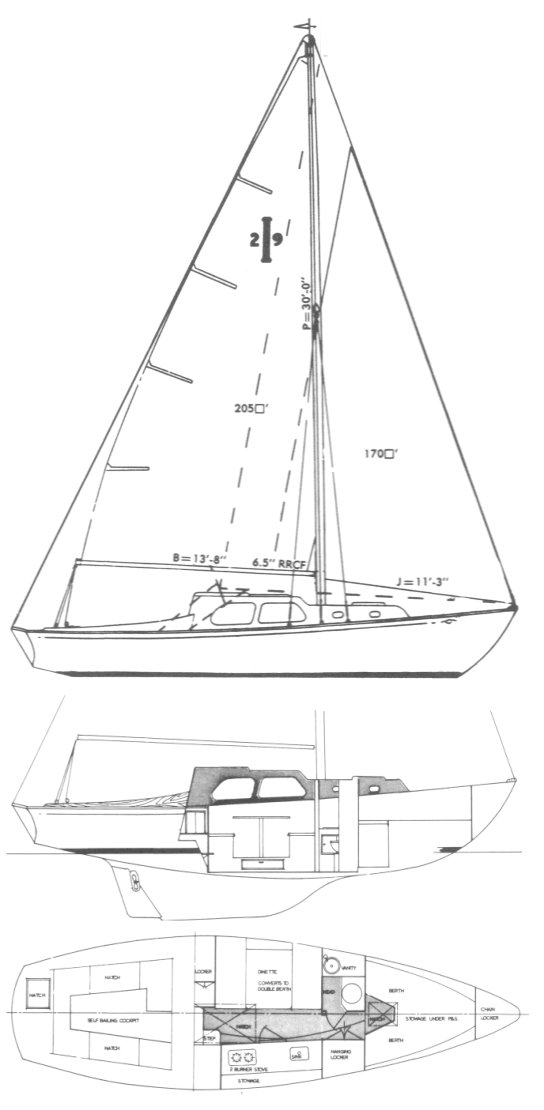
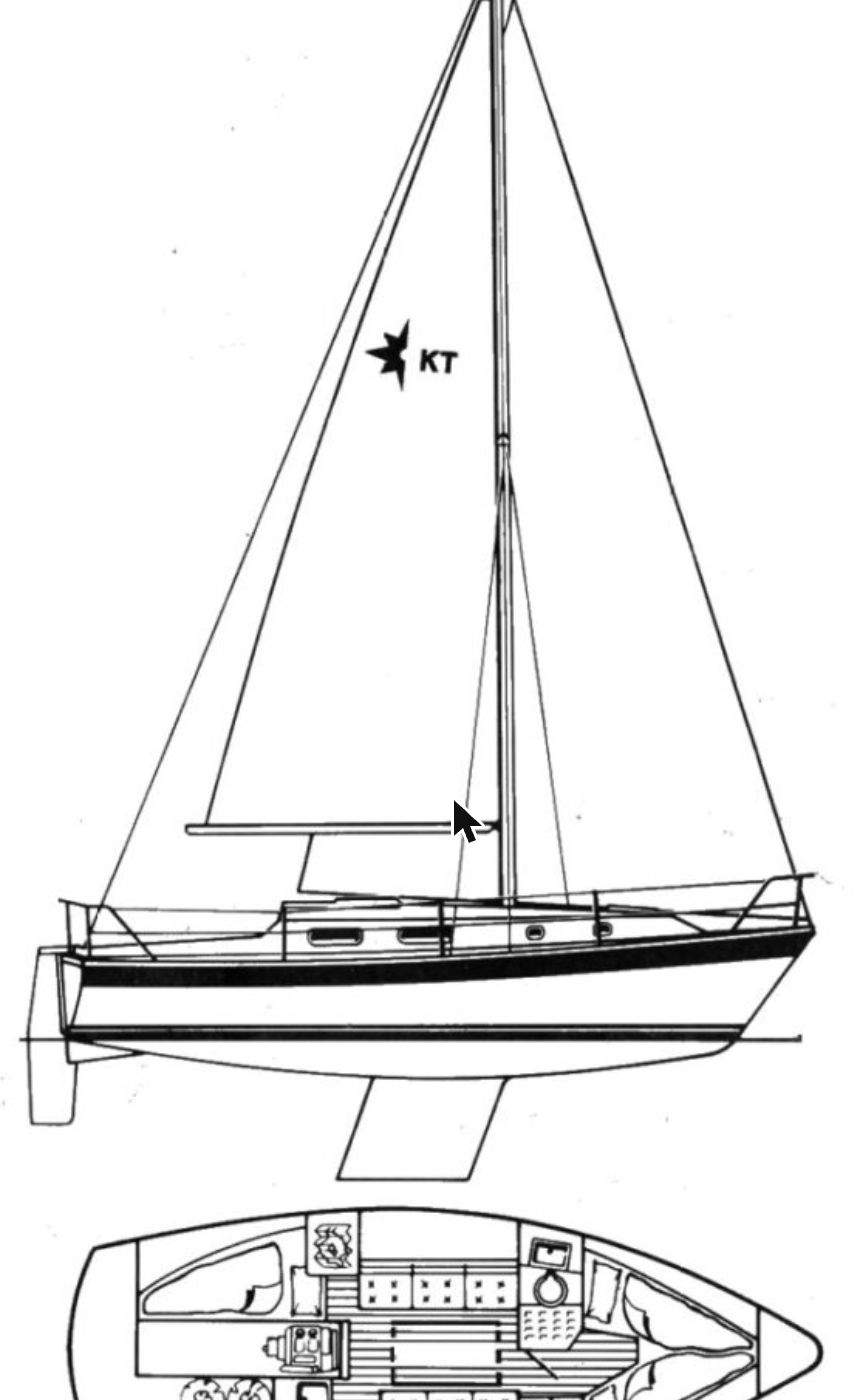
The Westerly Konsort 29 is a Laurent Giles design built by Westerly Marine Construction in Waterlooville, England, from 1979 to 1991. It fills the gap in Westerly’s range between the 26 ft Centaur and the larger 31 ft Longbow and Renown, and like the Centaur it was built mainly around a twin bilge-keel configuration meant for Britain’s tidal harbors and drying moorings, though a deeper single fin keel and a pilothouse Duo variant were also offered. James Baldwin lists the Konsort on his bluewater roster as a direct sibling of the Centaur, included as a deliberate exception to his usual full-keel requirement because the shoal draft mattered enough to some sailors to outweigh the tradeoff.
History
Westerly built the Konsort through the 1980s as the Centaur’s larger, later-generation replacement in the mid-size slot, and it became one of the company’s best sellers, second only to the Centaur in total production by Westerly’s own account. Sailboatdata records 704 hulls of the base Konsort built between 1979 and 1991; the pilothouse Konsort Duo was a separate, heavier variant sold alongside it, and some secondary listings fold the two together into a combined total approaching 1,000 boats. A period Westerly sales brochure describes the boat as suited “for both family cruising and single-handed sailing adventures,” built to a Lloyd’s Hull Construction Certificate standard, with a semi-balanced rudder and transom-hung construction meant to keep the cockpit clear for working the boat.
Construction
The hull is solid hand-laid fiberglass, and the standard specification called for a balsa-cored deck, with the sandwich forward of the mast replaced by a hardwood king plank on the centerline where anchor and rigging loads concentrate. Twin bilge keels carry 3,200 lb of ballast on an 8,516 lb boat, a ballast ratio near 38 percent, and reduce draft to roughly 3.2 ft, standing the boat upright on its own keels when the tide goes out, at the cost of the deeper fin-keel version’s 5.3 ft draft. A Bukh diesel was standard by the mid-1980s, replacing an earlier Volvo installation, with a 15 to 18 gallon fuel tank depending on model year and a cruising range of roughly 170 miles.
Under Sail
Baldwin’s own minus is specific and matches the general reputation of twin-keel Westerlys: “relatively poor light air and windward performance,” the direct tradeoff for the shallow draft and drying-out ability the keel configuration buys. The masthead sloop rig carries a modest working sail area of about 391 sq ft on nearly 8,600 lb of displacement, unremarkable numbers that put the boat solidly in family-cruiser territory rather than performance sailing. Westerly’s own sales copy promised decisive manoeuvrability from the semi-balanced rudder and a light tiller, and buyers looking for a boat that can be handled short-handed without a heavy helm will find that part of the reputation deserved even where outright speed is not the point.
Buyers Notes
Baldwin’s note places the Konsort exactly where it belongs: grouped with the Centaur as a shoal-draft, twin-keel design included on his list specifically because standing upright on a drying mooring is a real priority for some sailors, not because it points high or moves quickly upwind. His one recorded minus, twin-keel performance, is the same tradeoff every bilge-keeler makes, and buyers chasing speed should look elsewhere on the list. What the Konsort adds over the smaller Centaur is a genuinely bigger, more contemporary interior for the late 1970s and 1980s, plus the fin-keel and pilothouse Duo options this entry does not cover. A survey should focus on the twin-keel attachment points and their backing structure, exactly as with the Centaur, along with the balsa deck core, wherever specified, for moisture intrusion around the standard specification’s many deck fittings.