Overview
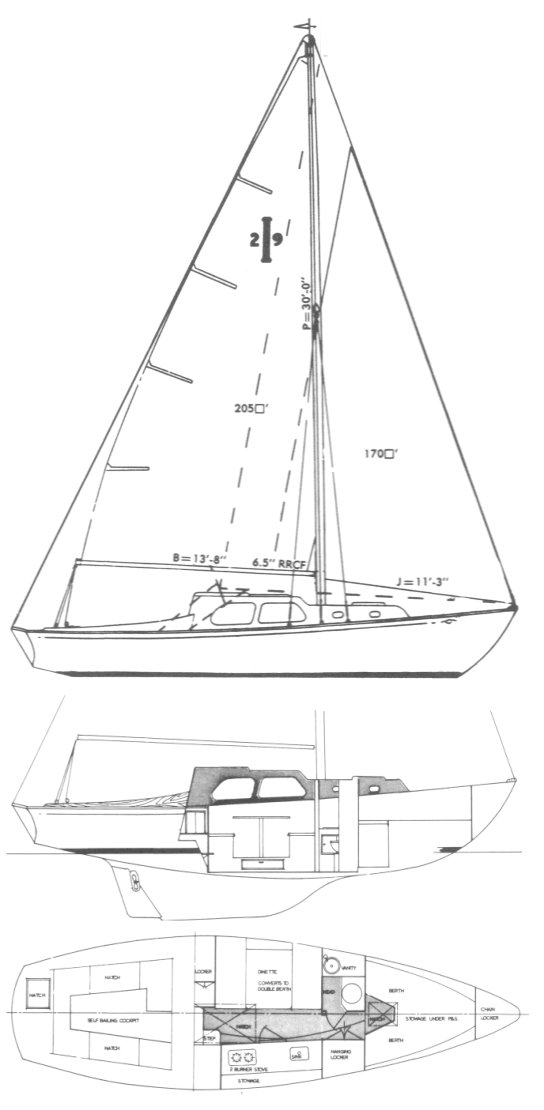
The Cal 30 is an early-1960s C. William Lapworth design built by Jensen Marine in Costa Mesa, California, and it is the odd one out among the traditionalists on Baldwin’s list: a Southern California boat with a 24’6” waterline on under 30 feet of hull and a full 10 feet of beam, dimensions that were fast numbers in 1962. Baldwin includes it with a warning attached to the name itself: do not confuse this boat with the later fin-keel, spade-rudder Cal 2-30.
History
Lapworth and Jensen Marine were about to change American sailing with the Cal 40; the Cal 30 shows the thinking on the way there. Jensen built it through the mid-1960s, when it morphed into the Cal 2-30, a different and more radical boat. Production numbers are reported inconsistently: sailboat.guide records 123 hulls, while a YachtWorld retrospective says roughly 200 were built between 1962 and 1966. Either way it is a well-over-a-hundred-boat class with a long owner track record.
Construction
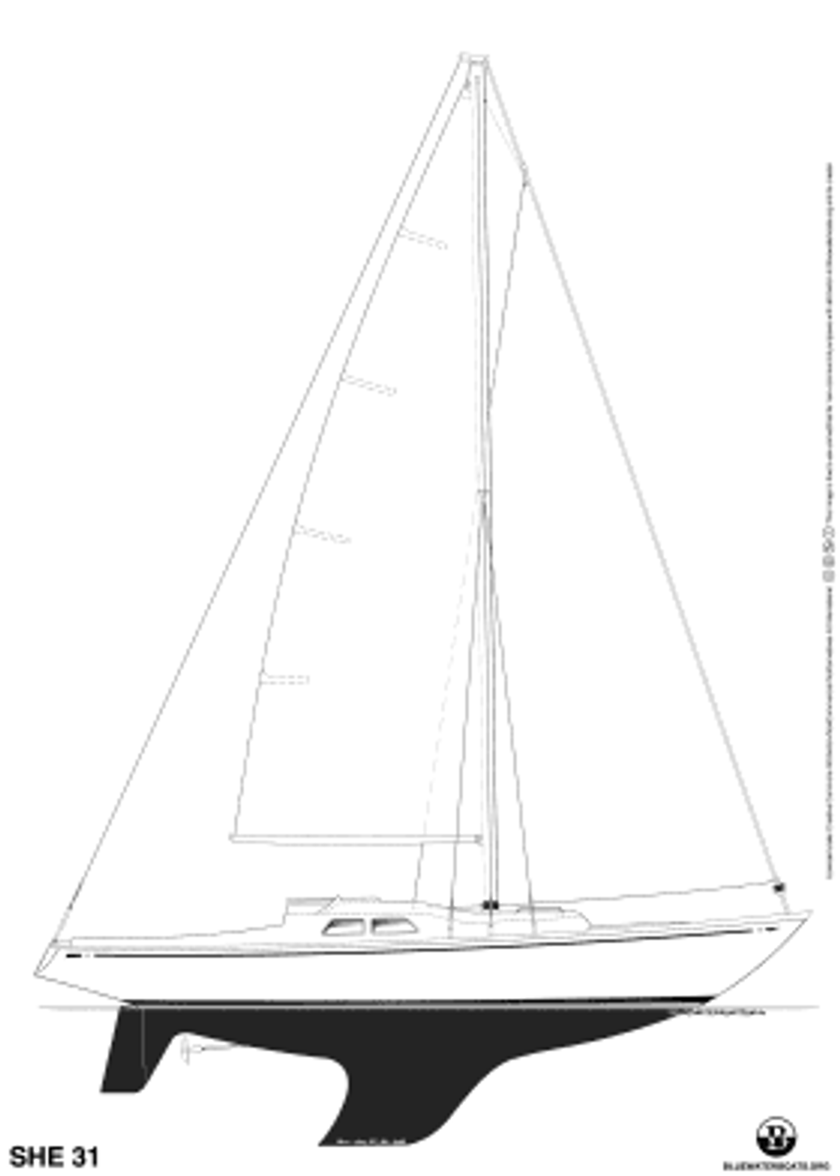
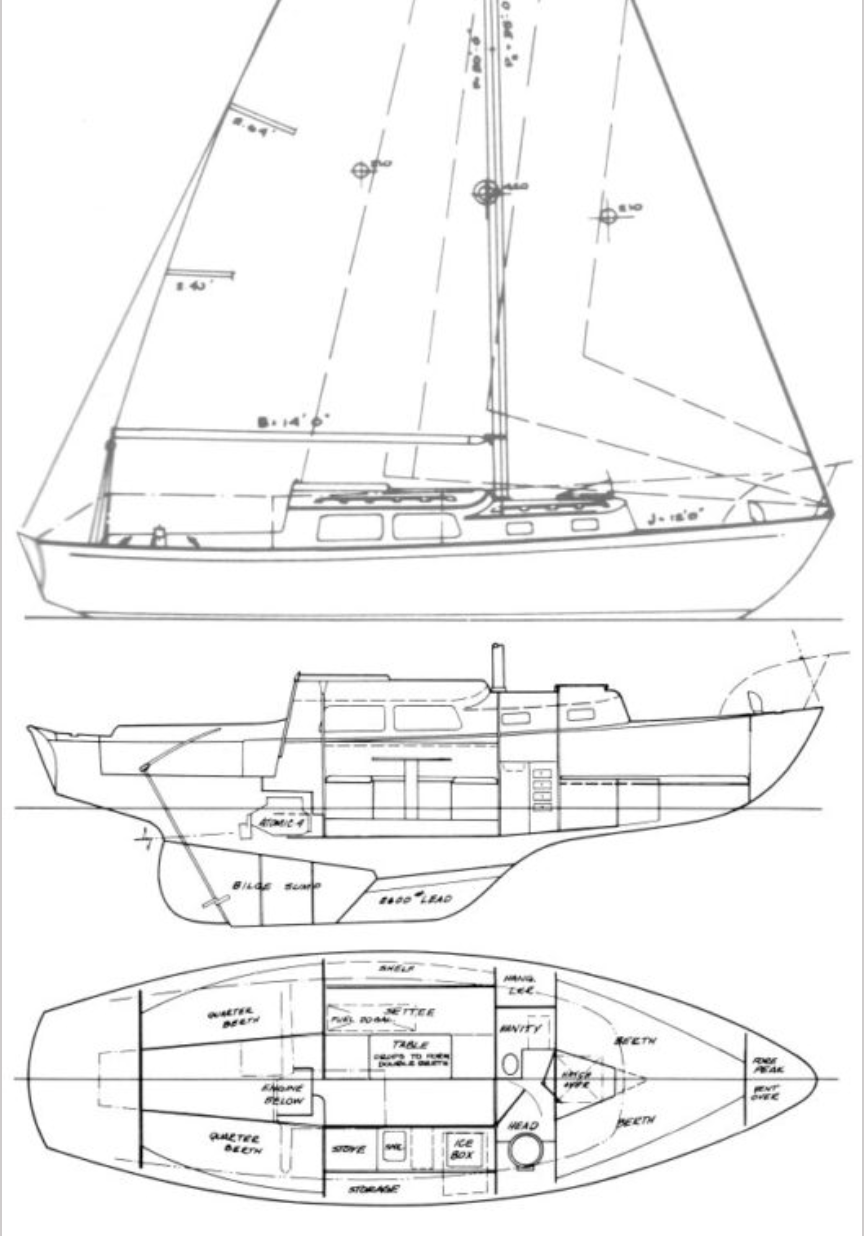
The hull is solid fiberglass of the heavy early-fiberglass school, displacing 9,600 lbs with 3,500 lbs of lead. The underbody is a fin keel with a separate spade rudder, per both sailboatdata.com’s structured classification and Good Old Boat’s own independent description (“a fixed fin keel, and a spade rudder”). Baldwin’s one recorded minus is below the cockpit sole: “Atomic 4 gas inboard was standard,” so a diesel repower is a significant plus on any surviving boat.
Under Sail
The long waterline is the point. Owners describe a well-balanced boat that motors at six knots and sails between six and seven, quick company among the sub-30-footers on this list, and the wide beam gives it more initial stiffness than the narrow Alberg-school boats it shares the list with. The capsize screening figure still comes in around 1.9, inside the offshore threshold, helped by the moderate displacement. The separate fin keel and spade rudder give crisper tacking than a full-keel contemporary while the moderate displacement keeps the motion settled.
Buyers Notes
The Cal 30 is a value play: it carries neither the Alberg cult premium nor the Cape Dory finish, and prices reflect it. The survey list is standard for 1960s glass: deck core around fittings, original chainplates, the gas Atomic 4 or the quality of its diesel replacement, and the rudder’s attachment hardware. Confirm which boat you are actually looking at; the 2-30 and 3-30 share the name and the marina rumor mill, and they are different designs with different underwater shapes. For a sailor who wants a proven old cruiser-racer that does not sail like a slow one, this is one of the list’s quiet bargains.