Overview
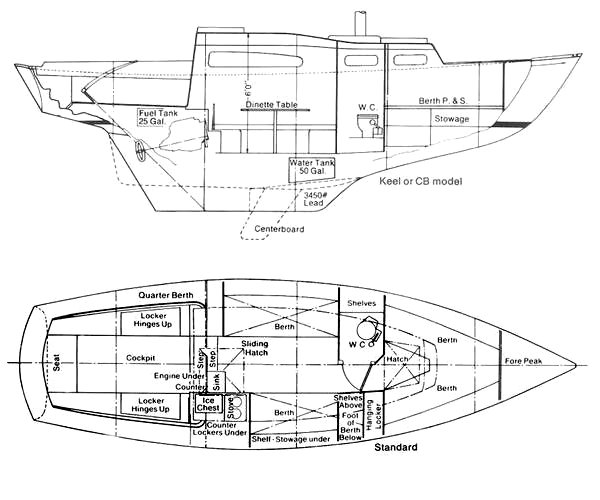
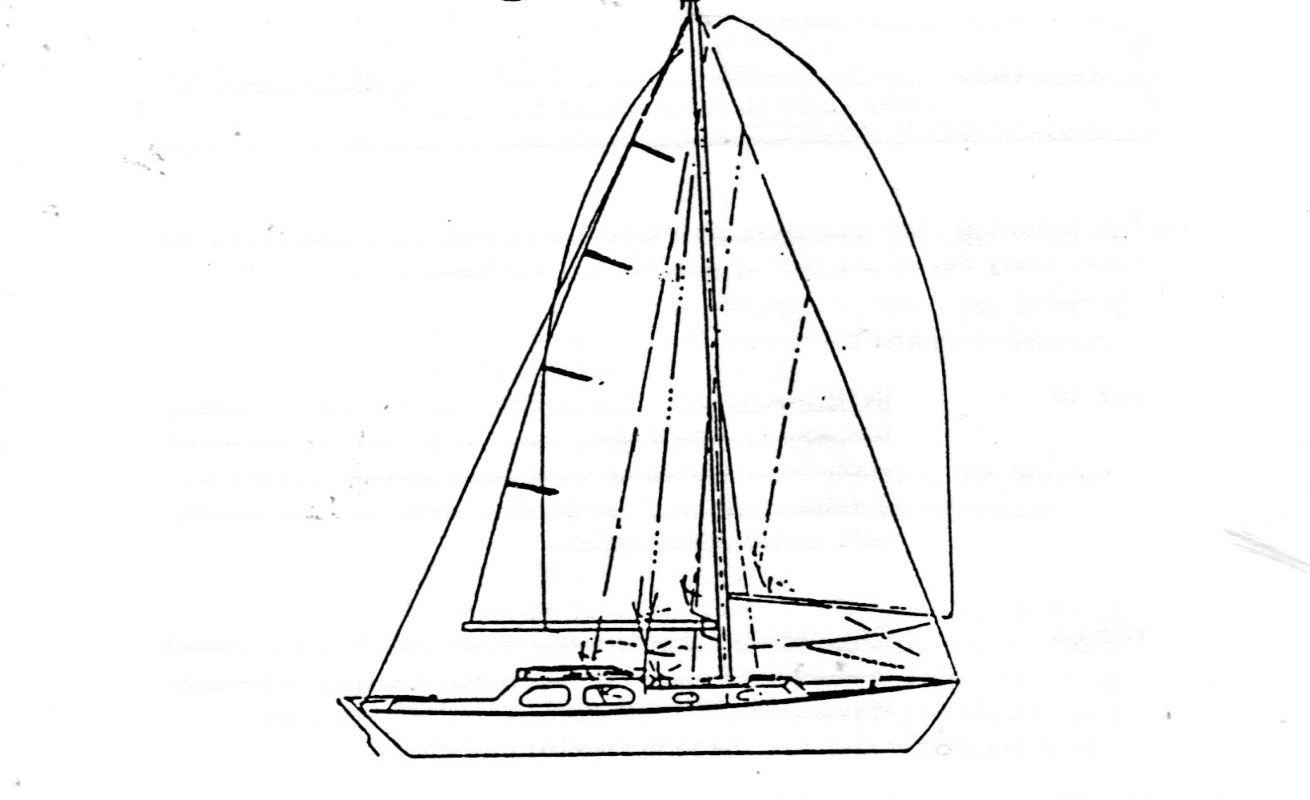
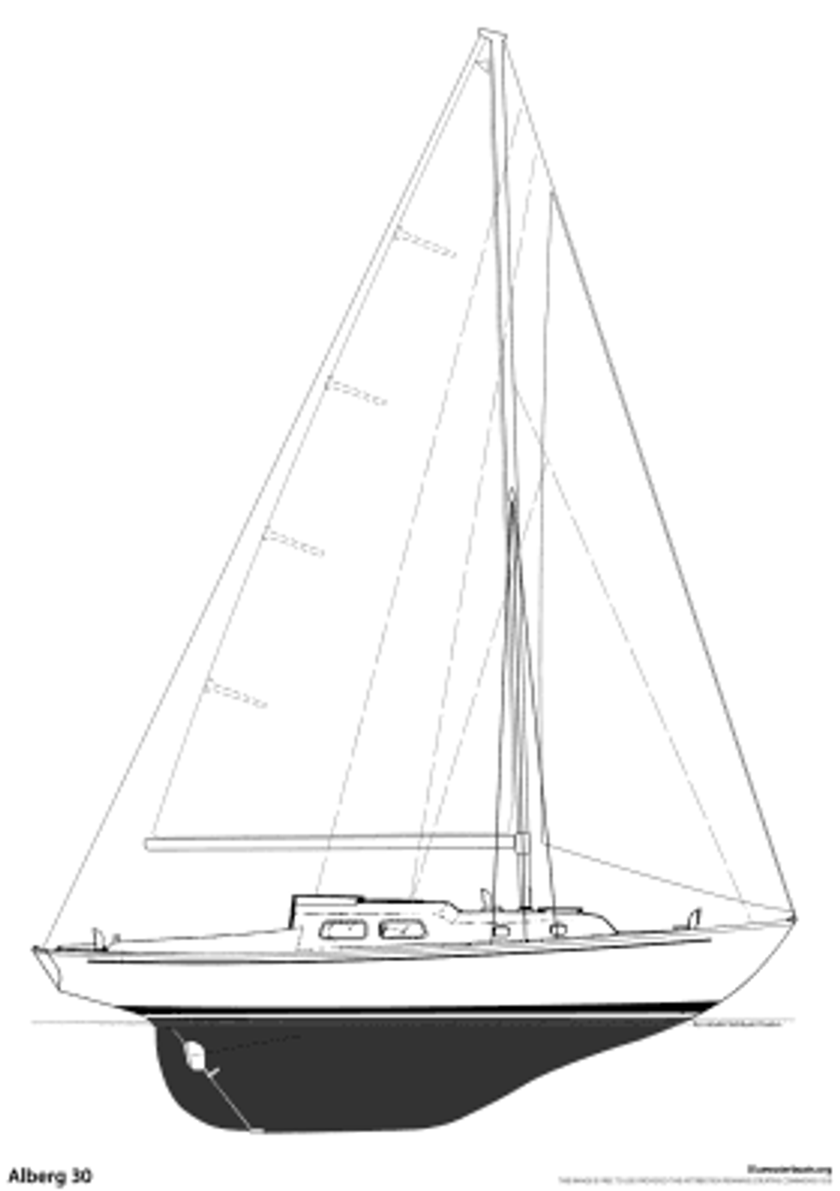
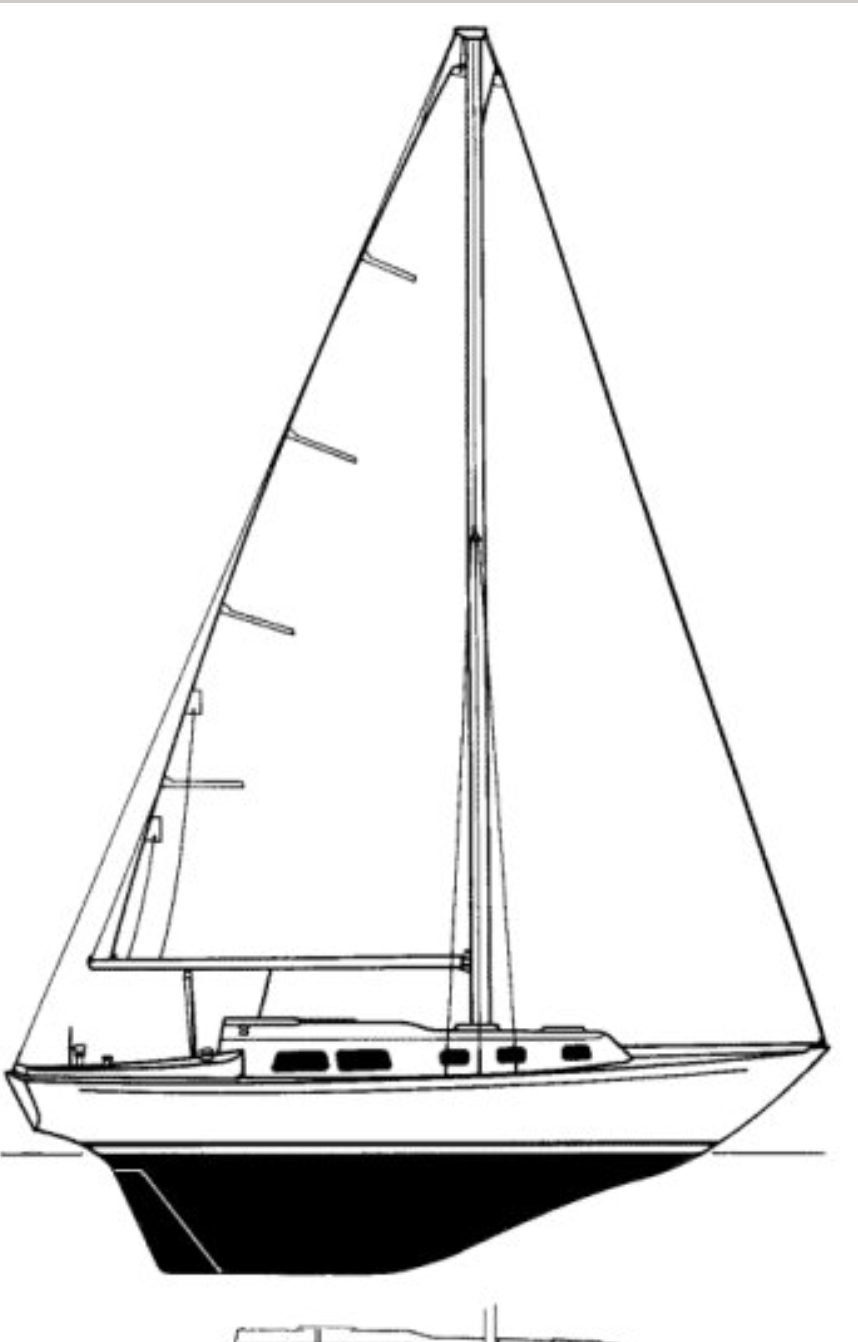
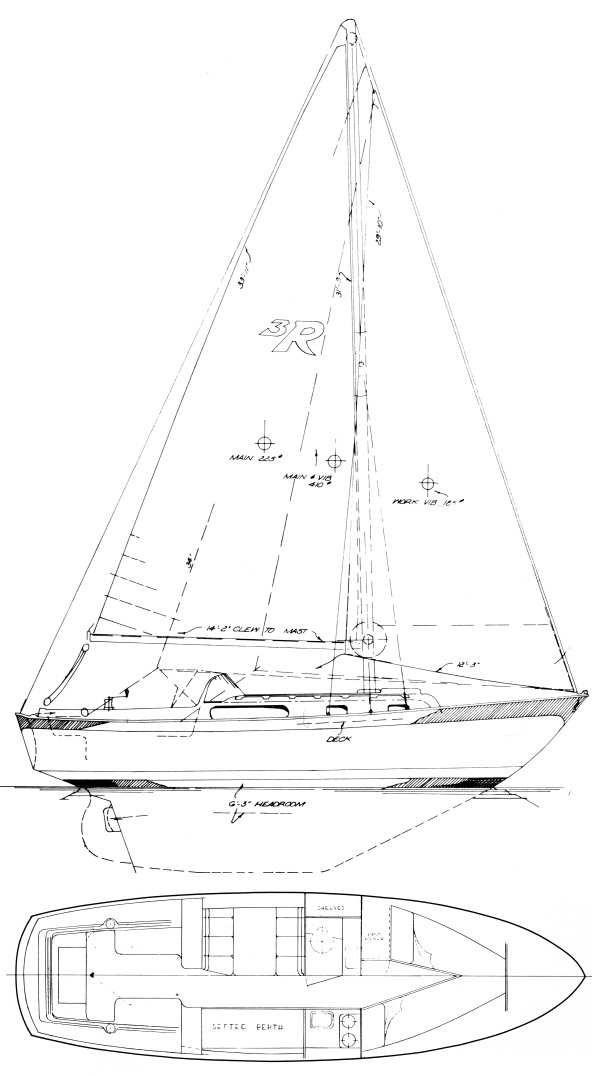
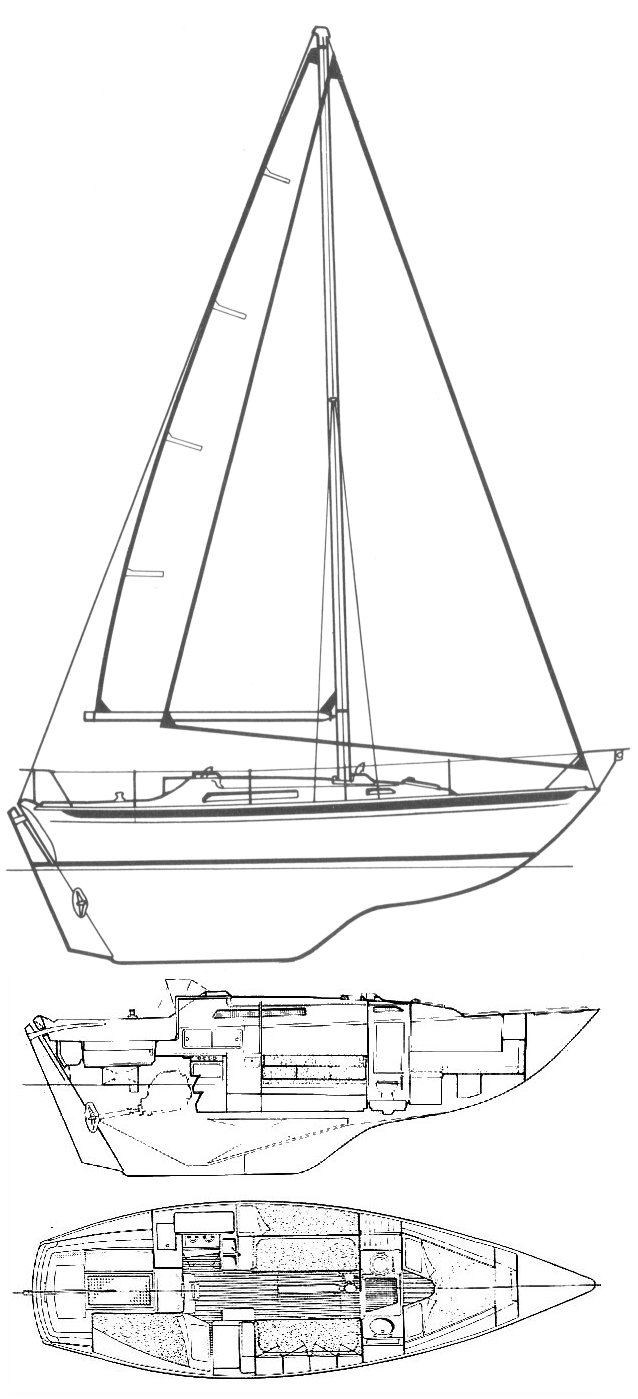
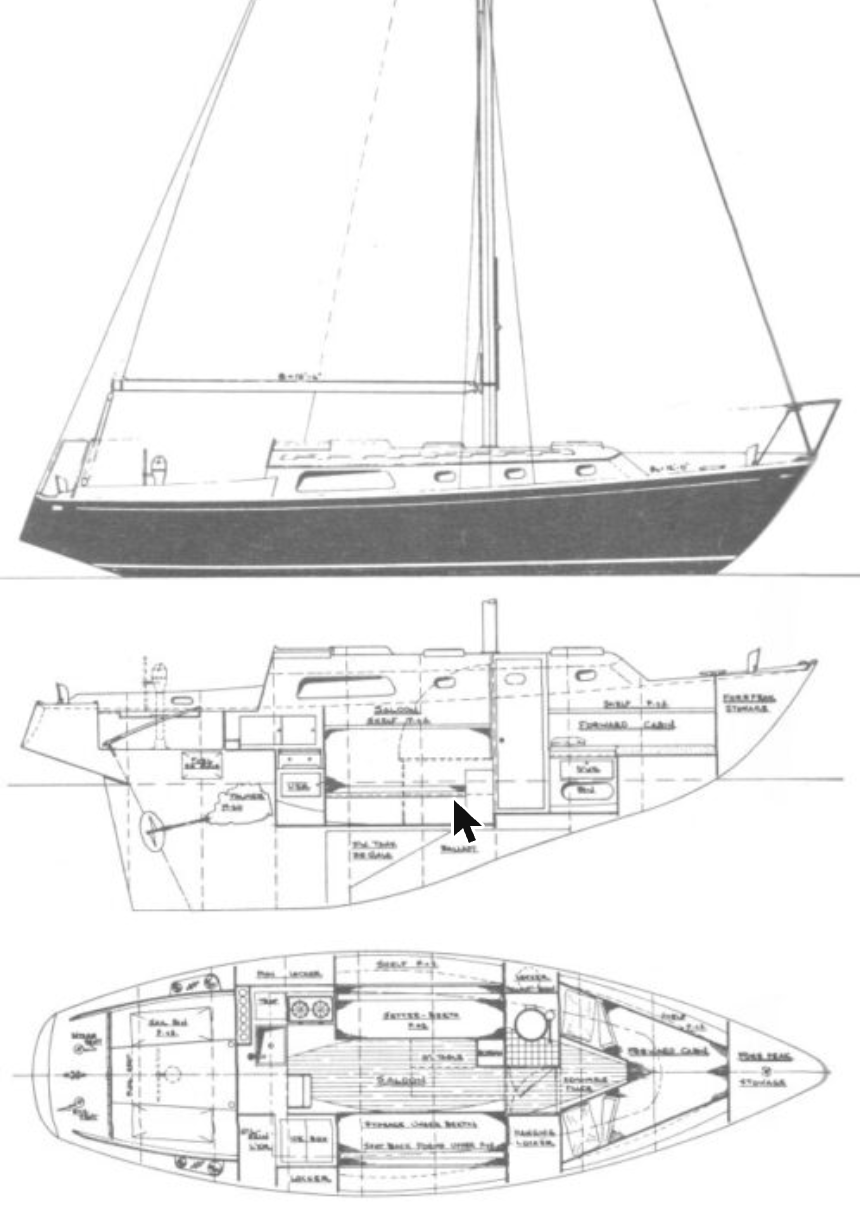
The Luders 30 is Cheoy Lee’s Hong Kong-built take on a Bill Luders design, a deeper, heavier boat than her contemporaries with a long keel drawing nearly five feet, well beyond most of the other 30-footers on Baldwin’s list. She was built as a masthead sloop, generally with wheel steering, though a minority of boats carry a tiller. The name causes confusion with the unrelated Luders 36, a bigger boat from the same designer built by the same yard, so it is worth double-checking which model a listing actually describes before assuming the numbers apply.
History
Archived Sailboatdata gives a 1969–1978 production range for the Luders 30. The Cheoy Lee Association does not confirm those years; its editor asks readers to supply the missing production dates. The range therefore remains a single-database claim. Sailboatdata and the association identify the designer as Alfred E. Luders Jr., also known as Bill Luders, and the builder as Cheoy Lee in Hong Kong.
Construction
The association’s brochure-derived construction panel describes a molded fiberglass hull, deck, and cabin trunk built to Lloyd’s 100A specifications, with teak trim and a laid teak deck. Sailboatdata, the brochure specifications, and Baldwin agree on 3,750 lb of ballast and 9,900 lb displacement, which yields the listed 37.9 percent ballast ratio. The cited material does not establish a solid hand-laid laminate schedule.
Under Sail
The cited specifications describe a masthead sloop with a 22 ft waterline, 4.75 ft draft, and a long keel. Baldwin says most boats had wheel steering, though some had a tiller. The source set reviewed for Pilot 01 does not include a model-specific sailing trial.
Buyers Notes
Baldwin writes: “Bill Luders design built in Hong Kong. Apparently most came with wheel steering though some have a tiller.” He also warns: “The trademark Cheoy Lee exterior teak needs constant maintenance or even major repairs by now if the previous owner has neglected her.” Inspect the exterior teak and confirm the steering arrangement on the individual boat.