Overview
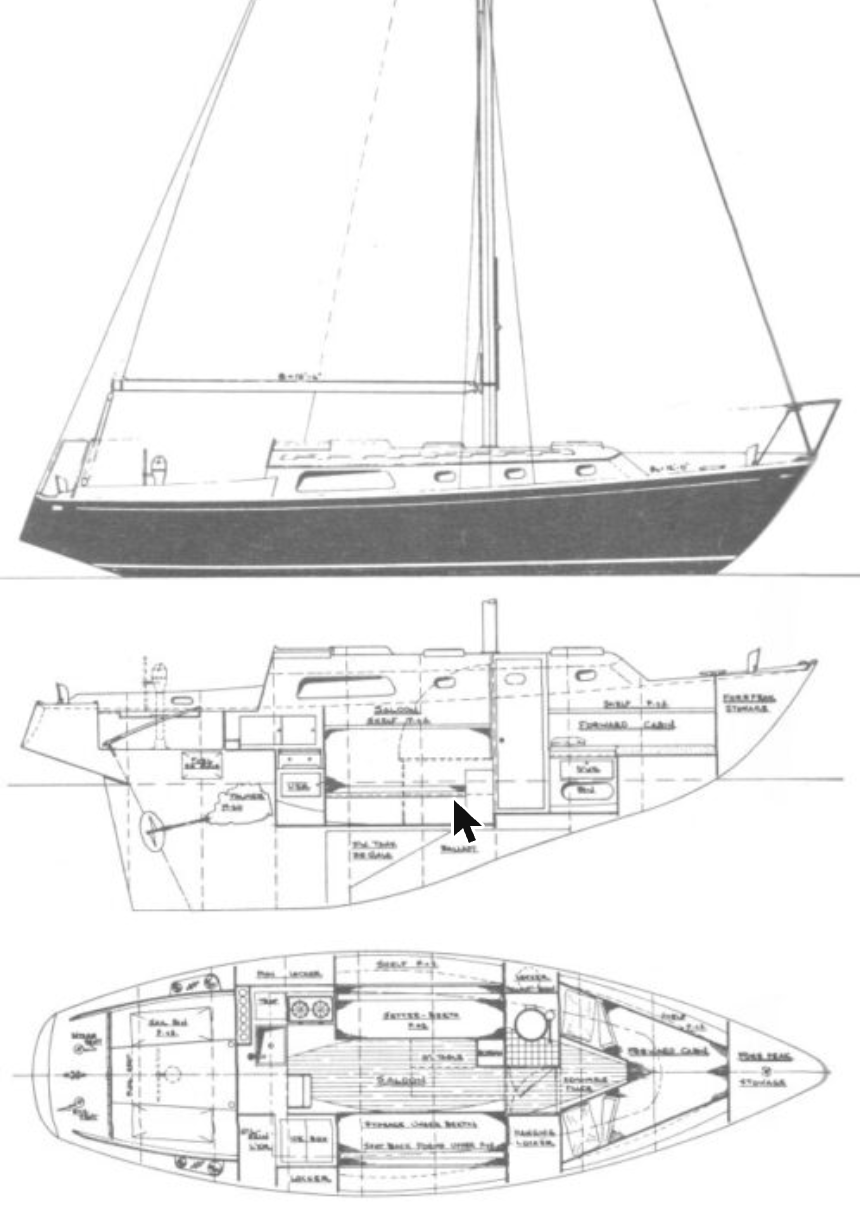
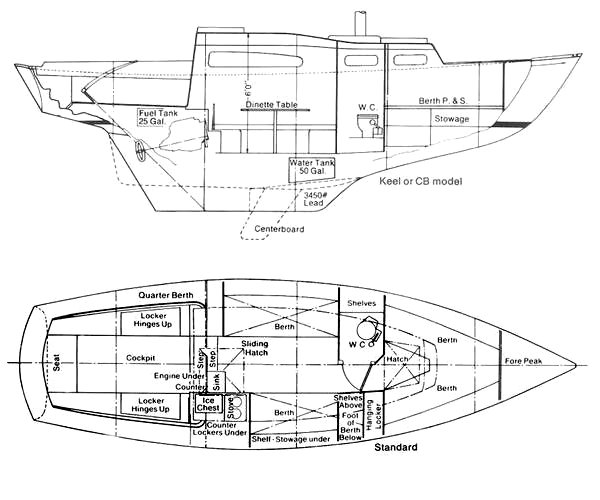
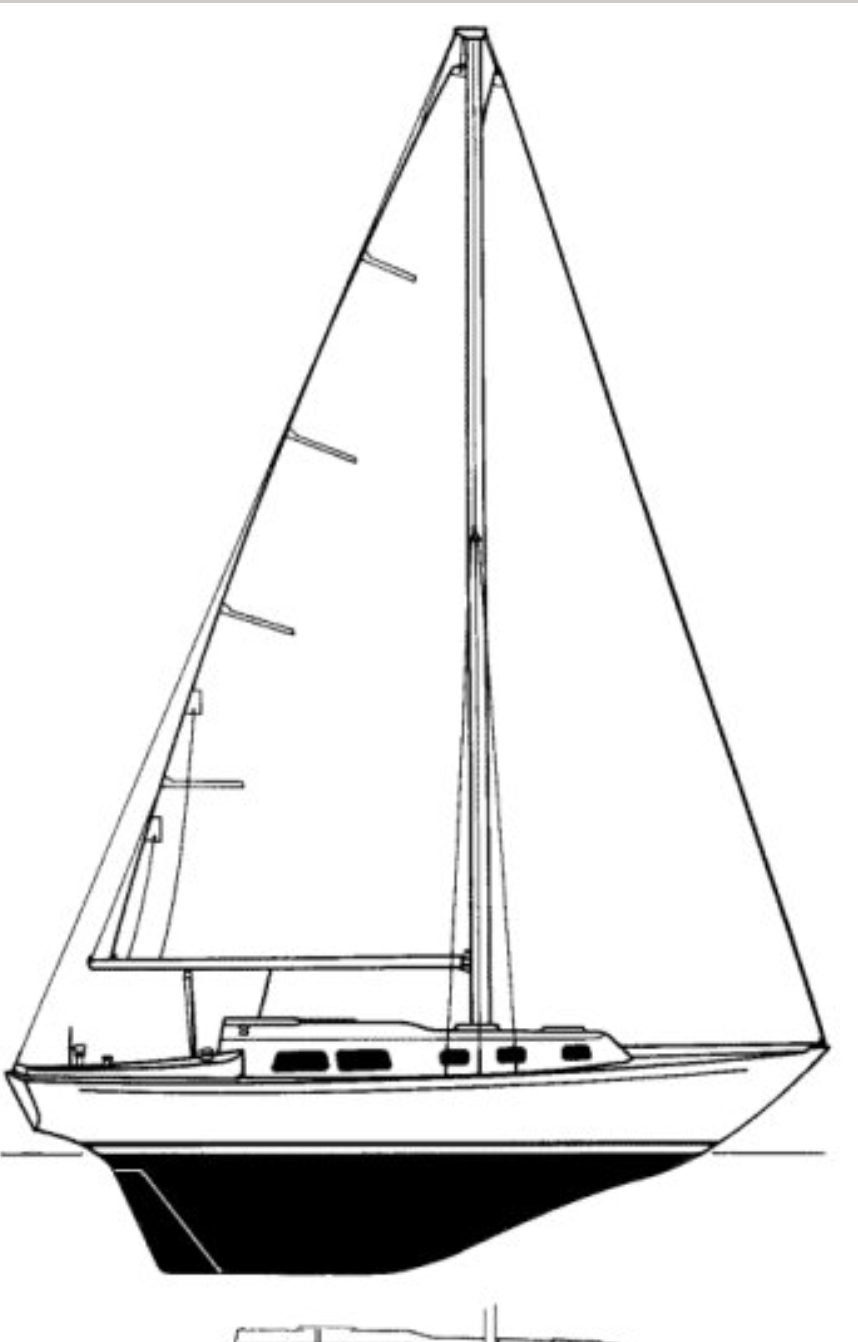
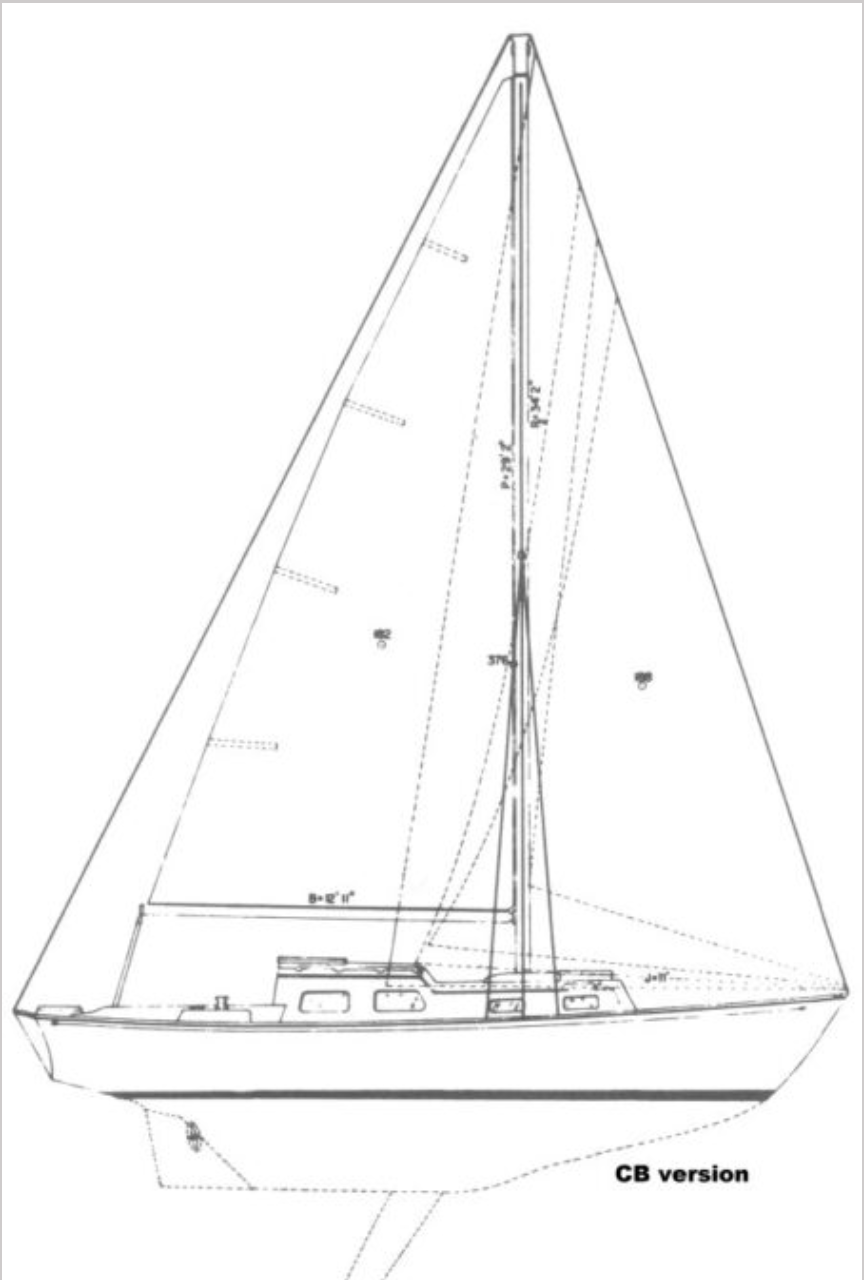
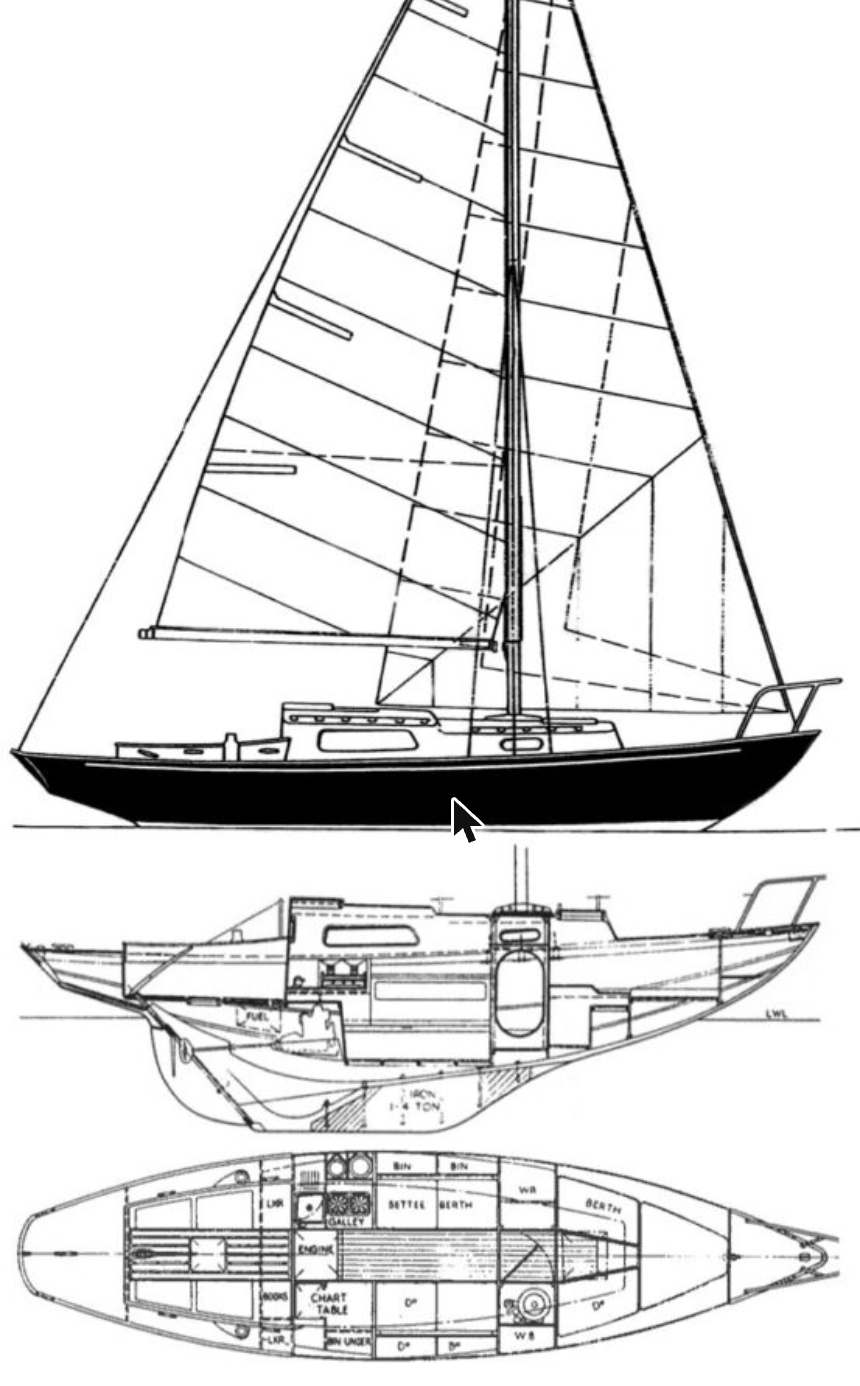
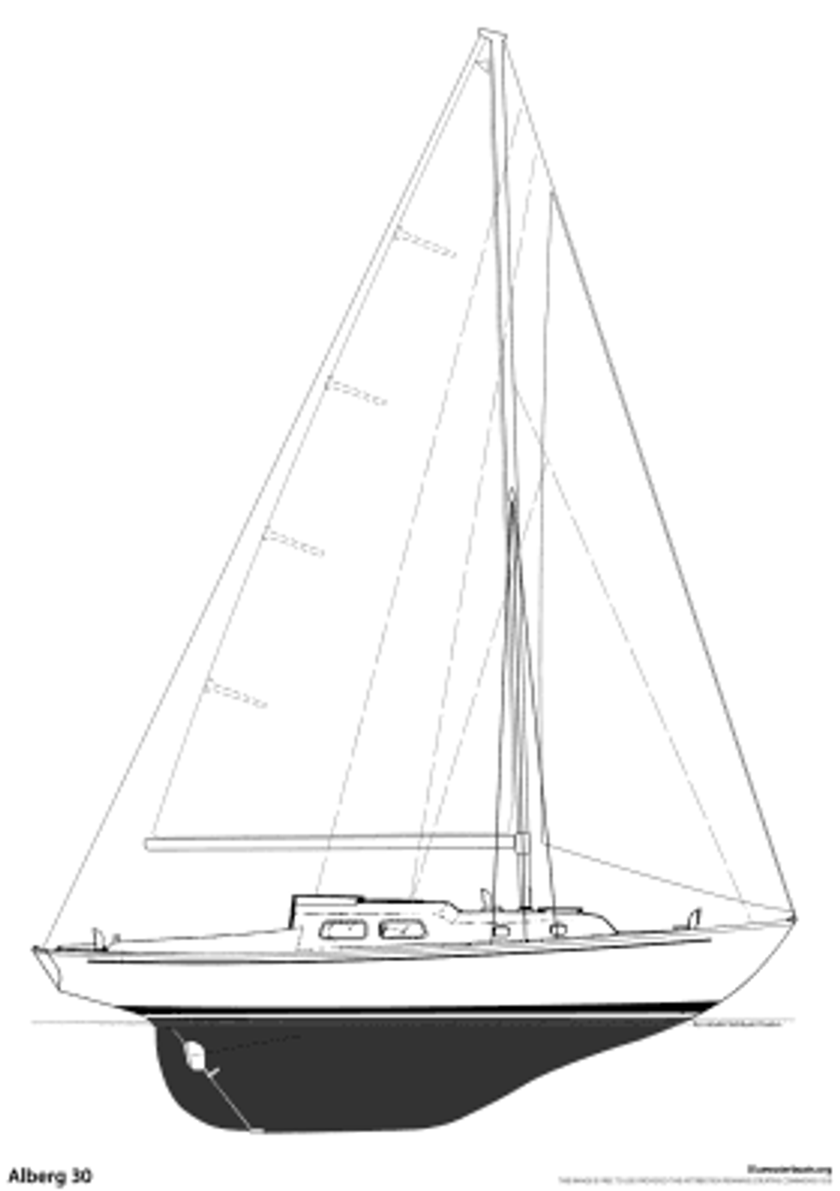
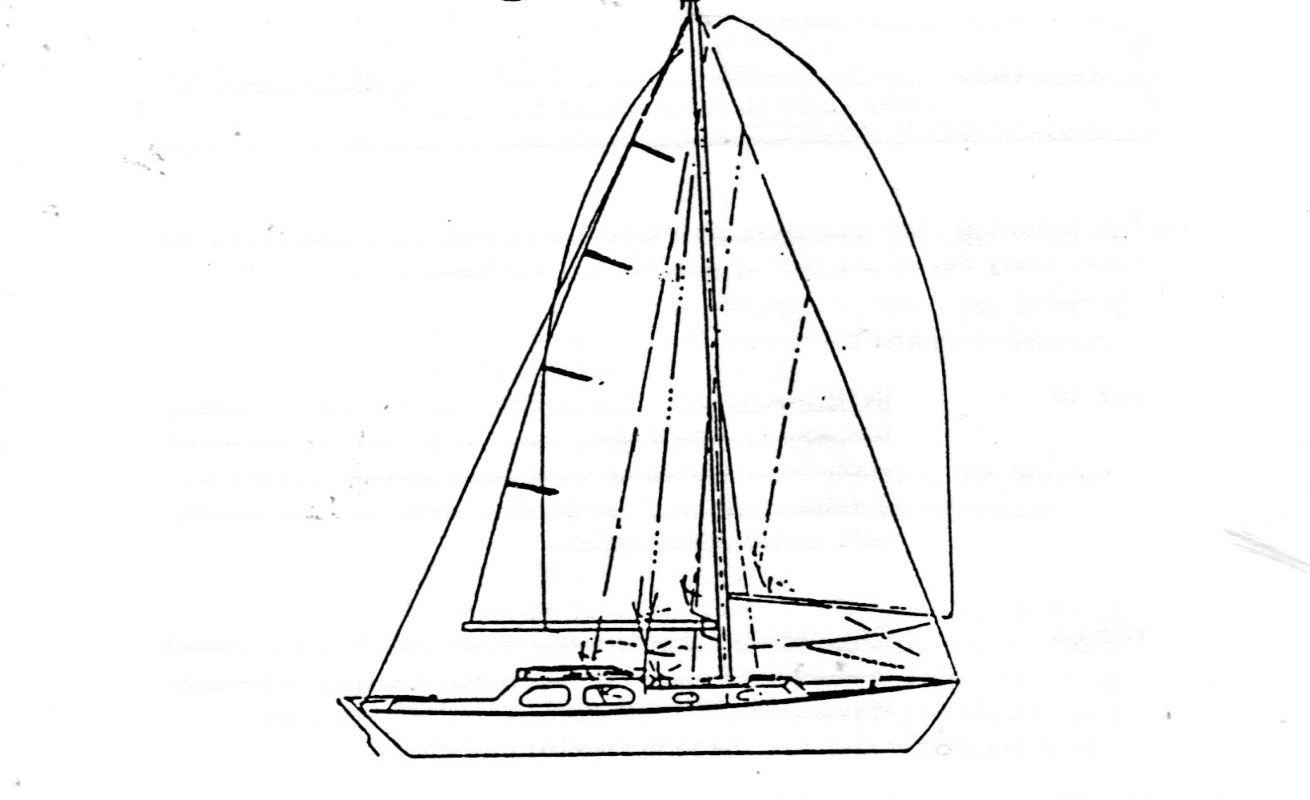
This entry covers the fiberglass sloop-rigged Herreshoff H-28 built in New Zealand by Compass Yachts, a boat substantially reworked from L. Francis Herreshoff’s original 1942 design rather than a straight fiberglass copy of it. The original H-28 was a low, heavy, gaff- or Bermudan-rigged ketch meant for amateur builders working in wood; the Compass Yachts version kept the full keel and keel-hung rudder but changed the rig, the freeboard, and the cabin profile enough that its dimensions differ noticeably from the original design’s published specs.
History
Herreshoff drew the H-28 in December 1942, and The Rudder magazine ran it through 1943 and into 1944 as a build-it-yourself project aimed at giving postwar amateur sailors an affordable, seaworthy cruiser free of racing-rule compromises. Builders in wood took it up worldwide over the following decades, and fiberglass production eventually followed at several yards, including Cheoy Lee in Hong Kong. Compass Yachts of Auckland, New Zealand began building a fiberglass version around 1970, modified by John Lidgard with a lifted sheer, a longer cabin trunk with a raised doghouse, and a lowered keel to compensate for the added headroom, plus a change from the original ketch rig to a masthead sloop. Production ran until the company closed in the mid-1980s. Sources disagree on how many were built, with figures ranging from roughly 100 to as many as 247 hulls; the boat became popular enough in New Zealand to earn the nickname “the Volkswagen of New Zealand yachting” for its affordability and toughness.
Construction
The fiberglass hull is hand-laid over the same long, full-keel profile as the original wood design, with a keel-hung rudder. Ballast of 3,968 lbs against a 7,275 lb displacement gives a ballast ratio above 54 percent, unusually high and a marked departure from the original wood design’s roughly 27 percent, consistent with a hull reworked for different proportions rather than simply reproduced in a new material.
Under Sail
James Baldwin noted that the fiberglass version differs from Herreshoff’s original in having “a lifted sheer, longer cabin trunk with raised dog house with lowered keel to compensate for increased headroom.” A heavy, full-keeled, moderate-displacement hull like this one is not built for speed; it is built to move steadily and predictably through a seaway, tracking straight and shrugging off the kind of chop that unsettles lighter, beamier boats. The masthead sloop rig on the Compass-built boats is simpler to handle short-handed than the original ketch rig, at the cost of the ketch’s option to balance the boat under mizzen and headsail alone in a blow.
Buyers Notes
Baldwin recorded no specific pluses or minuses for this boat beyond the design-history note above, so there is no first-hand owner complaint on record to flag. Given the wide range of builders and rig configurations this design was produced under, from Herreshoff’s original wood ketch to Compass Yachts’ modified fiberglass sloop, a buyer’s first task is establishing exactly which variant a given hull is: original wood versus fiberglass, ketch versus sloop, and which yard built it. Beyond that, survey priorities are standard for a fiberglass full-keeler of this age: keel bolts, deck coring, and the condition of whatever rig currently sits on the boat versus what was originally fitted.