circumnavigation-provenfull-keelencapsulated-keel

Alberg 30

Whitby Boat Works · 1962–1987 · Sloop rig

Alberg 30
Alberg 30
LOA30.25'
Beam8.75'
Draft4.25'
Displ.4.5t
Rigsloop
Hullfiberglass

Bluewater Evidence · Ocean Proven

85% confidence

Yves Gelinas sailed a solo circumnavigation aboard the Alberg 30 Jean du Sud, documented in his award-winning film. John Vigor's Twenty Small Sailboats to Take You Anywhere credits the design with many circumnavigations.

Overview

“A legend in it’s own time”, that’s the description John Vigor made about the Alberg 30 in his book Twenty Small Sailboats to Take You Anywhere. And indeed the Alberg 30 has garnered a huge following with an active community of owners in North America. It’s an unmistakably traditional boat with long overhangs, a narrow beam, and a full cutaway keel-attached rudder, a design harkening back to the early 60s that’s forgiving to sail and seaworthy enough to cross oceans. This 30-footer has many circumnavigations to its credit, perhaps the most notable being that of Yves Gelinas, who made an award winning film of his circumnavigation in Jean du Sud.

History

The Alberg 30 story began, when in 1961, a bunch of Scandinavian style folkboat owners from Toronto’s National Yacht Club got together and approached Whitby Boat Works to design and build them a boat that was bigger. For the design, Whitby Boat Works in turn approached Carl Alberg (1900 - 1986), at that time one of America’s leading yacht designers.

The brief that was given to Alberg was for a boat built from fiberglass that would sleep four. The configuration had to have a full keel, a practical cockpit, and an interior that had full standing headroom interior and a decent galley. The boat that resulted was the Alberg 30 which was introduced in the following year of 1962.

While the boats were being built a group of sailors from Washington DC inspected the Alberg 30 at Whitby Boat Works and left with firm orders for 15. Another group from Annapolis left with orders for 12, the production run continued into what has become a one of the longest runs on record tallying over 750 boats through a 22 year period. Today Alberg 30s can be found scattered over all parts of the world, but mainly concentrating around North America and particularly in Chesapeake Bay where a vibrant owners association has approximately 250 members.

Layout and Configuration

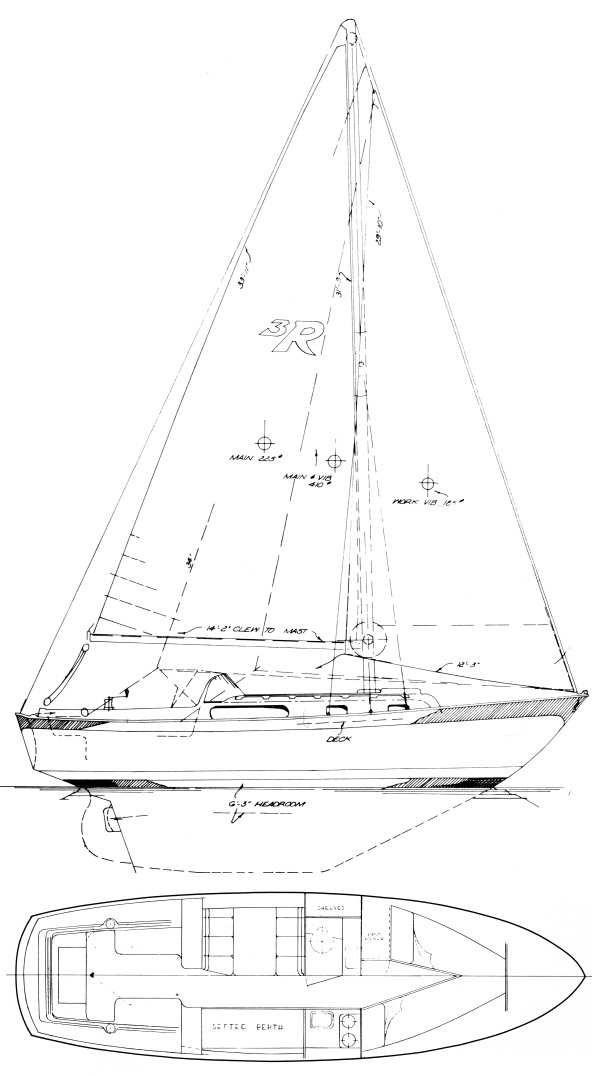
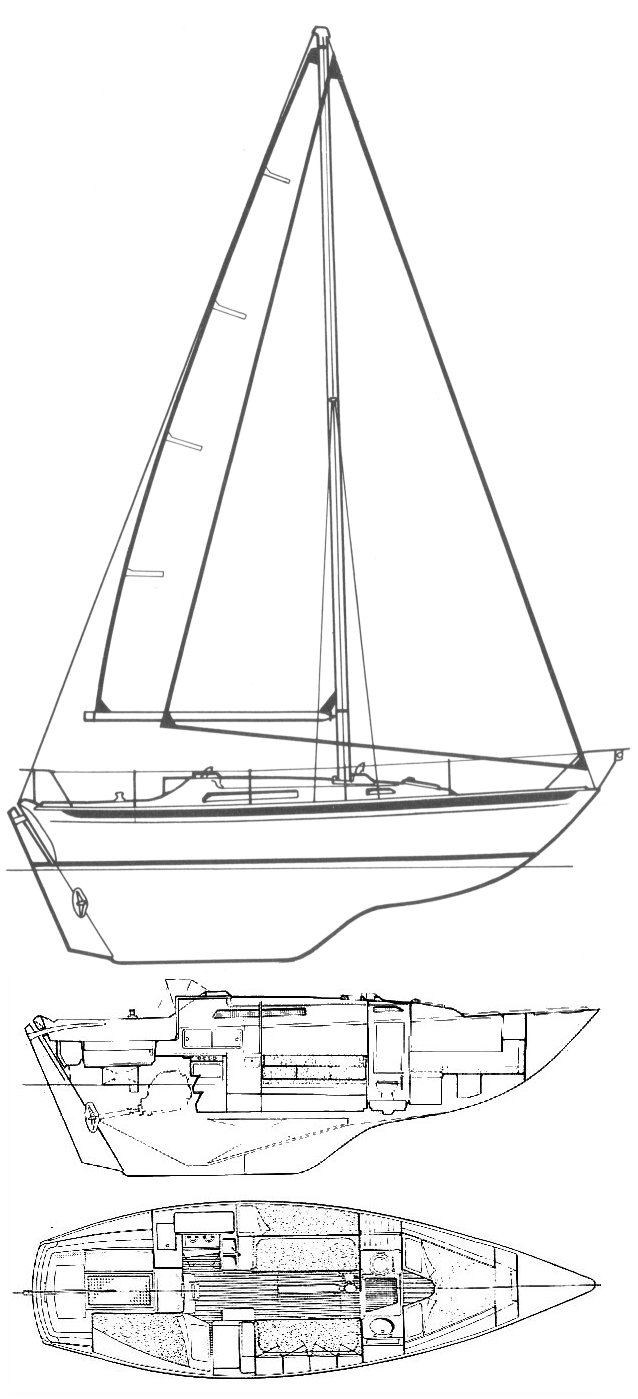
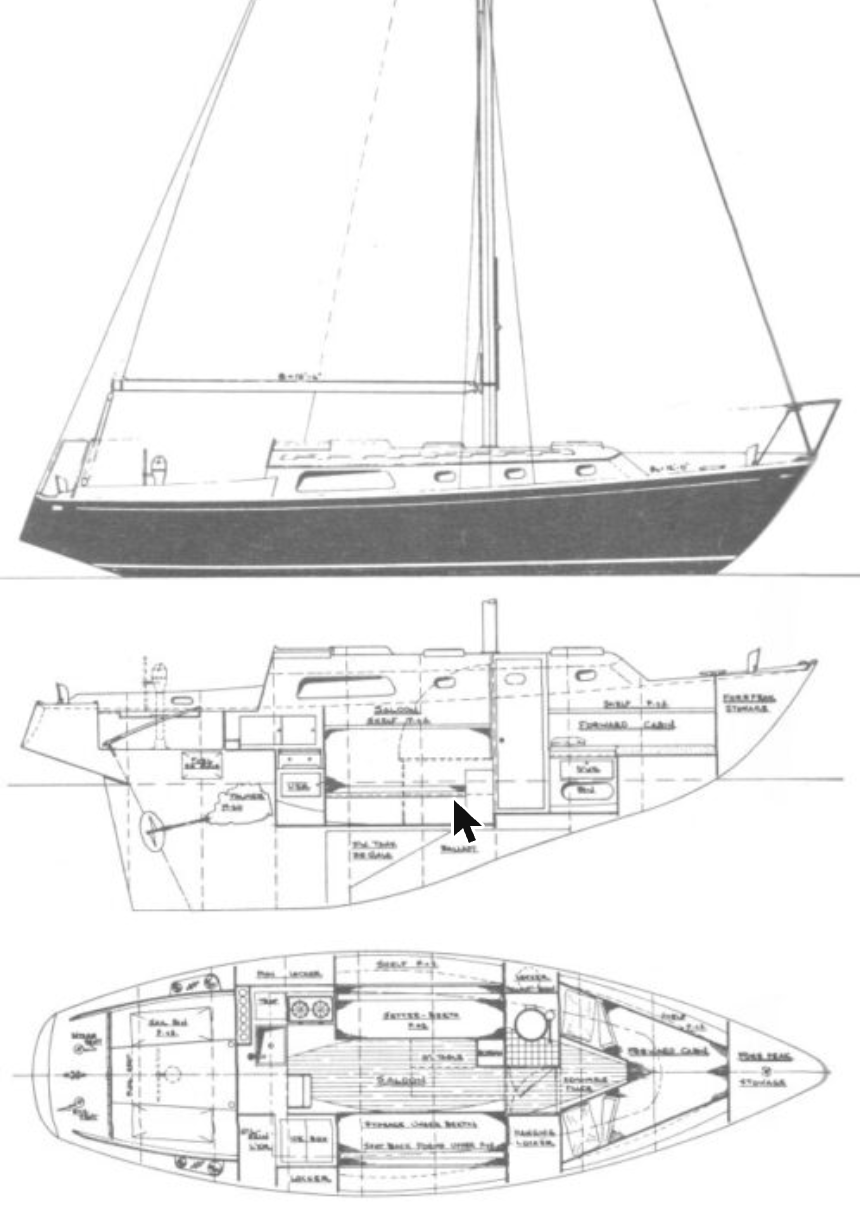
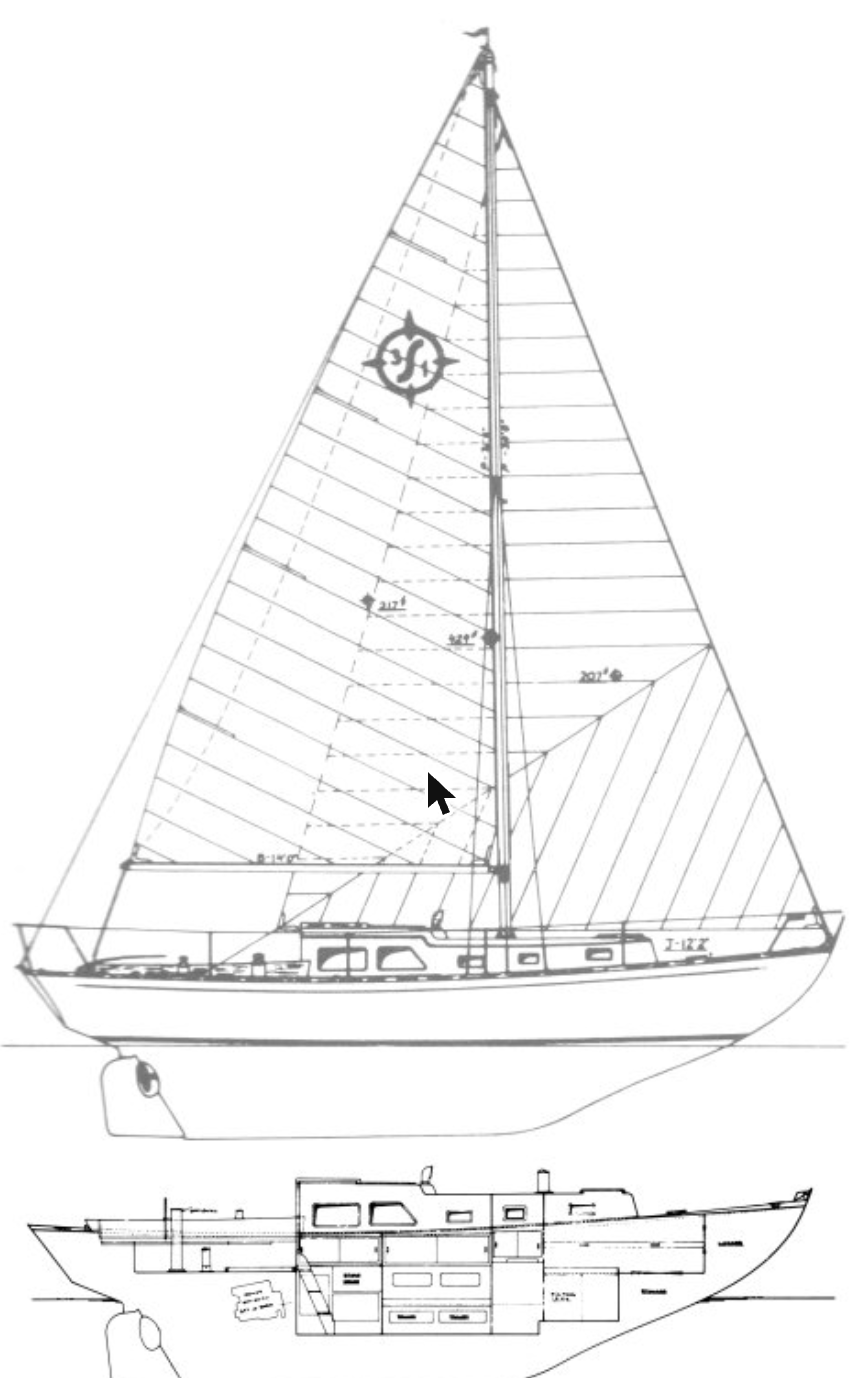
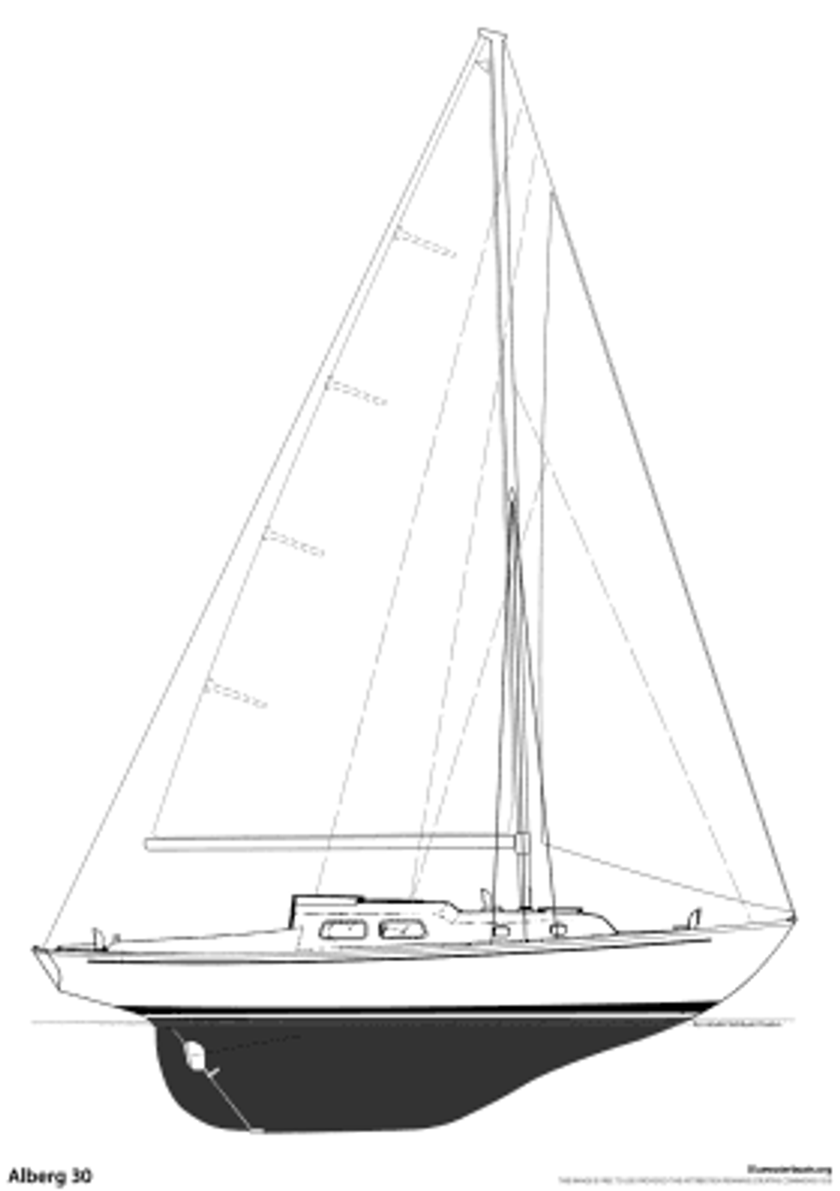
The Alberg 30 is classic design from the 1960s period when many boats were transitioning from wood to fiberglass construction. Narrow beam, low freeboard, large overhangs, and a full keel with a cutaway on the forefoot and a rudder directly attached were the order of the day. When looking at the history of how the boat came to be, it’s not surprising the design is heavily influenced by the Scandinavian folkboat style, Carl Alberg himself being a Swedish born American.

By modern standards the boat’s narrow beam and low freeboard means the insides will seem extremely small and cramped however this traditional approach to seaworthiness pays dividends in rough seas with a hull that is ultimately stable and seakindly.

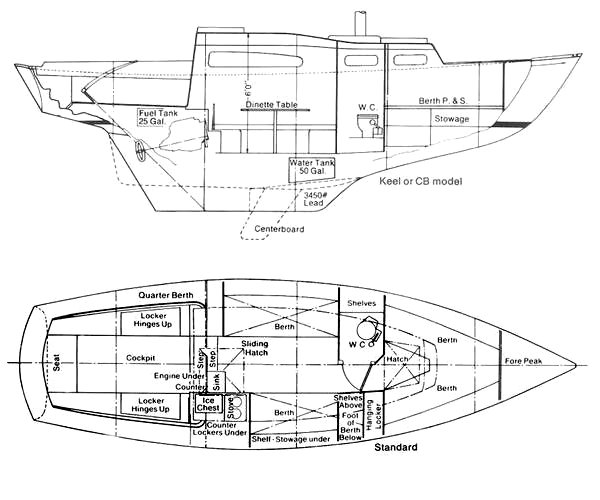
Berths accommodating a crew of four are divided into two areas, two in the v-berth, and two in the main saloon area. In between is the head.

The galley is situated in the well vented space at the back of the saloon below the companionway where the cook can be a part of the social happenings outside in the cockpit when under anchor.

Construction

The boats are solidly built. It was a time when fiberglass was the new wonder material and pioneering a new material meant construction was pretty conservative. That translated into lots of glass fiber and lots of resin. The fiberglass was hand laid and polyester resin was used. Early decks were cored with Masonite, which gave way in favor of balsa after 1970.

The mast is deck-stepped and supported originally by a laminated wooden beam on early boats, which over the years have proven to be a weak point. Boats produced from 1970 changed over to an aluminum beam encased with fiberglass. It’s not uncommon to find early boats to have been retrofitted with aluminum supporting beam.

Though the original design by Alberg called for lead ballast, the boats were instead produced with iron ballast encapsulated inside the keel cavity. This resulted in early boats being quite tender and more ballast was added to subsequent production to correct for this.

Under Sail

The Alberg 30 has been described as a forgiving boat to sail. In its day it would have been considered a relatively quick boat, being designed to be raced under the Cruising Club of America racing rules, but don’t expect modern day performance. The boat will not point particularly high to windward, the best point of sail is reported to be a beam reach to close reach. Expect some amount of hobby-horsing.

As conditions get rougher, the Alberg 30’s seaworthiness starts to shine, with its narrow beam the boat tends to slice through the waves where modern designs which favor beaminess and high freeboard will get thrown around. In more extreme conditions, the classically seaworthy design is well suited for heaving-to or laying ahull without complications.

Buyers Notes

Advice can be sought from the active community of owner associations. Particular areas for inspection are listed below:

Check the support under the deck-stepped mast for signs of delamination. Pre-1970 models were of laminated wood, check for signs of cracking.

Its been reported the forward lower shroud chainplates are not well supported and should be inspected closely for signs of movement or stress.

Check the deck for delamination as well as signs of rot in the coring (creaking sounds).

On older boats, the heel fitting on the rudder may be worn.

The rudders on the earliest boats were reported not to be strong enough with the internal reinforcing parting from the fiberglass.

» Sailing Magazine, Apr 2002, Used Boat Notebook» BoatUS, Alberg 30 review by Jack Horner» The Alberg 30 Association, Information, reviews, photos and more» Twenty Small Sailboats to Take You Anywhere by John Vigor, (Ch1, p1-6) an in depth look at the Alberg 30. ISBN:978-0939837328

Recommended In

As an Amazon Associate, PassageBoats earns from qualifying purchases.

What sailing channels say about the Alberg 30, quoted from video transcripts with a link to the exact moment. Opinions belong to the speakers; the written review above stays independent of them.

recommends

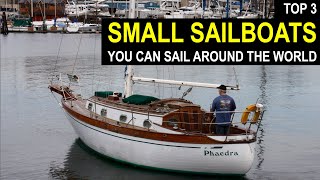
"The small oceangoer, the Alberg 30... designed by Carl Alberg back in 1962. The Alberg 30 evokes the golden age of sailboat design and remains a standout choice - you can pick one up for [around twenty] grand."

Lady K Sailing

TOP 3 Small Sailboats You Can Sail AROUND THE WORLD! Ep 331

▶ watch at 5:33
discusses

Full cost breakdown of keeping a 1965 hull ocean-ready: "We're going to first go over what I spent on my mid-circumnavigation refit, which was really extensive. I end up spending $46,000 to refit a 61-year-old 30-foot yacht."

Sailing Triteia

WHY WOULD SOMEONE DO A $46,000 REFIT ON A 61 YEAR OLD 30FT BOAT???????

▶ watch at 0:52
repairs⚙ rudder

The original 1965 wooden rudder, damaged on the way to Hawaii in 2021, finally gets replaced: "I had to build a whole new rudder. I didn't feel safe taking the old wooden rudder across the Indian Ocean." The build (fiberglass layup over stainless parts) is documented across several videos on the channel.

Sailing Triteia

WHY WOULD SOMEONE DO A $46,000 REFIT ON A 61 YEAR OLD 30FT BOAT???????

▶ watch at 19:50
repairs⚙ engine

Repower after the old diesel lost compression: "We found a Beta Marine Beta 20 engine in Australia, which we had shipped in. Buying the engine and the different parts that needed to go with it and shipping ended up costing $16,000 alone... new fuel tank, all new hoses, all new exhaust system."

Sailing Triteia

WHY WOULD SOMEONE DO A $46,000 REFIT ON A 61 YEAR OLD 30FT BOAT???????

▶ watch at 23:32
repairs⚙ standing rigging

"In 2021 I replaced all the standing rigging on Triteia, plus all Sta-Lok fittings and the swage for the top of the roller furler. All of that cost me $1,200. But I did the work myself... which will last me 10 years."

Sailing Triteia

WHY WOULD SOMEONE DO A $46,000 REFIT ON A 61 YEAR OLD 30FT BOAT???????

▶ watch at 48:52
See something wrong? Suggest a correction

Corrections need evidence: a link or citation we can check. Sourced suggestions get reviewed and credited in the entry's change notes if applied.

Owner knowledge counts: name the boat and year so we can attribute it.