Overview
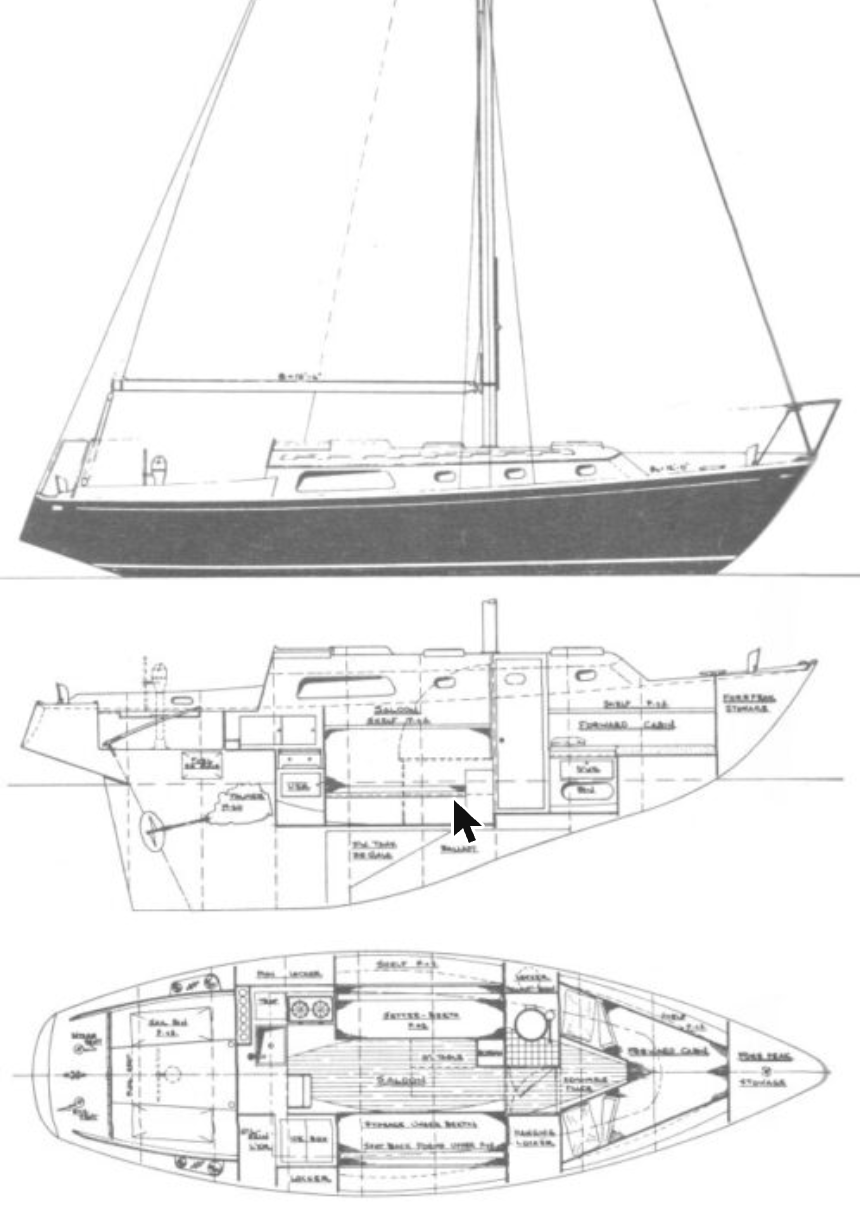
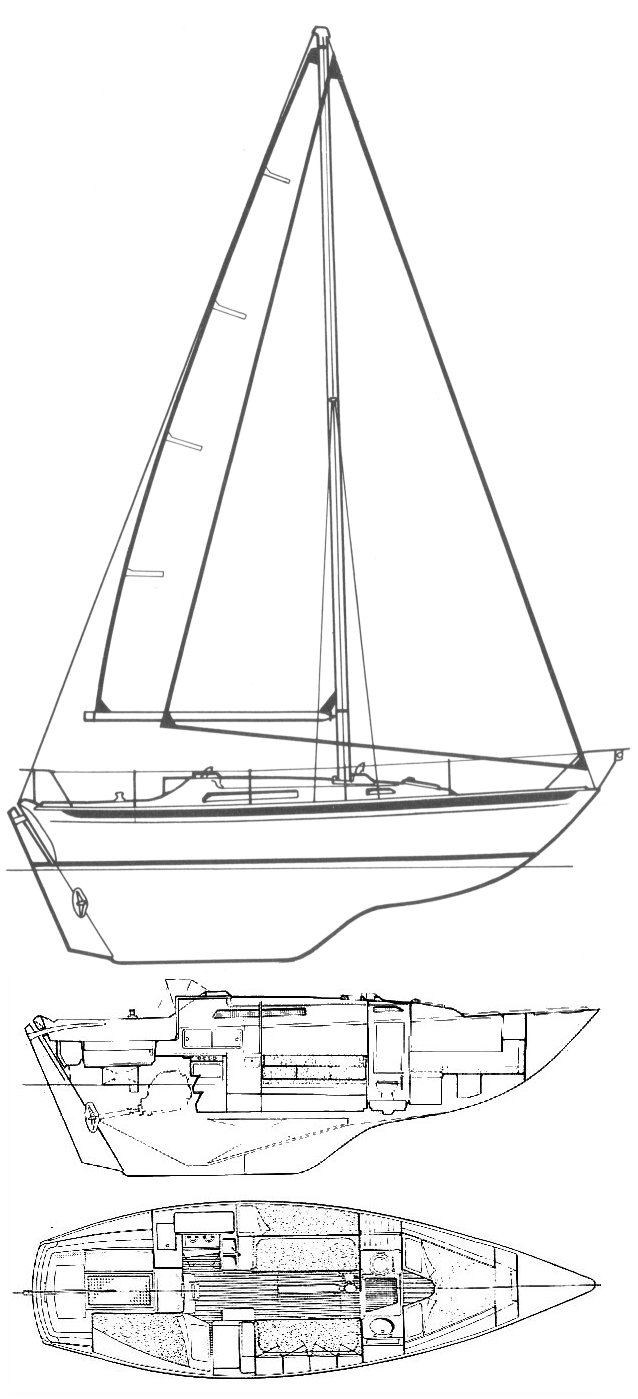
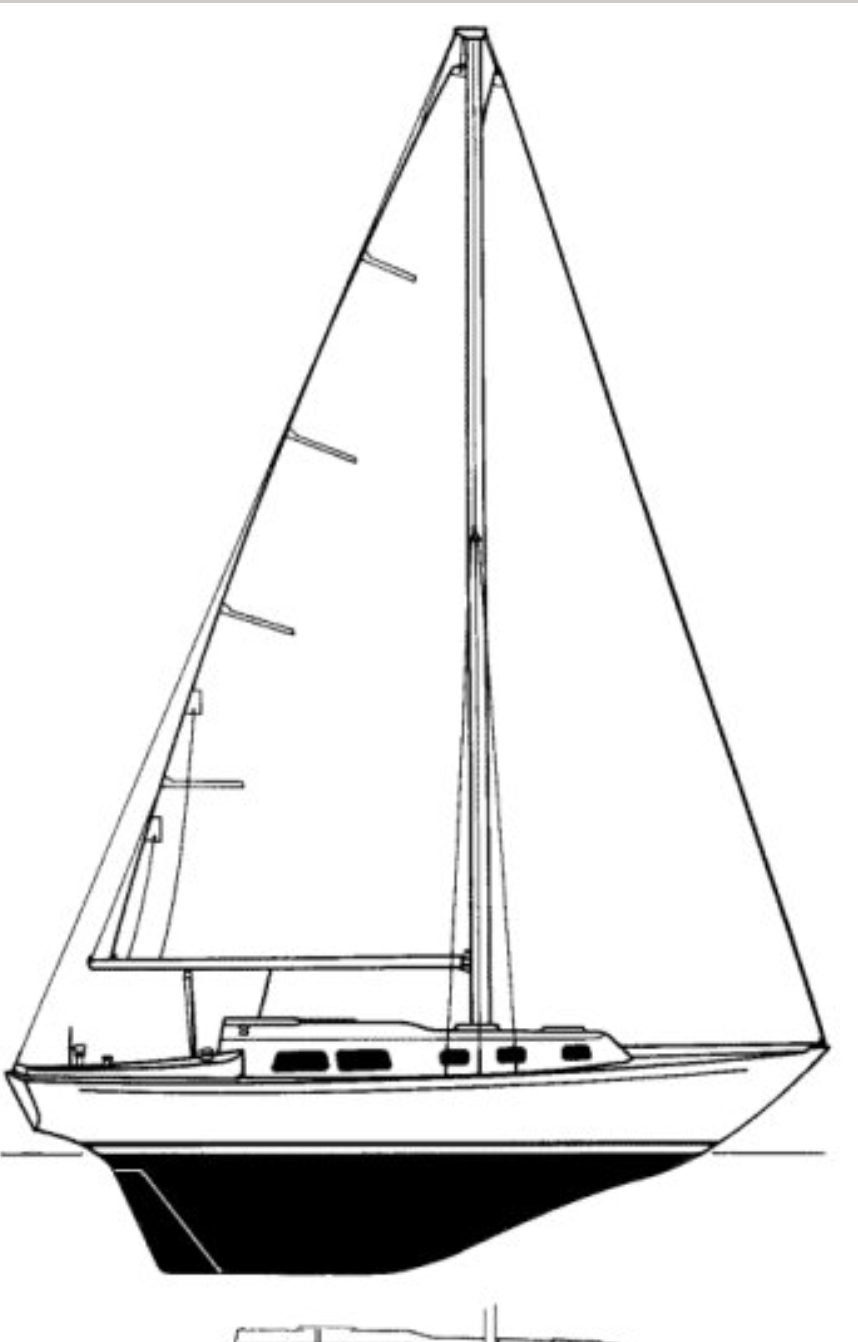
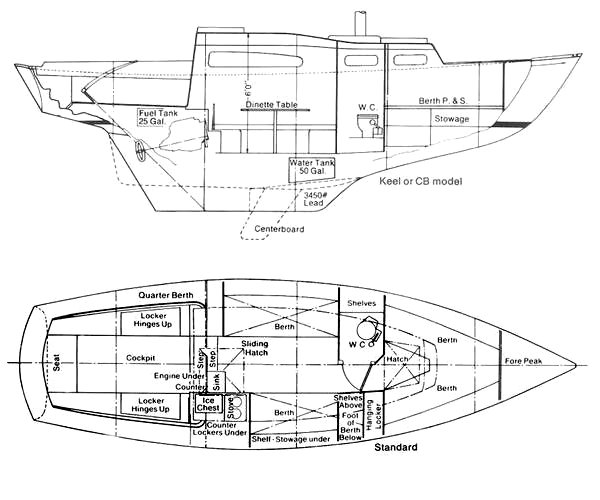
The Bristol 30 is the Bristol 29 grown by a foot of deck, a Halsey C. Herreshoff design built by Bristol Yachts in Rhode Island from 1968 to 1978. Baldwin’s list entry states the relationship plainly: a “Herreshoff sloop design, 174 built from 1968 to 1978, based on the Bristol 29 hull.” The waterline, rig dimensions, ballast, and underbody carry straight over; what the extra length bought was a reworked deck and coachroof and a somewhat more usable interior.
History
Bristol Yachts updated rather than replaced the 29, and the two models overlapped in the catalog around the turn of the decade. Like the 29, the 30 could be had with the fixed long keel drawing about 4’5” or as a keel/centerboard boat drawing 3’4” board-up, the same shoal-water option Bristol offered across the range. The 30’s longer production run and 174 hulls make it modestly easier to find than the 29 today, and the two are best shopped as a single class.
Construction
Construction is the same heavy, hand-laid solid fiberglass as the 29, with 3,450 lbs of lead under a hull displacing about 8,400 lbs, a 41 percent ballast ratio and a D/L well over 300. The long keel carries the rudder on its trailing edge. The standard engine was the Universal Atomic 4 gas auxiliary; diesel repowers are common and worth a premium. The Bristol reputation for finish quality that Baldwin noted on the 29, teak toe rails and above-average construction features, applies equally here, since the boats came off the same shop floor.
Under Sail
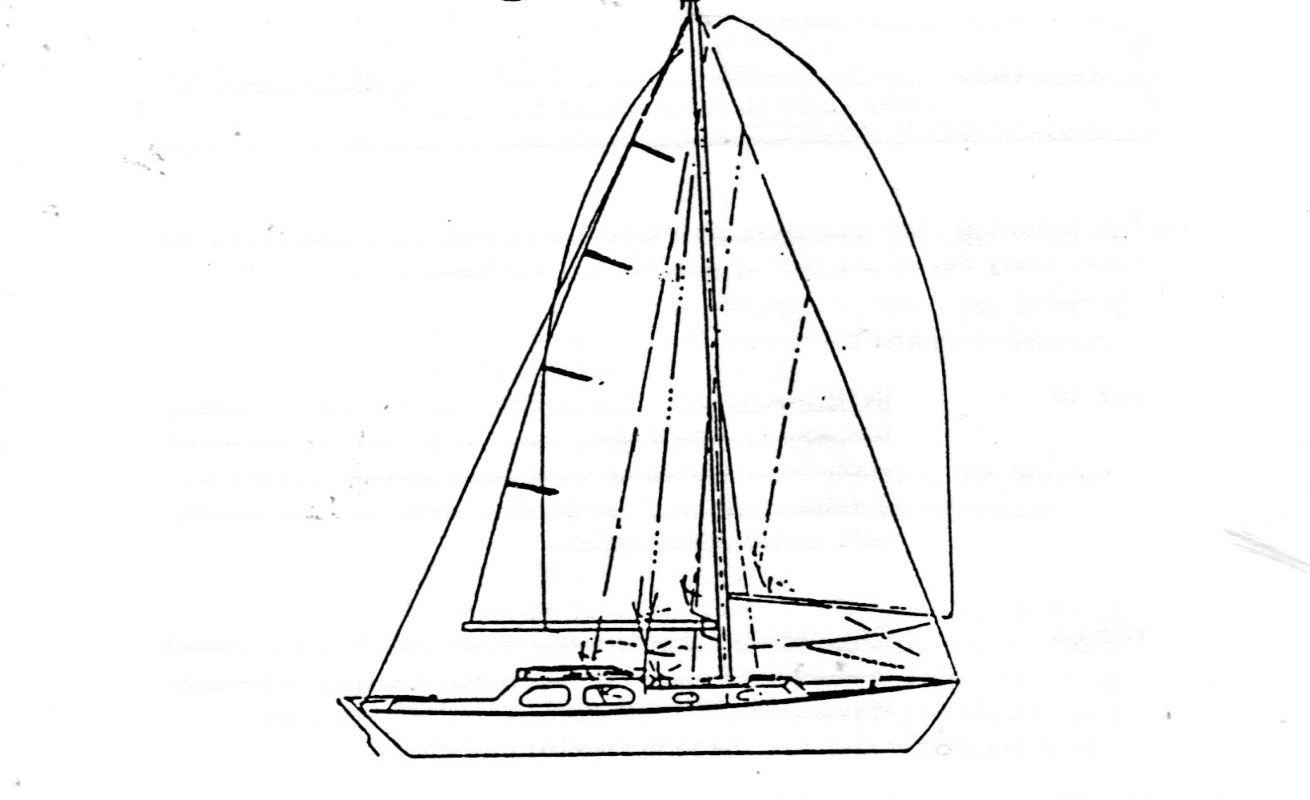
The numbers are the 29’s numbers: 400 sq ft of sail on 8,400 lbs gives an SA/D near 15, under-powered by modern taste, with a capsize screening figure around 1.8 that sits well inside the offshore comfort zone. The boat is happiest in 12 knots and up, tracks steadily, and has the easy motion that a heavy hull on a moderate beam produces. Centerboard versions give up a little windward bite with the board up and gain anchorage access; fixed-keel boats are the simpler machine.
Buyers Notes
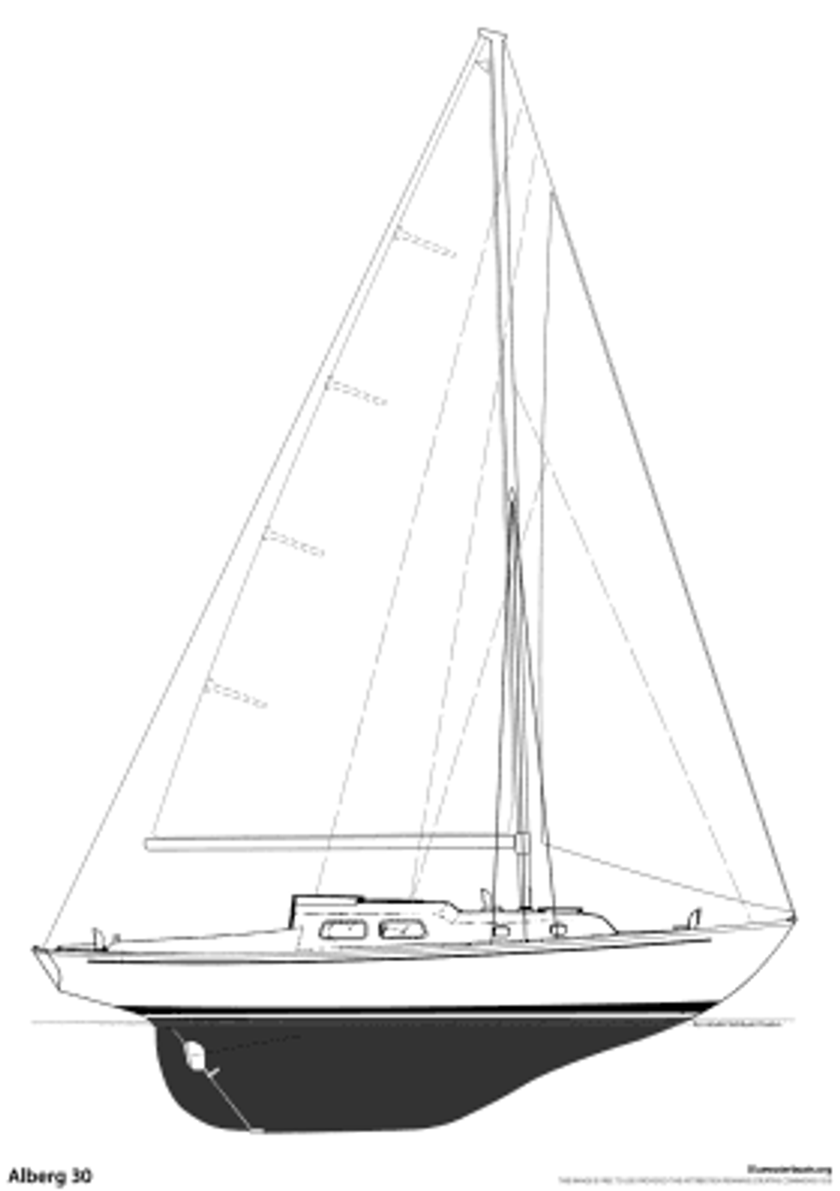
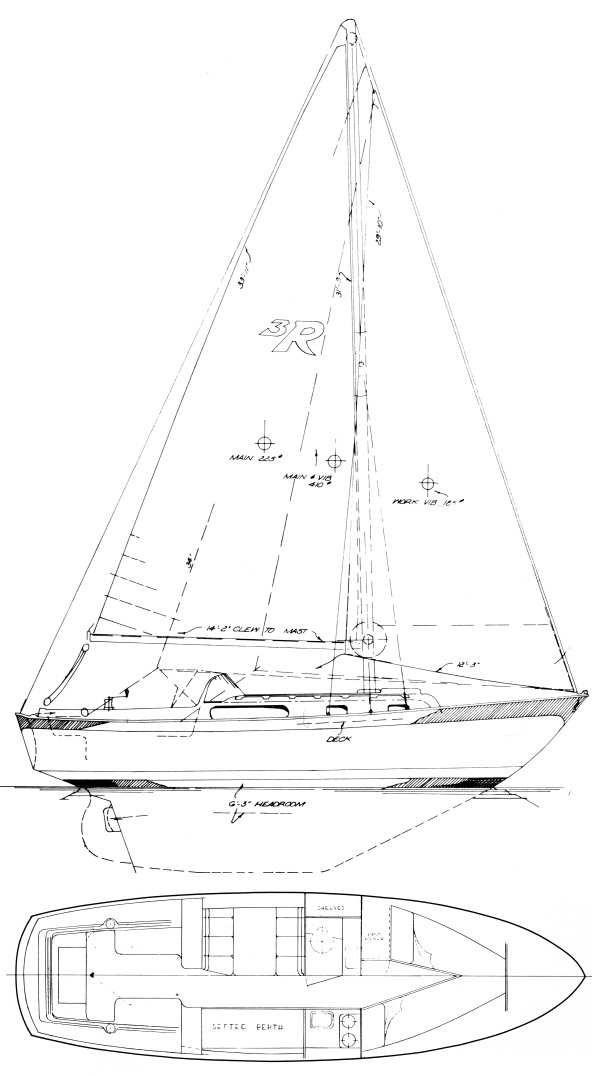
Compare the 30 with the Bristol 29, Alberg 30, and Pearson Triton. Condition matters more than the model name. The survey list is identical to the 29’s: deck core, chainplates, engine (Atomic 4 versus diesel repower), and on centerboarders the board hardware and trunk. Neglected centerboard repairs can be extensive.