Overview
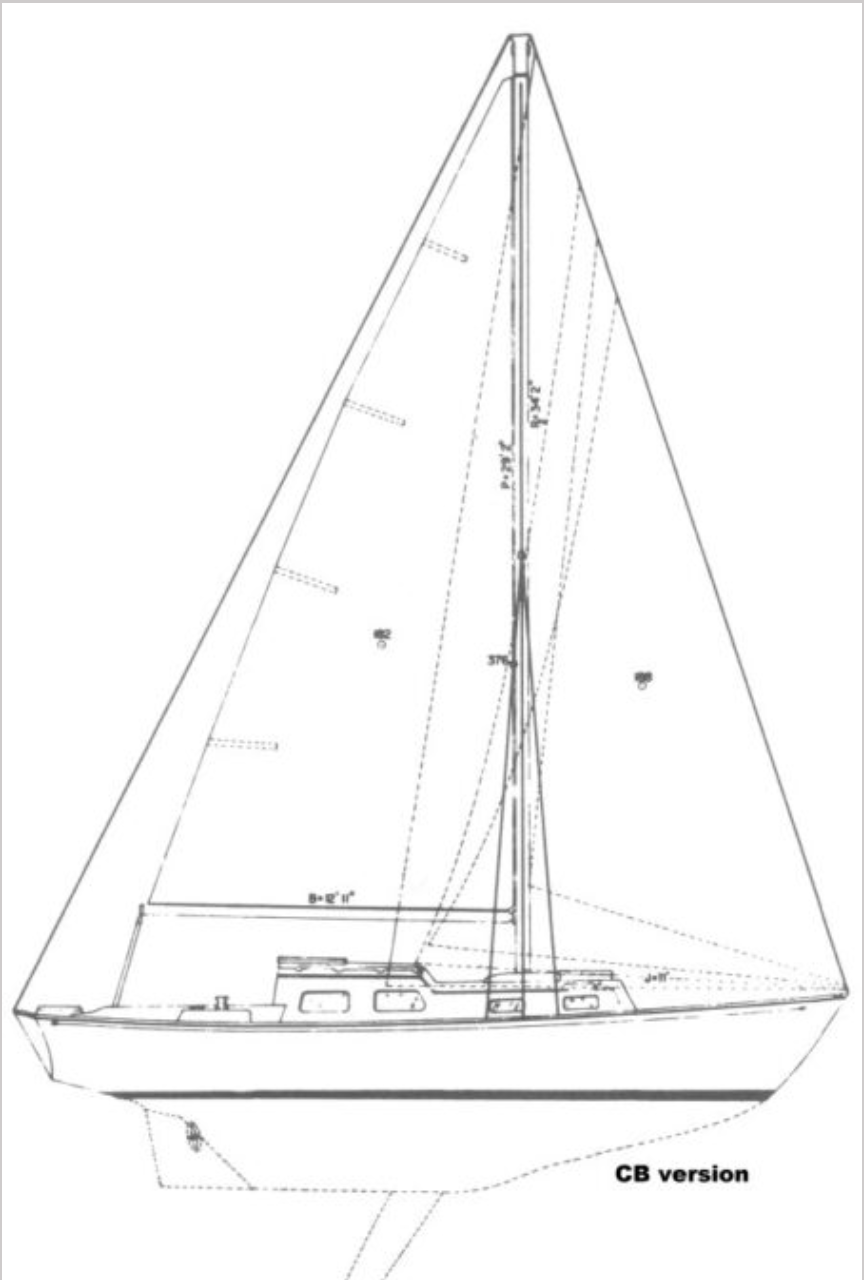
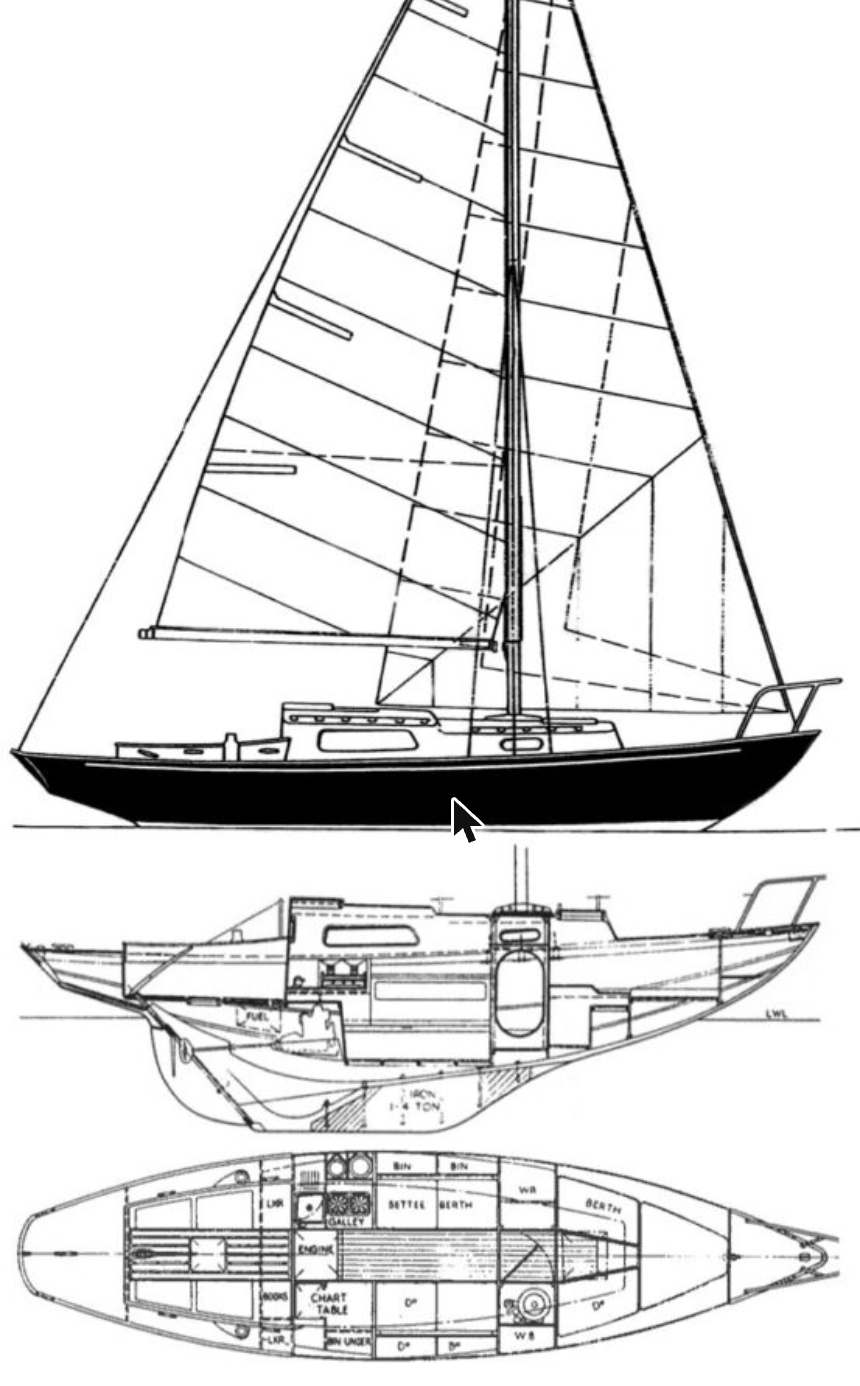
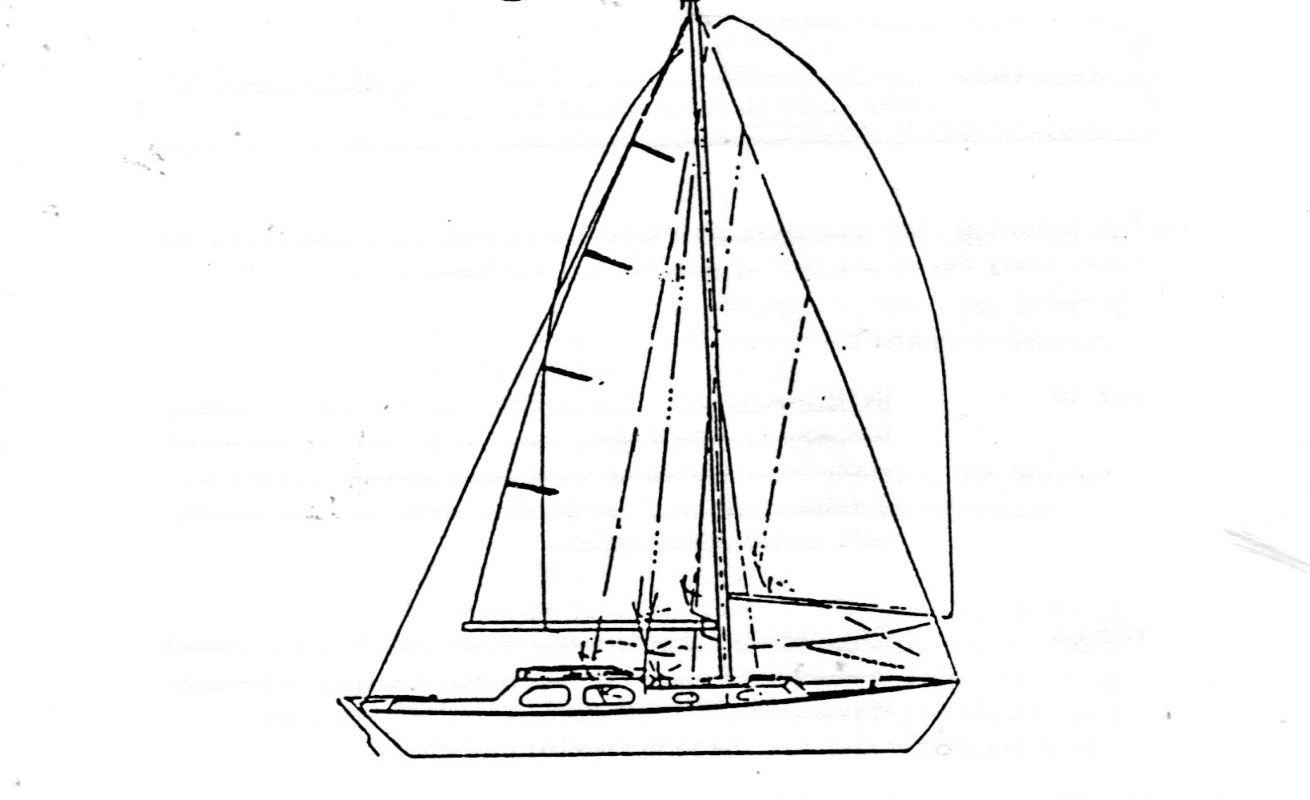
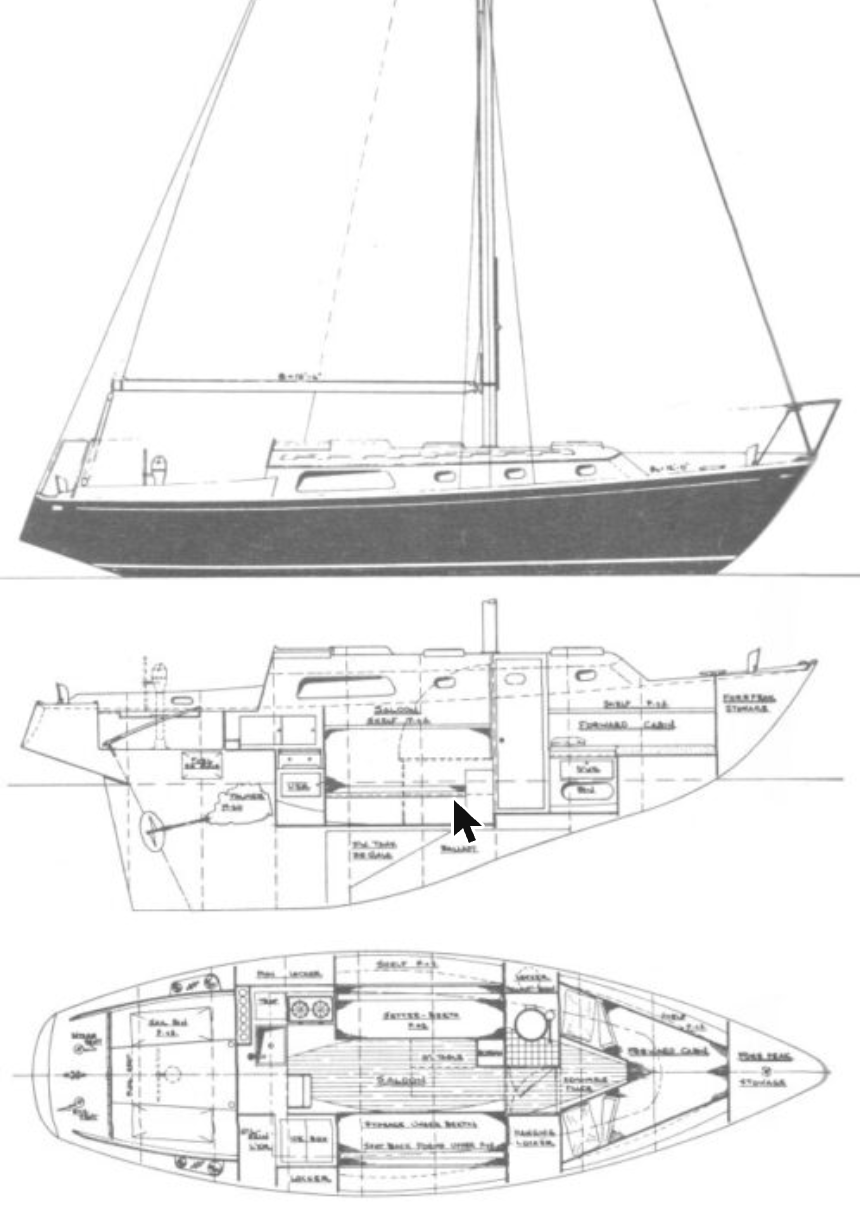
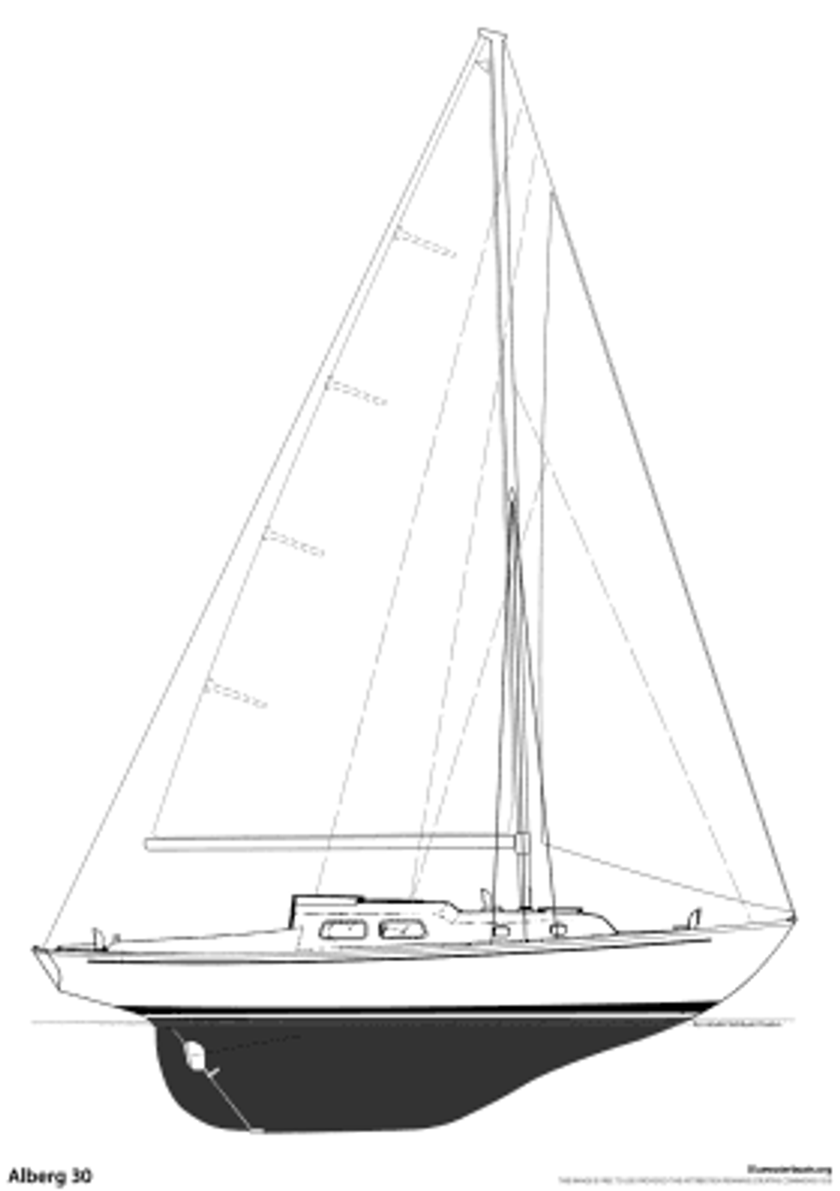
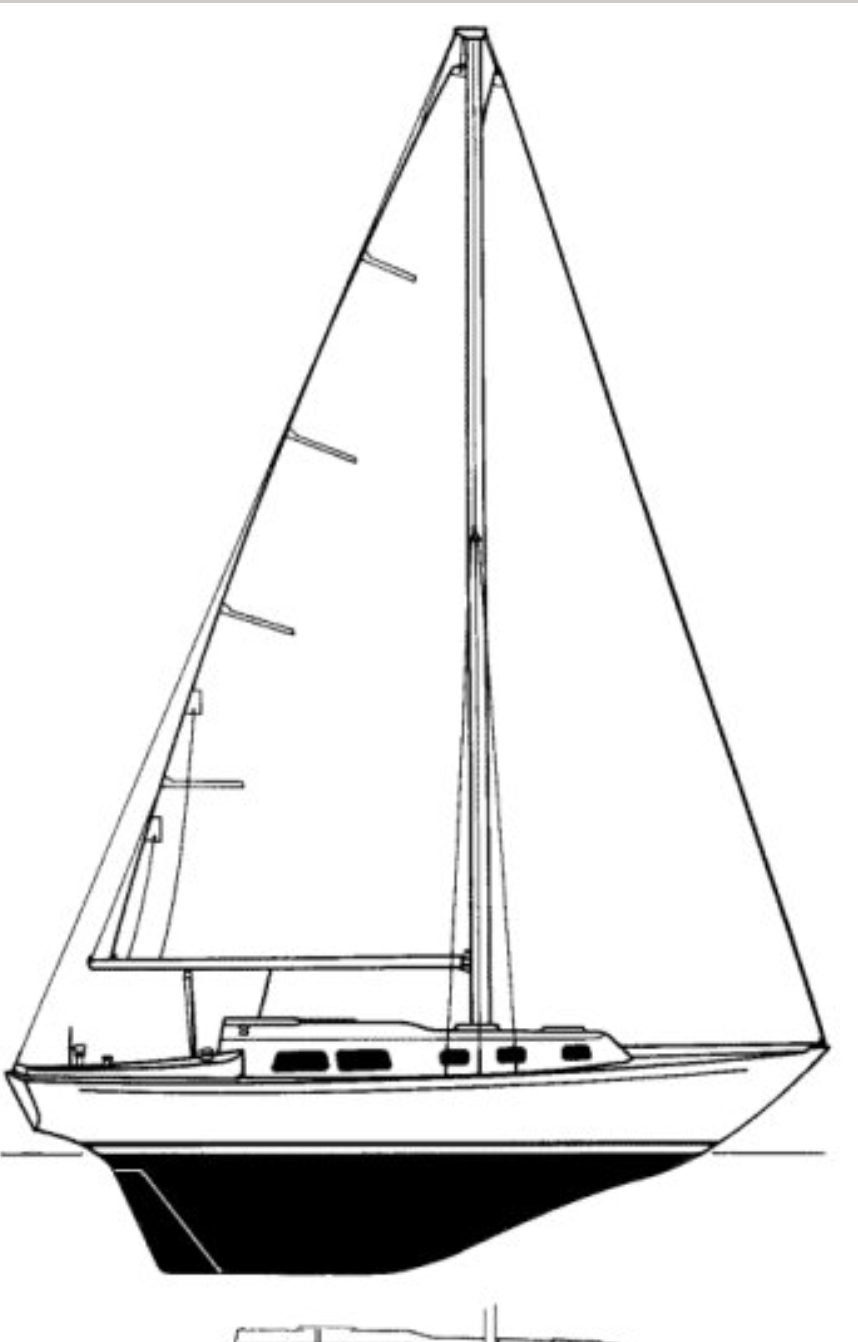
The Alberg 29 is one of Carl Alberg’s last designs, drawn in the mid-1970s when Nye Yachts of Belleville, Ontario commissioned an updated take on the boat that made his name, the Alberg 30. The family resemblance is obvious: long overhangs, narrow beam, a full keel with the rudder hung on its trailing edge, and a low, traditional sheer. What changed is mostly inside and in the details; the 29 carries a touch more beam for its length and a more workable interior than the 1962 boat it descends from.
History
Alberg drew the 29 roughly fifteen years after the Alberg 30, and it shows a designer refining rather than reinventing. Nye Yachts built the boat in Belleville, Ontario from 1976 to 1985, and only about 80 were completed, a fraction of the Alberg 30’s production run. That small fleet is the boat’s defining fact on the used market. James Baldwin describes it simply as “one of Alberg’s last designs, built in the 1980s as a modernized version of the Alberg 30.”
Construction
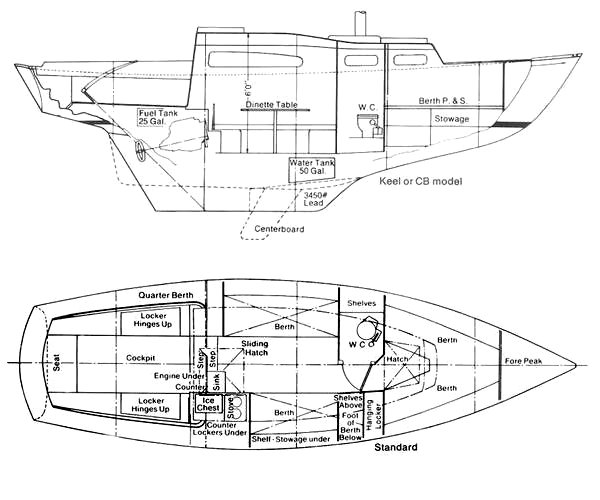
The hull is hand-laid solid fiberglass over a full keel, with 4,000 lbs of lead ballast in a 9,000 lb boat, a ballast ratio near 44 percent that ranks among the highest of the classic under-30-footers. The rudder is keel-hung, and steering was by tiller. The interior is trimmed in teak, and headroom is 6’2” per Baldwin’s notes, generous for a narrow 29-footer of this ancestry and a real improvement over the Alberg 30.
Under Sail
The 29 sails the way Albergs sail. The narrow, slack-bilged hull heels early, then stiffens hard as that 44 percent ballast ratio takes over. The full keel tracks arrow-straight and is forgiving of a distracted or overpowered helm, at the cost of tacking speed and light-air liveliness. With a reported 417 sq ft of sail the SA/D sits near 15.5, moderate, and typical of a boat meant to be reefed late and steered little. Like its older sister, it is a boat that rewards trimming for balance and then leaving the helm nearly alone.
Buyers Notes
The catch is supply. Baldwin’s one recorded minus: “Limited numbers were built and not many are on the market.” With around 80 hulls, finding one takes patience, and finding one near you takes luck. The compensation is age: an Alberg 29 is ten to twenty years younger than most Alberg 30s, so decks, tanks, and wiring have had that much less time to deteriorate. Survey attention is the same as for any boat of this family: deck core moisture, original chainplates, and the condition of whatever auxiliary has replaced or preserved the original engine. For a buyer who wants Alberg 30 manners with a slightly more livable interior and a younger hull, the 29 is worth the wait, if one turns up.