Overview
The Cavalier 36 came from the early Doug Peterson one-ton racing family rather than from a traditional cruising design. SailboatData describes it as a slightly enlarged development of Ganbare and records Laurie Davidson’s work on the production deck. Cavalier Yachts began building the model in New Zealand in 1976 and completed about 20 boats.
No reliable last-production year has been found. The former record used 1980 as a representative date tied to the builder’s financial history, not to a documented final hull. That date has been removed rather than displayed as settled fact.
Hull and Rig
The class figures are 36.09 feet overall, 29.86 feet on the waterline, 11.81 feet of beam, and 6.23 feet of draft. Displacement is 14,513 pounds with 7,507 pounds of lead ballast and 858 square feet of reported sail area. The ballast ratio is unusually high for a production cruiser because the design began as a performance-oriented offshore racer.
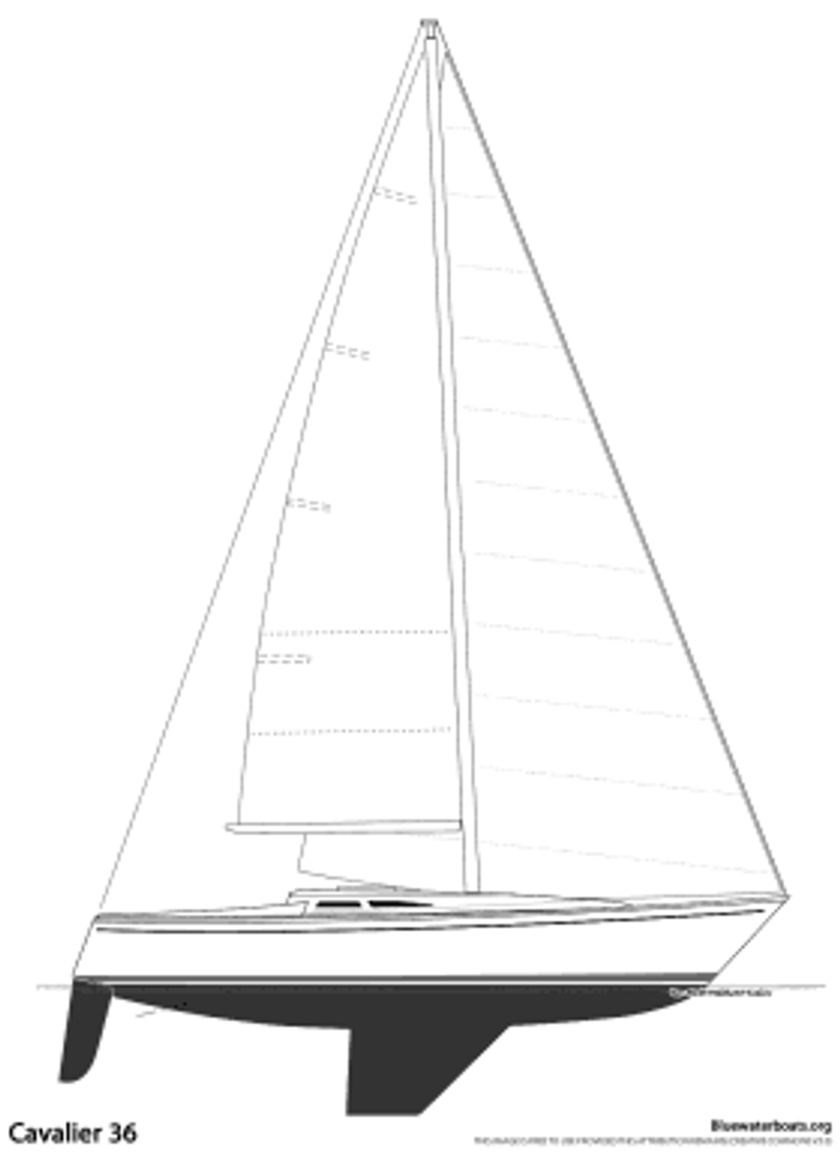
The hull has a fin keel and spade rudder. This gives the boat less underwater protection than a long-keel cruiser, while offering cleaner flow, quicker response, and better turning. The archived review describes seven high-tensile Monel keel bolts and molded-in chainplates. Those construction details still need confirmation from original Cavalier documentation or a model-specific survey, so they remain inspection leads rather than fleet-wide guarantees.
Under Sail
The sail-area ratio and moderate displacement point to a boat that should accelerate and sail to windward more readily than the heavy double-ended cruisers often grouped with it. A deep fin and spade rudder also make sail balance, rudder bearings, and steering condition important. Load the ends with cruising gear and the motion and helm can change from the original racing trim.
The archived article praises downwind and reaching performance, calls the boat stiff, and says at least two examples circumnavigated. It names neither boat nor skipper. This rewrite does not use that statement to support a circumnavigation tag.
Documented Passage
Camellia, a 1976 Cavalier 36, provides current named evidence. Ben Ball sailed her solo from Opua, New Zealand, to Southport, Australia, in the 2026 Solo Trans-Tasman Yacht Challenge. Boating New Zealand reported their finish and identified the boat, year, designer, and deck work.
That crossing supports the design’s offshore capability without turning one finish into a claim about every hull. The present record has no verified circumnavigation for the class.
Interior and Cruising Use
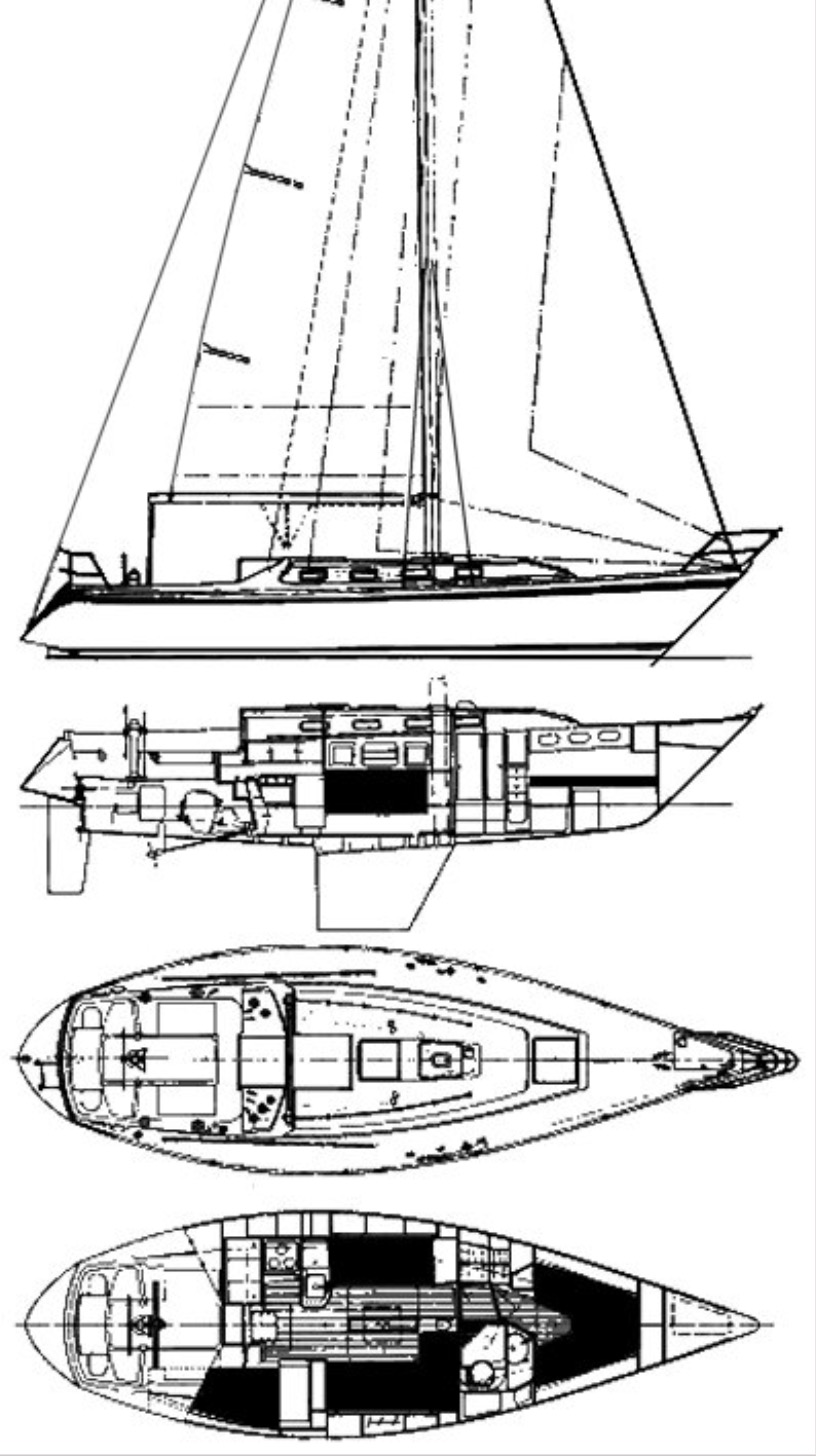
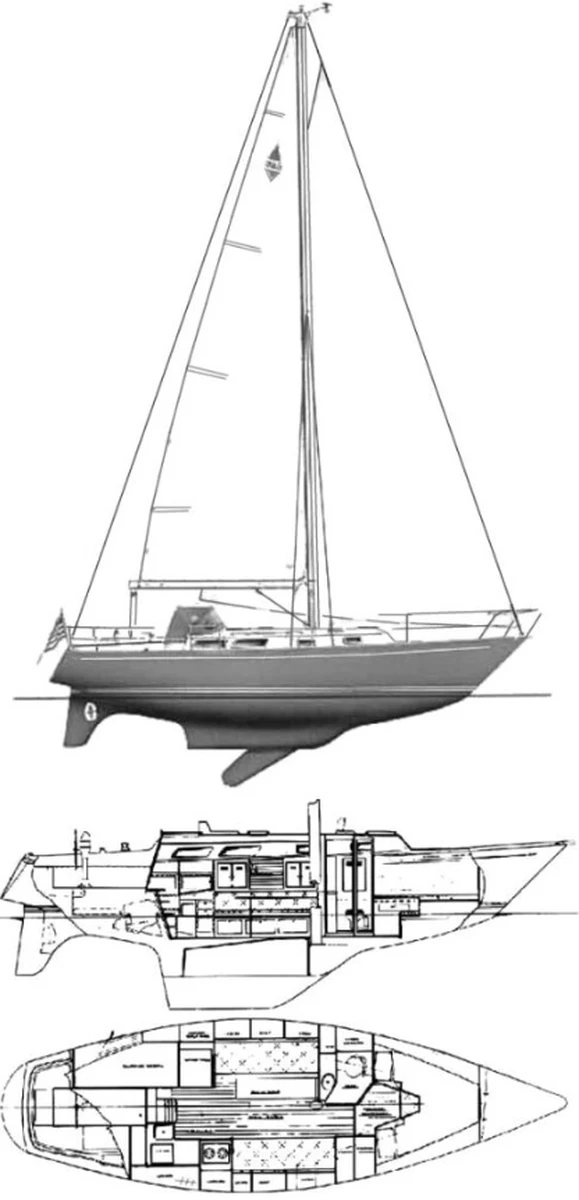
The racing hull carries a broad 11-foot 10-inch beam and a relatively long waterline for its nominal length. The archived review describes seven berths, including pilot berths and a quarter berth, plus unusually generous headroom. Production interiors and later refits may vary, and no factory arrangement drawing is currently attached.
For cruising, the useful trade is clear. The Cavalier offers more pace and responsive handling than a heavy long-keel boat, but gives up some rudder and propeller protection. Stowage location, steering reliability, and a disciplined loading plan matter if the boat is expected to retain its sailing strengths offshore.
What to Inspect
Inspect keel bolts and the keel joint, rudder stock and bearings, steering, mast support, chainplates, bulkhead bonds, and every high-load deck fitting. The archived source describes balsa-sandwich construction, which makes moisture testing around penetrations especially important if confirmed on the individual hull.
The small production run limits the value of generic defect lists. Establish whether a boat was modified for racing or cruising, weigh heavy additions against the original trim, and verify its exact build history. Camellia supplies credible passage evidence; the condition and loading of another Cavalier 36 remain separate questions.