Overview
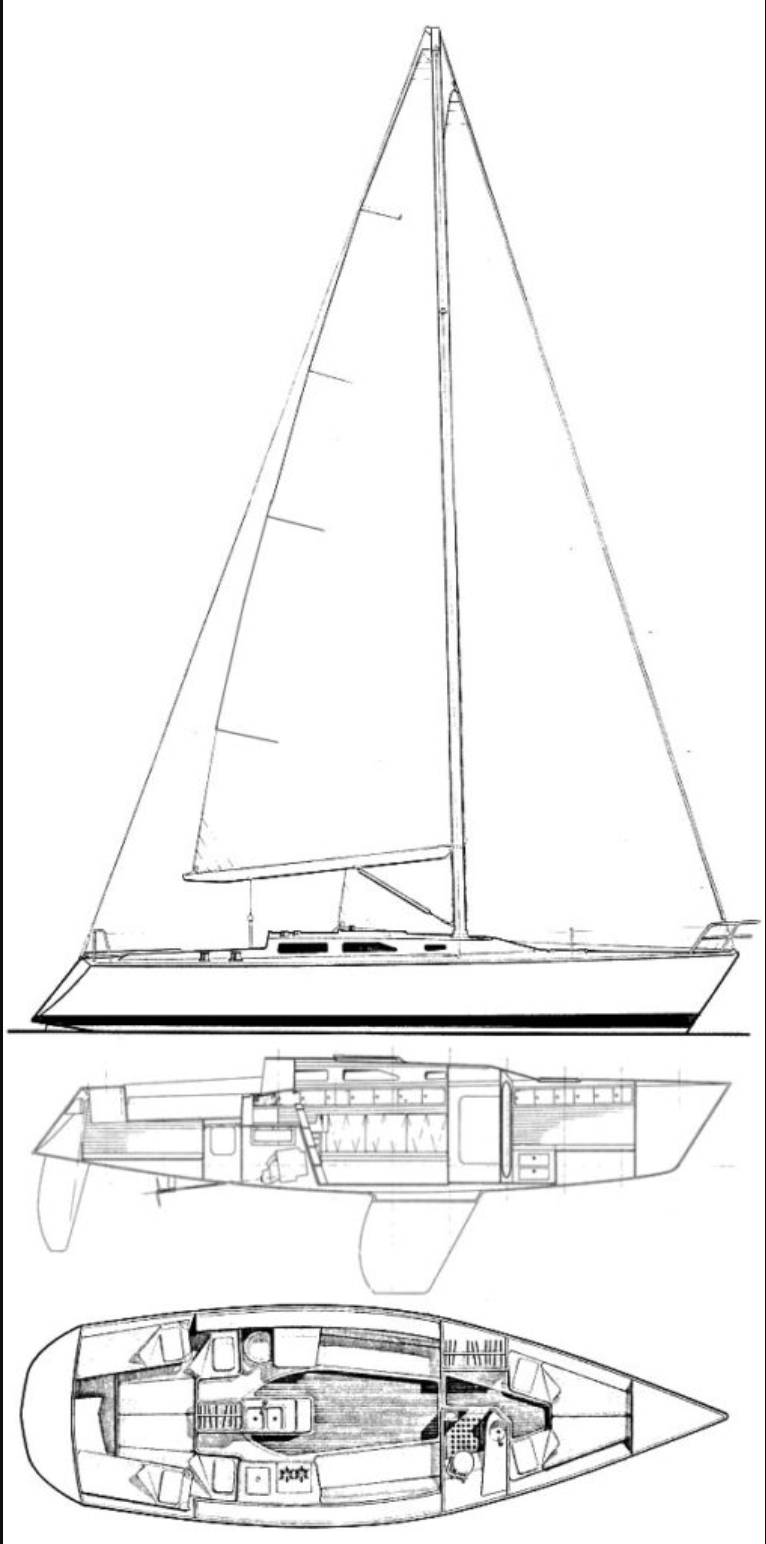
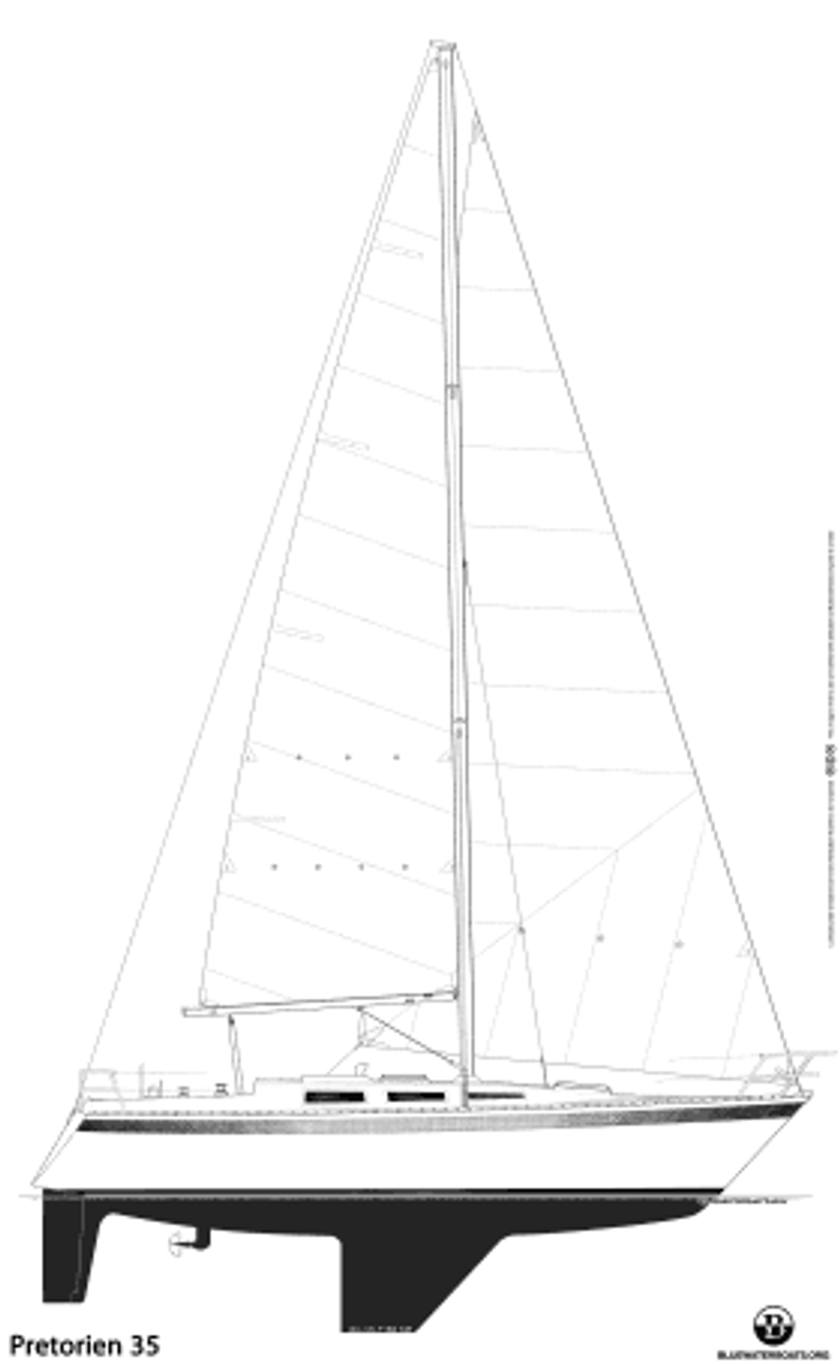
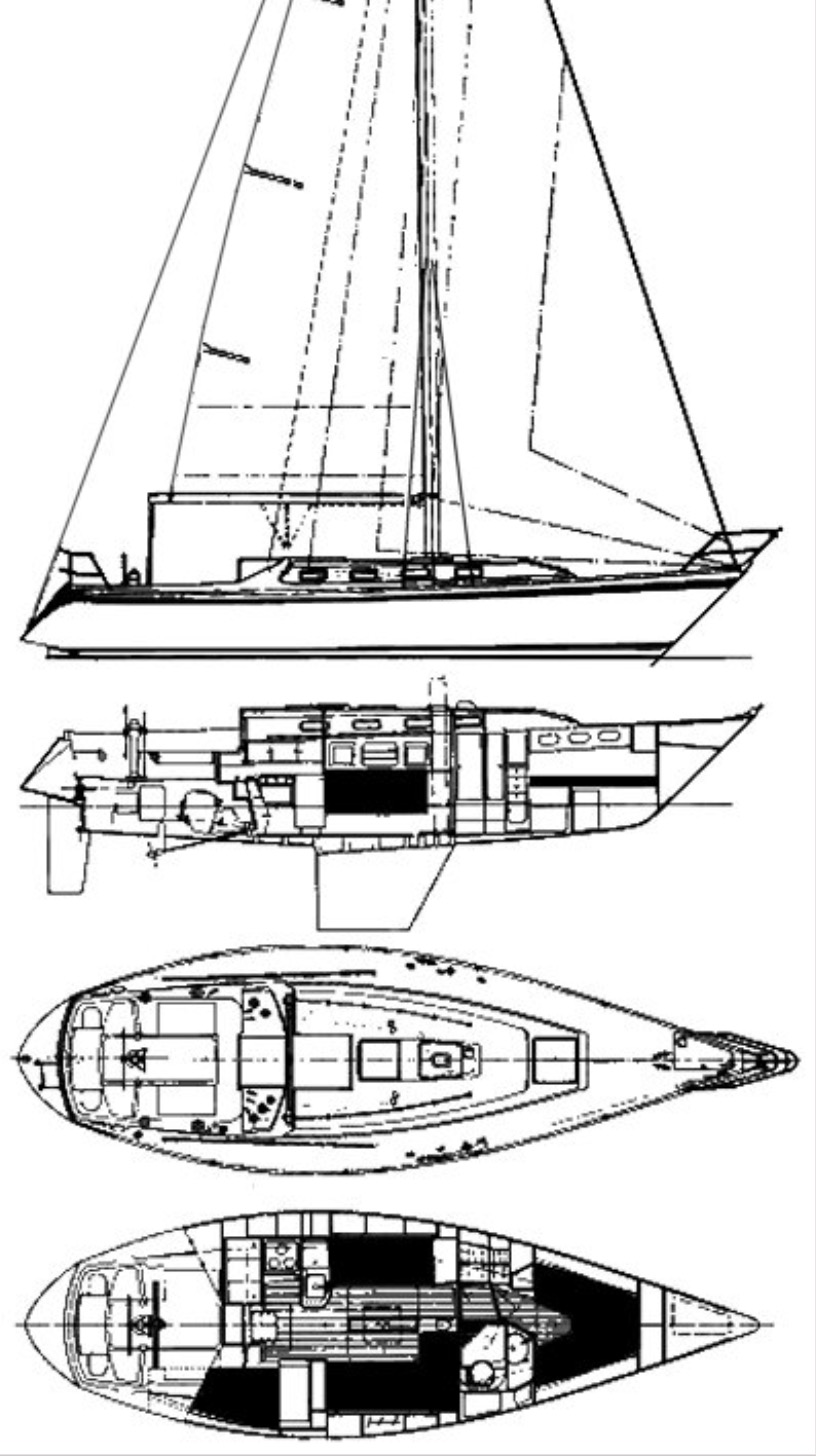
The CS 36 came from Canadian Sailcraft, a Ontario-based builder generally regarded as a cut above average production quality for its era. Raymond Wall’s design proved immediately popular: over 60 sold within a month of its 1978 introduction, and production ran through 1987, when the CS 36 Merlin arrived and the earlier boat picked up the “Traditional” suffix to distinguish the two during their year of overlapping production.
History
Canadian Sailcraft built the CS 36 in Ontario from 1978 to 1987, with roughly 400 hulls completed, a strong run for a boat of this size and era. The company was well regarded for over 25 years before closing in the early 1990s. When the CS 36 Merlin, a distinct newer design, launched in 1987, the original 36 needed a name to distinguish it, and “CS 36 Traditional” stuck.
Design and Construction
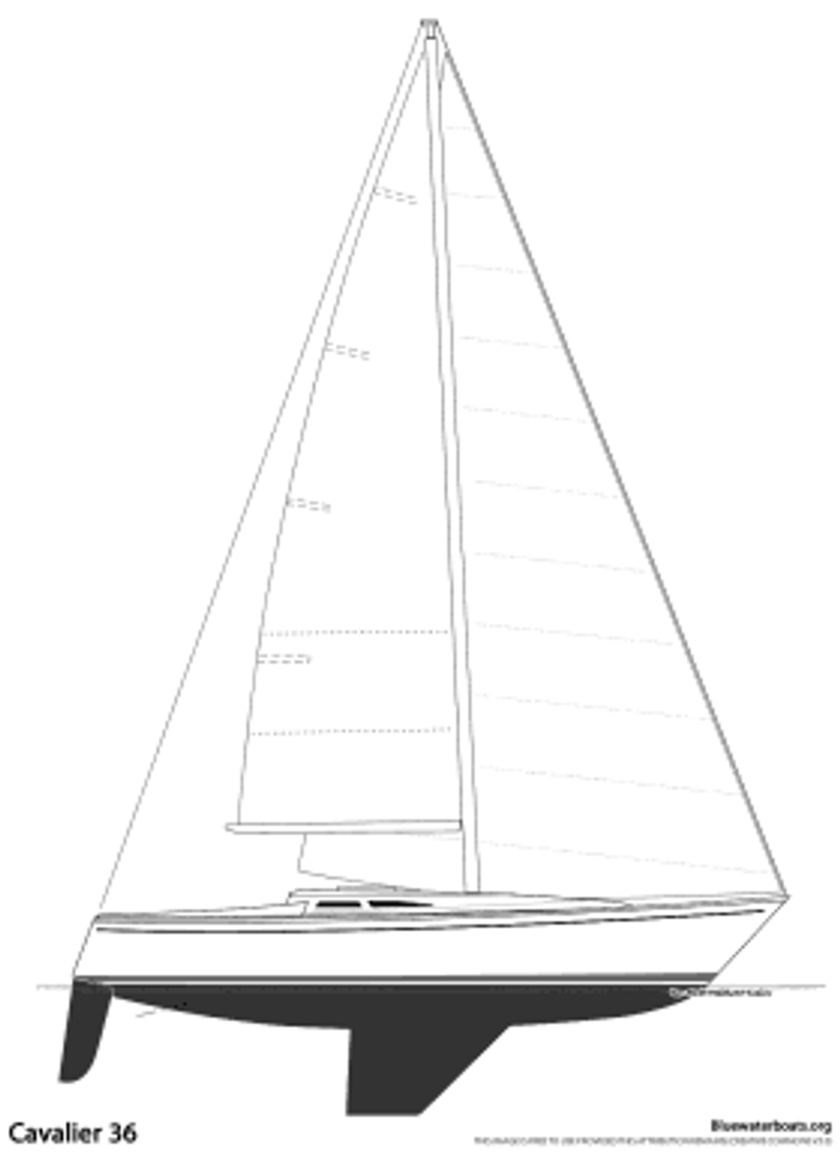
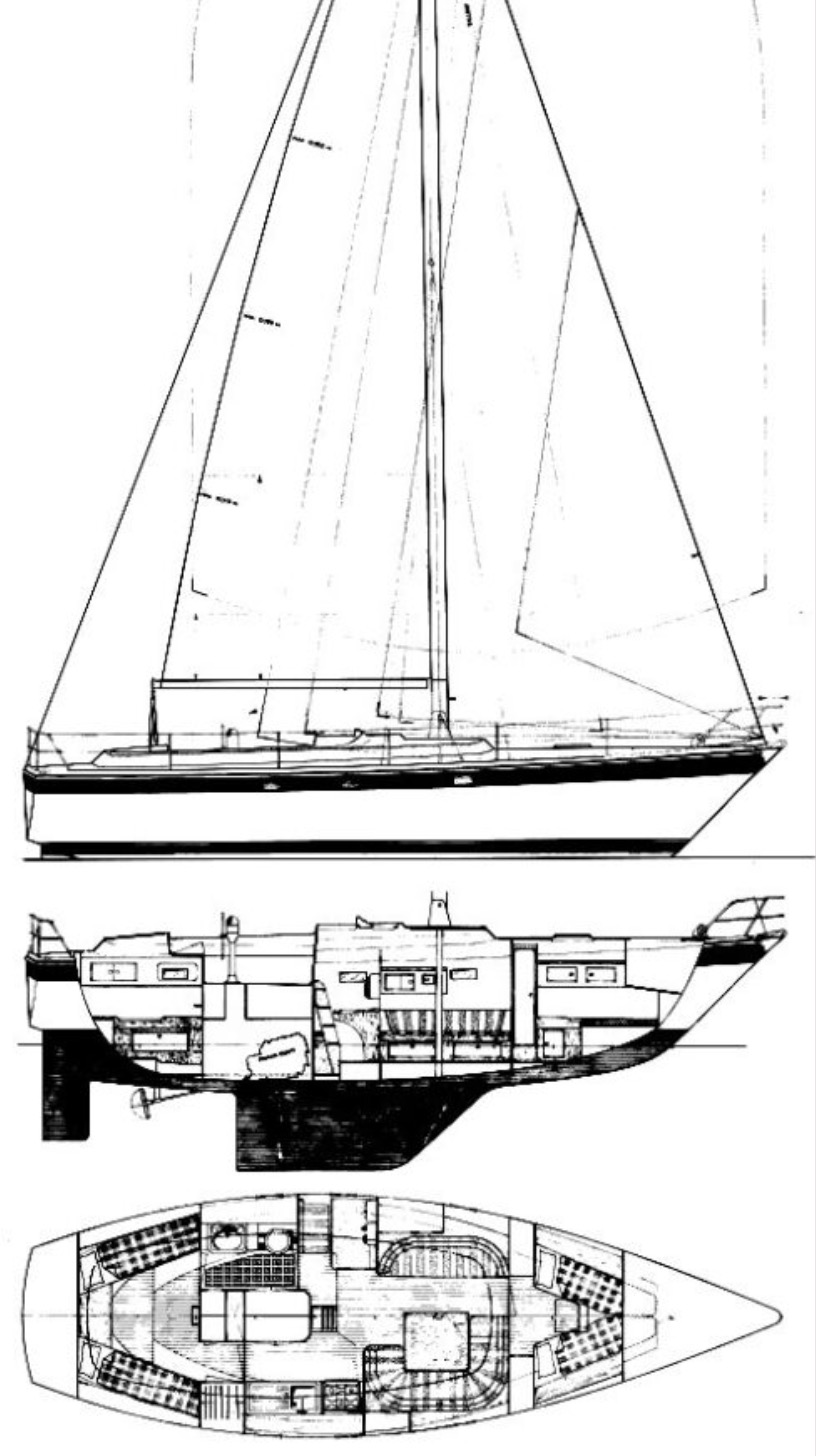
The hull is solid fiberglass with foam-covered structural stiffeners; decks, coachroof, and cockpit are balsa-cored for stiffness without excess weight. Major bulkheads are bonded to both hull and deck, a detail independent reviewers single out as sturdier than typical for the era, and the hull-to-deck joint uses an inward flange through-bolted on 4-inch centers. A standard fin keel with partial skeg draws 6.25 ft; a shoal-draft option brings that to 4.92 ft at a small cost in ballast and displacement. Independent reviewers rate the fit and finish, both glasswork and interior joinery, well above the production-boat average for the period.
Under Sail
No single named ocean passage was found for this specific model, but the boat’s offshore character shows up in more than just marketing copy. Practical Sailor’s own stability calculation puts it comfortably above the threshold it treats as a baseline for offshore suitability, and the same review carries an owner’s account of heaving-to safely under mainsail alone in 50 to 60 knot winds, real if anonymous evidence of genuine open-water use.
Buyers Notes
The rudder is the main system worth extra attention on survey: it is foam-filled fiberglass, and water intrusion over time can lead to internal corrosion of its stainless fittings. Independent reviews also note a shallow bilge that lets water slosh when heeled, so-so engine access requiring panel removal, and limited stowage compared to more modern designs, none of them disqualifying but all worth factoring into a purchase decision. Early boats shipped with brass gate valves that most surveyors now recommend upgrading to proper seacocks.