Overview
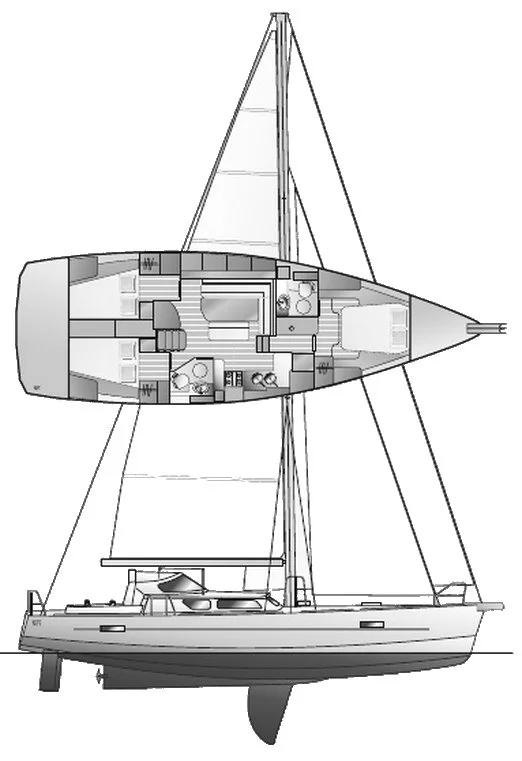
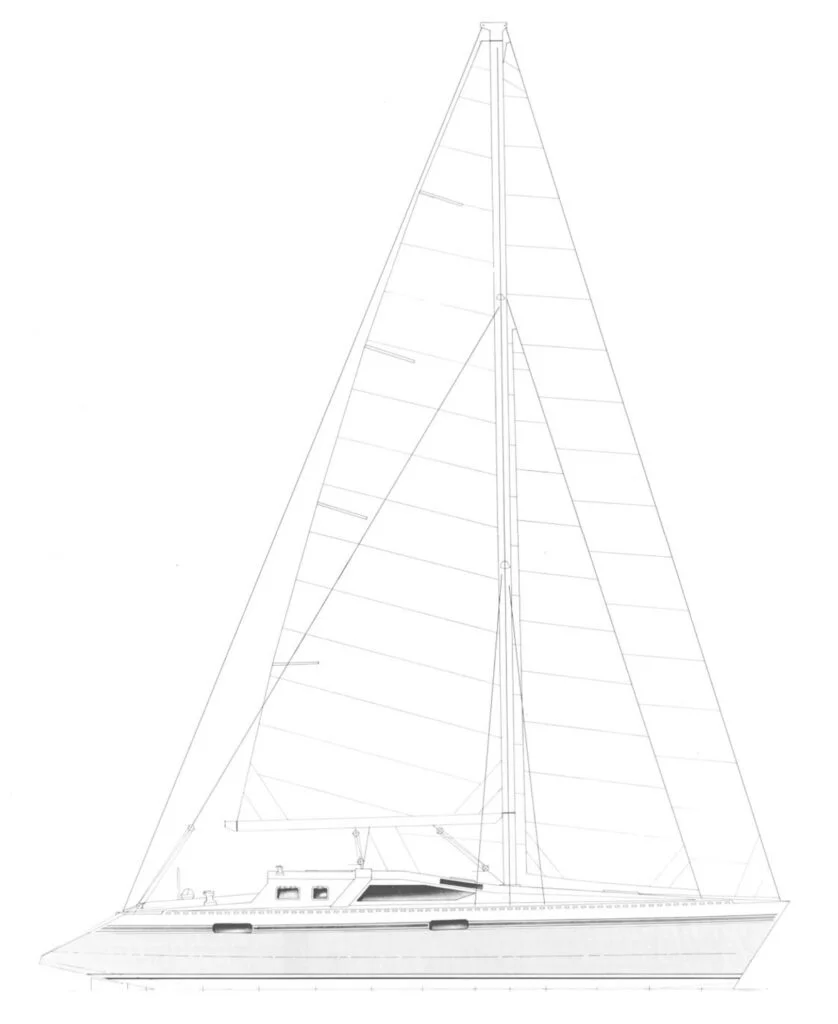
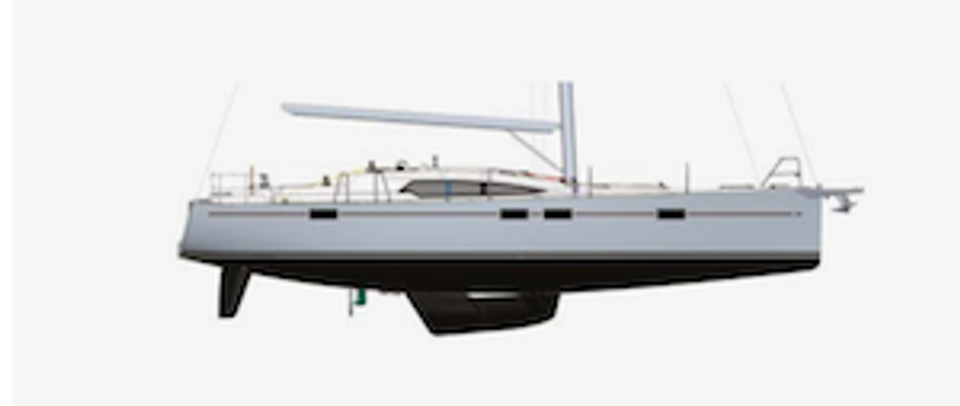
The Garcia Exploration 45 is an aluminum, centerboard expedition cruiser built by Garcia Yachts (part of the Grand Large group alongside Allures) starting in 2014, to a design by Berret-Racoupeau. Unusually for a production model, its origin is directly documented: renowned circumnavigator Jimmy Cornell, who had already logged 70,000 miles including Patagonia, Antarctica, and Alaska aboard an earlier Ovni 43, personally commissioned this design as his own “ideal cruising boat,” intending it for his Blue Planet Odyssey circumnavigation and Northwest Passage sailing. The result is a boat built specifically around high-latitude and long-distance expedition sailing rather than adapted from a coastal-cruiser platform afterward.
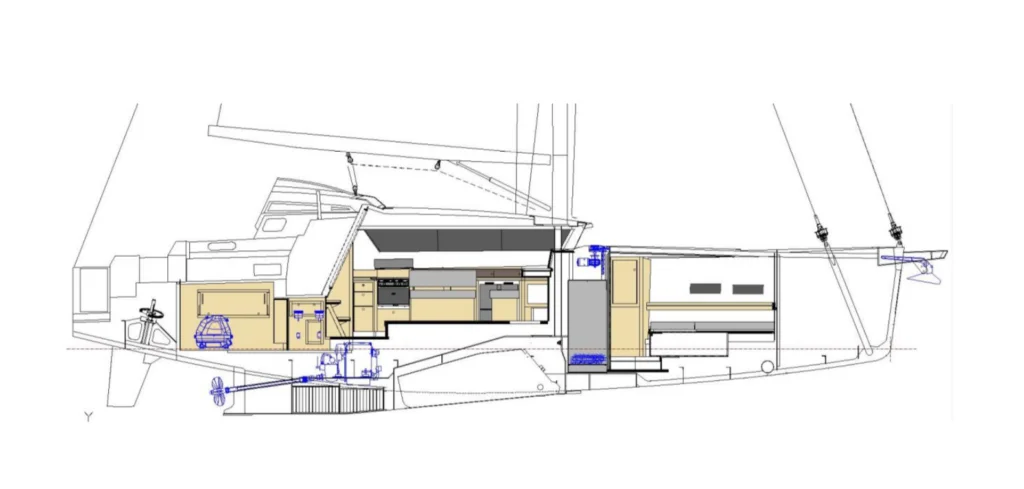
The centerboard design gives real draft flexibility: 3.74 ft with the board up for shoal water or ice-margin anchorages, 9.51 ft down for upwind performance and stability offshore. Twin rudders, protected by short skegs, keep steering redundant and grounding-resistant, a deliberate high-latitude and reef-country design choice rather than a performance-sailing one.
Design and Construction
At just over 32,000 lb displacement with a 31 percent ballast ratio (the centerboard itself is the ballast, not a separate internal weight), this is a substantial, offshore-oriented boat built to Garcia’s four-decade aluminum-construction practice. Welded aluminum through-hull fittings sit above the waterline, and thick double-glazed windows plus foam-panel insulation (80mm on the hull skin, 40mm under the deck) are built in specifically for cold-climate, high-latitude use, not just window dressing on a standard interior. Water and fuel tankage sits low in the bilge for stability, with the option to pump contents to windward tanks underway for extra stability trim, a genuinely expedition-specific detail.
Under Sail
No independent, third-party account of a specific named Exploration 45 completing a full ocean passage was found in this research pass, but the design brief itself is unusually well documented: Jimmy Cornell’s own account (via Practical Boat Owner) describes commissioning this exact model for high-latitude and circumnavigation sailing, and the same article’s photo shows him aboard during a Northwest Passage transit. This concerns the model’s design intent and Cornell’s own broader offshore record more than a fully independent verification of a specific hull’s specific passage, a real but qualified data point rather than the stronger hull-specific evidence this catalog’s Ocean Proven tier requires.
Buyers Notes
As with any aluminum hull, electrolysis and stray-current corrosion are the main long-term maintenance concern, worth checking anode condition and history closely on survey. The centerboard and twin-rudder arrangement both add real mechanical complexity beyond a simple fixed fin keel, worth having surveyed by someone experienced with lifting-keel aluminum boats specifically. Given this design’s origin as a genuine expedition-sailing brief rather than a marketing exercise, the systems built in for cold-climate and high-latitude use (insulation, tankage arrangement, protected steering) are worth understanding in detail even for a buyer planning warm-water cruising, since they reflect real engineering decisions rather than cosmetic options.