Overview
The Boreal 44 is an aluminum, centerboard expedition cruiser built by the French yard Boreal starting in 2010, designed by company co-founder Jean-Francois Delvoye. Delvoye’s own sailing background sits directly behind the design brief: a six-year family circumnavigation followed by expeditions to South Georgia and the Antarctic, credentials the builder’s own co-founder describes as the direct motivation for the boat rather than marketing framing added afterward. Boreal entered a field already established by Ovni and Garcia with a design built specifically around a fully insulated, glazed doghouse for sheltered, all-weather watchkeeping, a genuine functional difference from its French aluminum-centerboarder peers rather than a styling choice.
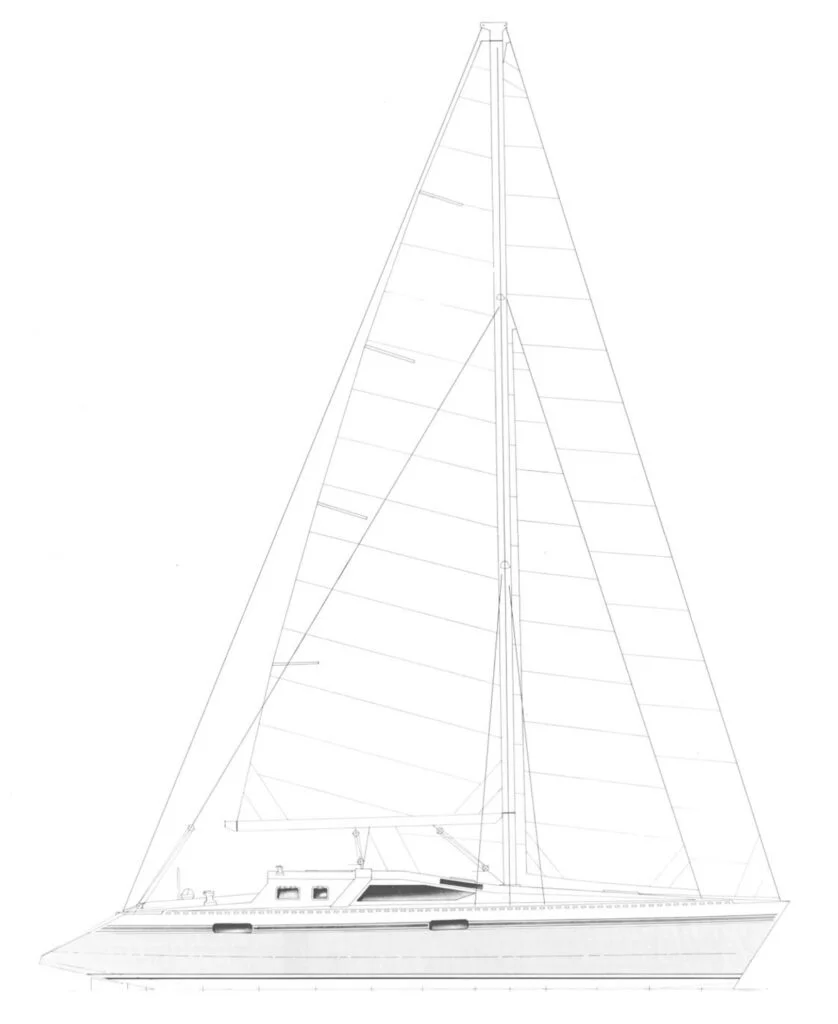
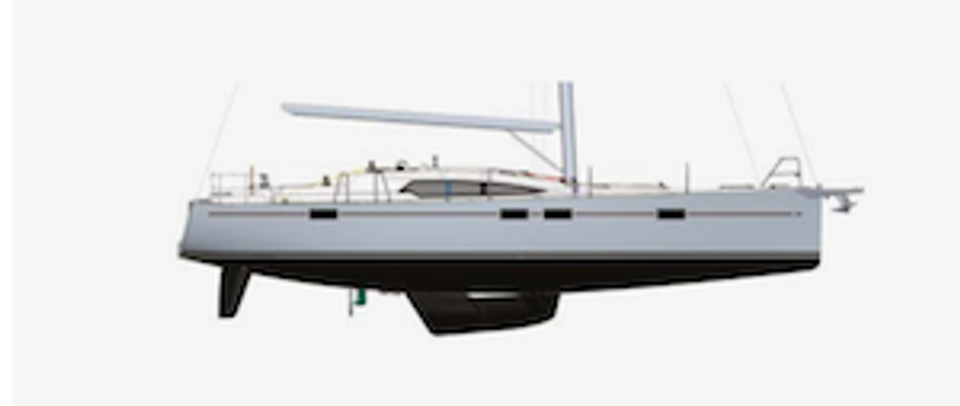
The centerboard system gives a draft range from 3.35 ft (board up, for shoal water or intentional grounding) to 8.14 ft (board down, for windward performance and stability), on a cutter rig with a spade rudder.
Design and Construction
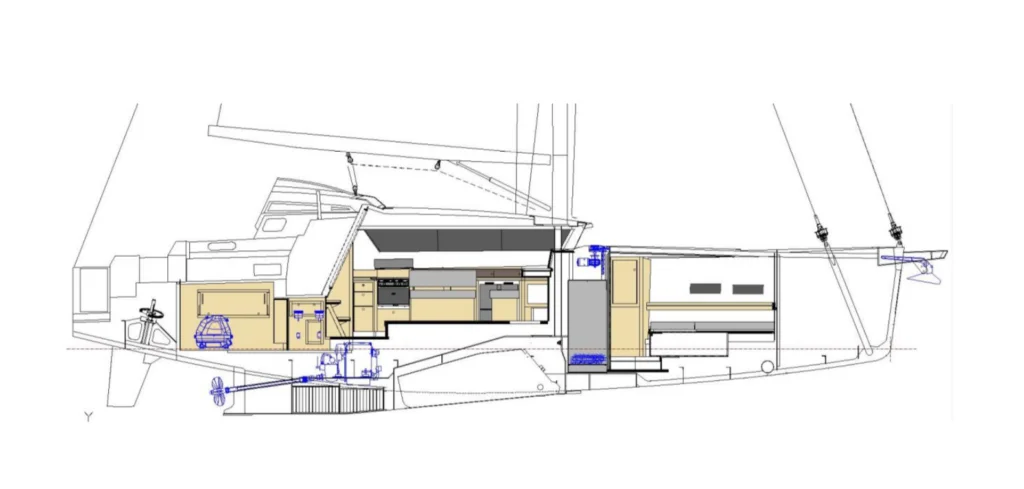
At just under 22,700 lb displacement with a 37 percent ballast ratio, the boat carries a keel box with lead ballast rather than external bolted ballast, consistent with the aluminum-centerboarder genre it belongs to alongside Ovni and Garcia. The doghouse is the model’s signature construction feature: a fully insulated, glazed shelter that gives 360-degree visibility and a protected inside steering position, built in from the design stage specifically for high-latitude and heavy-weather watchkeeping rather than added as an option.
Under Sail
No specific named Boreal 44 completing an independently documented ocean passage was confirmed in this research pass. Real, if indirect, evidence exists at the founder level: a named vessel, “Juan Sa Bulan 3,” sailed to South Georgia from the Falklands with designer Jean-Francois Delvoye’s own family aboard, one of only two non-charter boats to make that passage that year per the builder’s own account, though it isn’t confirmed whether that specific hull is a 44 or a different model in the Boreal range. This reflects serious, genuine high-latitude design intent and founder experience rather than marketing claims, but stops short of a confirmed passage account for this model specifically.
Buyers Notes
As with any aluminum centerboarder, electrolysis and anode condition are the main long-term maintenance concern worth checking closely on survey, alongside the mechanical condition of the centerboard lifting mechanism and its casing. The doghouse and its glazing are a real point of difference from Ovni and Garcia worth assessing for seal condition and insulation performance on any specific hull, since they’re structural to the design rather than a bolt-on option. Given the marque’s relatively recent founding (2010) and continued small-yard production, expect a thinner used-boat market and fewer independent surveys to compare against than older, higher-volume designs.