Overview
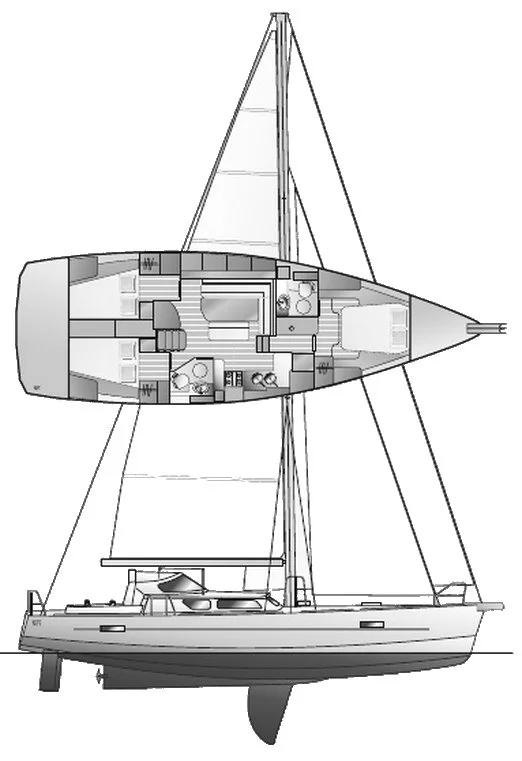
The Ovni 36 is one entry in Alubat’s long-running Ovni range of aluminum, lifting-keel expedition cruisers, built by the French yard in Les Sables-d’Olonne between 1989 and 2005 to a design by Philippe Briand. Alubat has built the Ovni line since the 1970s on a simple, consistent premise: an all-welded aluminum hull tough enough to shrug off reef contact or a hard grounding, paired with a lifting centerboard that lets the boat dry out on a tidal flat or explore anchorages a fixed-keel boat can’t reach. The yard has built more than 1,600 aluminum sailboats on this philosophy since founding, making it one of the most established names in metal-hull production cruising, not a small custom shop.
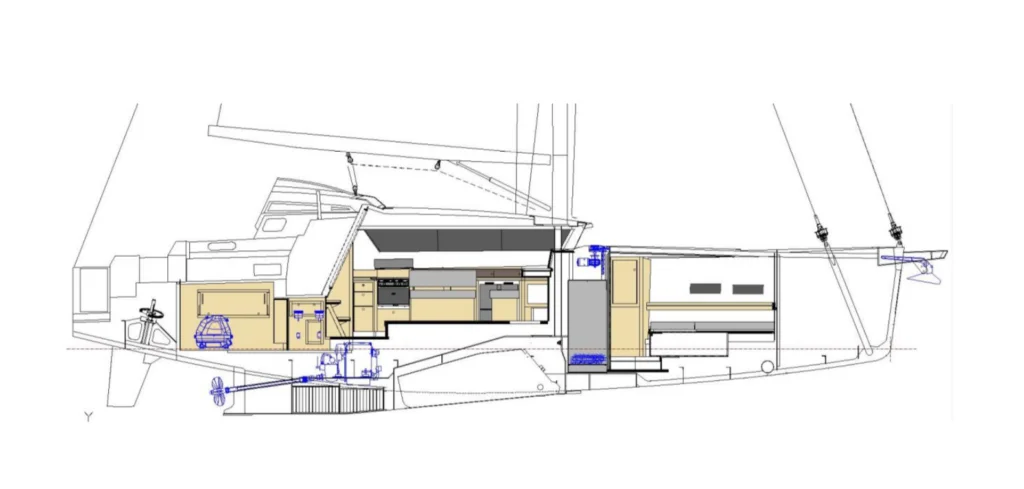
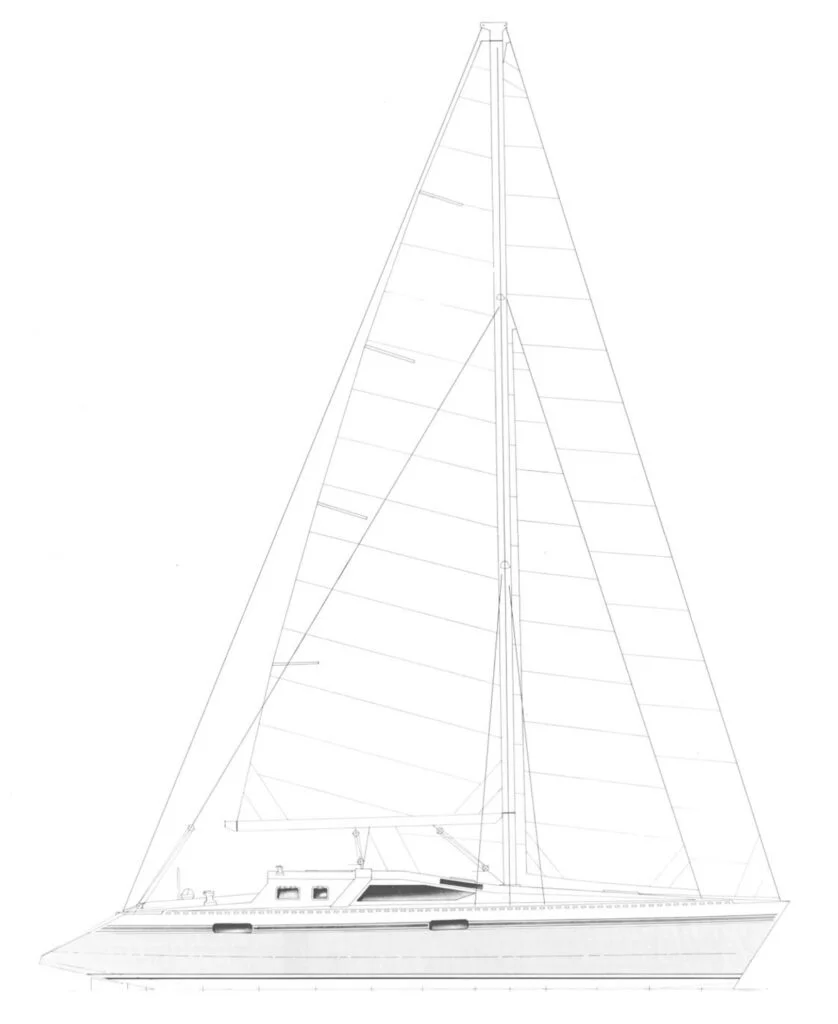
The centerboard is the model’s defining feature: fully down it draws 6.73 ft for good windward performance and stability, and it lifts to just 1.80 ft for shoal water or intentional beaching, a real practical difference from the fixed-keel designs that make up most of this catalog. The hull itself is built from aluminum plate 8 to 10mm thick, welded rather than riveted or bolted, with the deck and superstructure typically 6mm and the cockpit tub 4mm, a construction standard Alubat has held to across the range’s history.
Design and Construction
Displacement runs to just over 12,300 lb with a 41 percent ballast ratio, a solidly built cruising boat rather than a light, fast one, consistent with the offshore-oriented brief Alubat designs to across the Ovni range. The cutter rig and lifting keel combine to give the boat real flexibility: keel down for open-water passages and upwind work, keel up for gunkholing or emergency shoal-water refuge. Aluminum construction carries one real, specific maintenance obligation this catalog’s mostly-fiberglass boats don’t share: electrolysis. Stray electrical current between dissimilar metals can corrode an aluminum hull, so sacrificial anodes need regular inspection and replacement, and wiring and paint systems need real attention, not the cosmetic concern gelcoat blisters are on a fiberglass hull.
Under Sail
No specific named Ovni 36 completing an ocean passage was found in this research pass. The wider Ovni marque carries real offshore credentials, though: circumnavigator Jimmy Cornell sailed “Aventura III,” an Ovni 43, around the world over five years starting in 2006, and the marque as a whole is built specifically for the kind of high-latitude, remote-anchorage cruising the Ovni’s reputation rests on. That reputation and the Cornell circumnavigation both concern the marque generally or a different, larger hull, not documented evidence for the 36 specifically.
Buyers Notes
Aluminum construction changes what a buyer needs to check compared to the fiberglass boats that make up most of this catalog: anode condition and replacement history, evidence of stray-current corrosion, the condition of the paint/coating system, and the mechanical condition of the lifting keel and its hydraulic or mechanical lifting mechanism, all matter more here than a typical fiberglass survey’s checklist. None of this means the design is unsound. Alubat’s own construction standards and the marque’s decades-long reputation for genuine expedition-grade toughness are real, but a metal-hull survey from a surveyor experienced with aluminum boats specifically is worth the extra cost over a generic fiberglass survey.