offshoreheavy-displacement

Nicholson 32

Camper & Nicholsons · 1962–1981 · Sloop rig

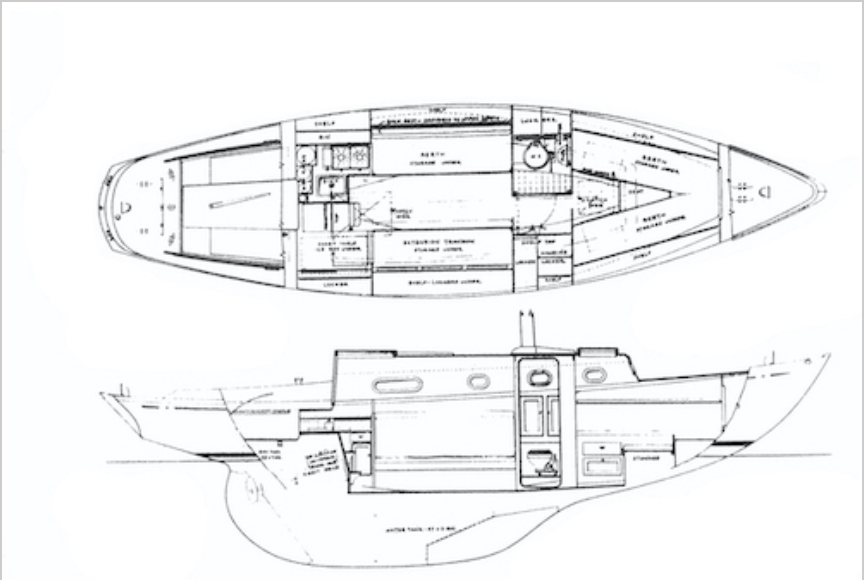
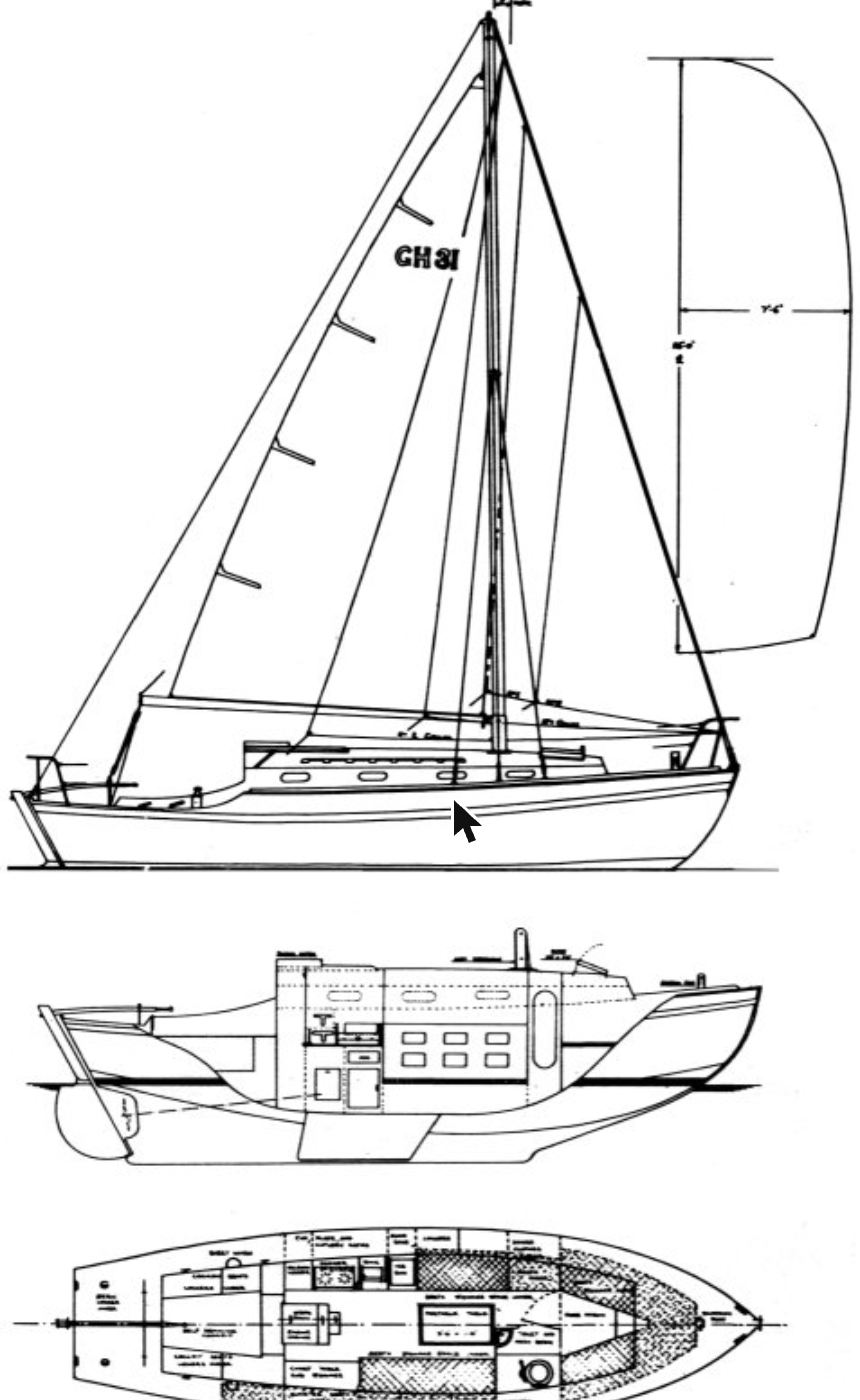
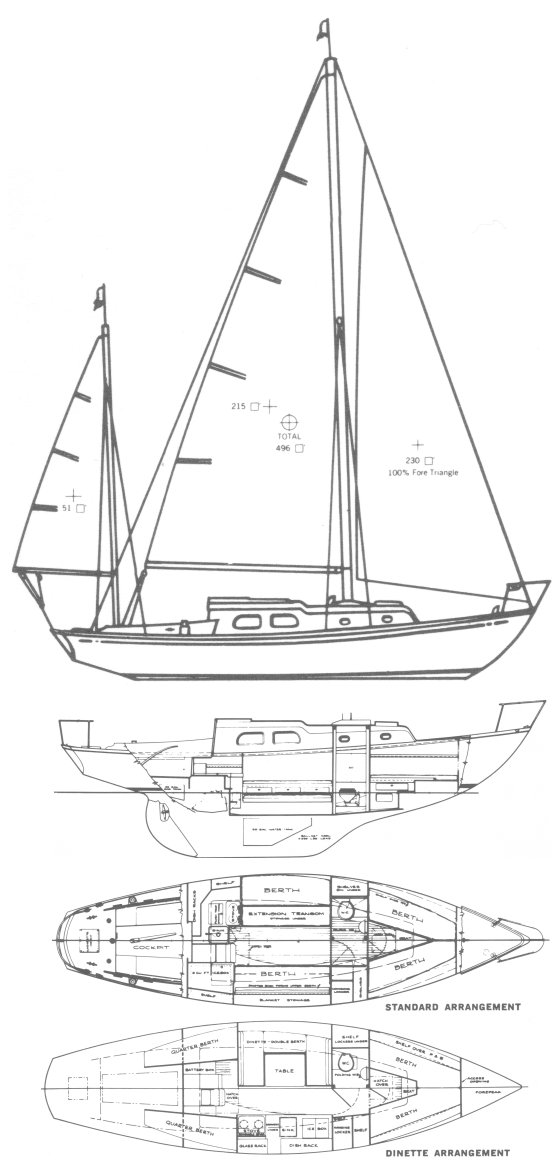
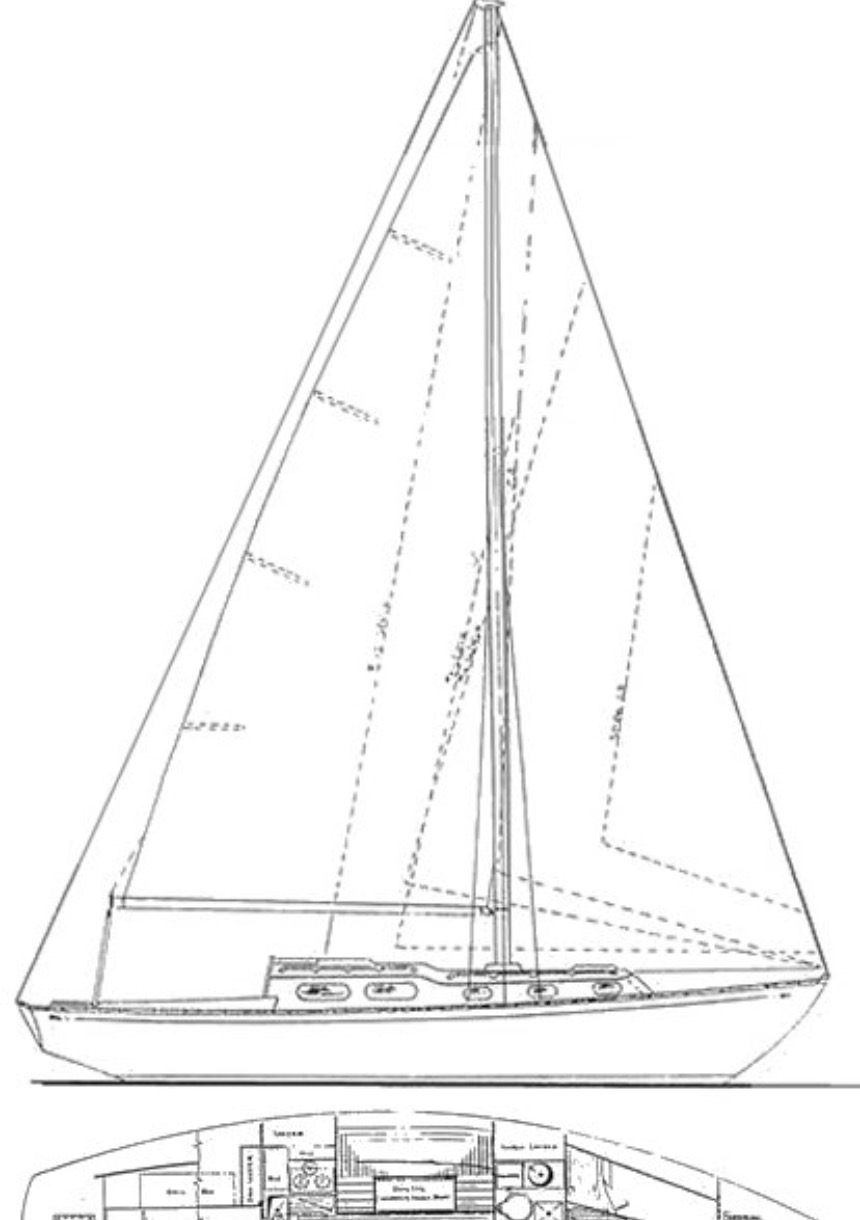
Nicholson 32 profile drawing
LOA32'
Beam9.25'
Draft5.5'
Displ.6.1t
Rigsloop
HullFiberglass

Bluewater Evidence · Ocean Proven

76% confidence

John Neal's Boats to Consider for Ocean Cruising lists the Nicholson 32, rated 2 of 5: 'Very seaworthy but watch for consistent serious blister problems on all models once in warm waters.' Yachting Monthly describes one of the first all-GRP offshore cruisers, stiff and light on the helm, and an owner reports an Atlantic crossing in one.

Overview

The Nicholson 32 is one of the first glassfiber offshore cruisers, launched as a prototype in 1963 and built through about ten marks until the early 1980s. Halmatic moulded the hulls in Portsmouth and Camper & Nicholsons fitted them out. The design grew out of Charles Nicholson’s South Coast One Design.

Design and Construction

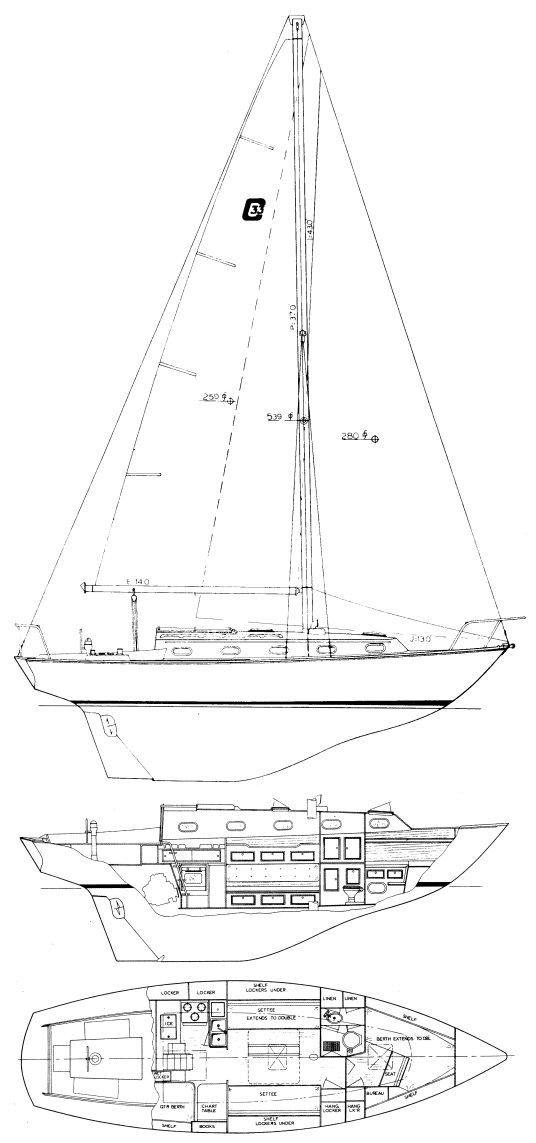
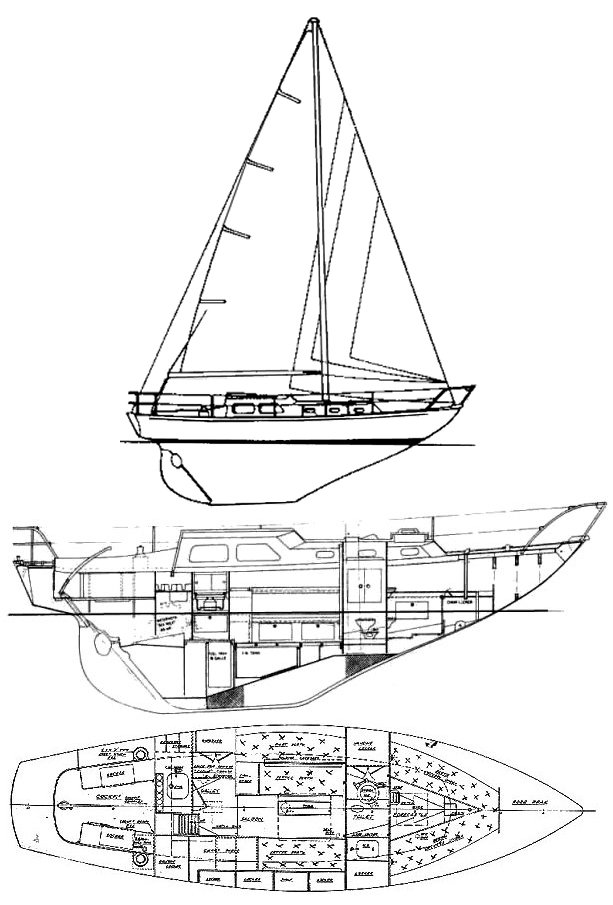
The hull is entirely GRP, with hull, deck, ballast, bulkheads and furniture bonded together, and a long keel carrying about half the boat’s weight as ballast. The rudder is a large barn-door blade that can give a little weather helm. The Mk X raised the freeboard by three inches and stretched the boat to about 33 ft. Yachting Monthly counts 11 marks. The Mk I (hulls 1 to 6) had mahogany joinery and individually built furniture, the Mk II brought aluminium spars, and the Mk IV (41 to 87) added a cockpit sole engine hatch, U-bolt chainplates and a teak interior. Hulls 237 to 329 were the Mk X, which got the raised freeboard, a lower coachroof and a centreline companionway, and the quarterberth did not appear until then. In 1977 Halmatic built another 40 Mk XI boats, with GRP furniture modules, a restyled galley and optional wheel steering.

Under Sail

Yachting Monthly found her stiff, happy under full sail, light on the helm and making very little leeway, but not quick, especially in light air. The bluff bow makes close-hauled work hard in a heavy sea, and she tends to yaw downwind. Duncan Kent attributes her comfortable motion to heavy displacement, long overhangs, a full keel and a 50 percent ballast ratio. All models are masthead rigged with a relatively short mast and stout shrouds, and the Mk II onward had silver anodised Proctor masts with a single set of straight spreaders. Some boats had an optional, often removable, inner forestay for a storm jib.

Buyers Notes

Check for osmosis first (see Known Issues). Early boats can have deck crazing around stanchion sockets, and some deck joints and stemhead fittings have parted. Original Watermota engines have often been replaced.

Below, the water and fuel tanks sit above the keel, which leaves stowage under the bunks. Early boats had twin forepeak berths, two 6 ft 4 in straight settees and a pilot berth, and headroom is 6 ft through the saloon and galley. The original galley had a non-gimballing Primus stove and a single sink with a hand pump, and most have since been upgraded. On deck the side decks are wide and uncluttered, with high coamings and raised teak-capped gunwales that give good foot bracing. Boats built before 1972 have a molded recess for a Danforth anchor that intrudes into the forecabin.
Passage records

Caribee· Randy and Cheryl Baker2008

Panama Canal then across most of the Pacific to Tonga

Sailed across most of the Pacific in 2008, reaching Tonga; 25-year cruise later told in the book Half Fast

Owner-reported.

Source: Good Old Boat: How to make a water maker, Part One (Randy Baker)

Rivoli1967

Sydney Hobart (1966, 1967)

Finished 2 times in the official results.

Source: Rolex Sydney Hobart 1967 results

Known Issues

OsmosisseriousPassageBoats editorial

Neal warns of consistent serious blister problems on Camper Nicholson boats in warm waters, and Yachting Monthly says osmosis is common and epoxy treatment may only control it for about ten years.

Inspection: Survey the hull for osmosis and check the treatment history; price any remedial work into the purchase.

Source: Yachting Monthly - Nicholson 32

Documented repairs and system-specific fixes reported for the Nicholson 32, drawn from known-issue write-ups and video transcripts.

Repairs Documented on Video

⚙ propshaft seal⚙ rudder⚙ boom gooseneck⚙ exhaust hose

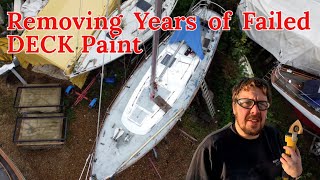
The owner of a Nicholson 32 Mark I, a boat in production from 1963, summarizes the first months of his refit. The hull was stripped almost to the fiberglass and repainted with two-part polyurethane. The propshaft seal needed replacing, there was play in the rudder system with dodgy fittings, and the boom gooseneck had a crack along it, which he fixed with a donated extrusion. The exhaust hose was rusty and due for replacement.

Sam Sails

How hard can it be? Removing Deck Paint on a 32 Foot SAILBOAT

▶ watch at 1:03
⚙ rubbing strake⚙ hatch

Some of the screws holding the wooden rubbing strake to the hull are loose, some vibrating out under the sander, so he removes them and refits bronze screws. He also finds a hatch with rotten corners that he takes home to replace the wood section, and old holes siliconed rather than filled.

What sailing channels say about the Nicholson 32, quoted from video transcripts with a link to the exact moment. Opinions belong to the speakers; the written review above stays independent of them.

discusses

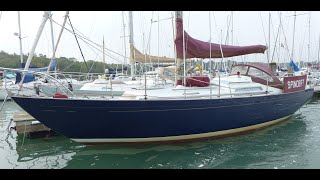
A broker tour of a 1979 Nicholson 32 Mark 10, described as a long keel boat with a keel-hung rudder. The presenter says it had a full osmosis treatment in 2012, a renewed 35 horsepower diesel and a bow thruster, and that the hull is in very good condition. He adds that the wider foredeck and the coachroof design were upgrades over earlier Nicholson 32 generations.

repairs⚙ propshaft seal⚙ rudder⚙ boom gooseneck⚙ exhaust hose

The owner of a Nicholson 32 Mark I, a boat in production from 1963, summarizes the first months of his refit. The hull was stripped almost to the fiberglass and repainted with two-part polyurethane. The propshaft seal needed replacing, there was play in the rudder system with dodgy fittings, and the boom gooseneck had a crack along it, which he fixed with a donated extrusion. The exhaust hose was rusty and due for replacement.

Sam Sails

How hard can it be? Removing Deck Paint on a 32 Foot SAILBOAT

▶ watch at 1:03
warns⚙ gelcoat⚙ cabin roof⚙ windows

While sanding the cabin roof the owner finds the old gelcoat so cracked and crumbly in places that it is lifting, so he removes it along with the paint. He says the paint is down almost to fiberglass in places and that the protective aluminium trim around the windows may need redoing in future.

Sam Sails

How hard can it be? Removing Deck Paint on a 32 Foot SAILBOAT

▶ watch at 6:14
repairs⚙ rubbing strake⚙ hatch

Some of the screws holding the wooden rubbing strake to the hull are loose, some vibrating out under the sander, so he removes them and refits bronze screws. He also finds a hatch with rotten corners that he takes home to replace the wood section, and old holes siliconed rather than filled.

  1. [1]MagazineGood Old Boat: Camper & Nicholsons- Ballast attachment: "The lead keel was encapsulated within the hull molding."
  2. [2]SpecificationsNICHOLSON 32 - SailboatData.com- Dimensions, displacement, ballast, sail area, keel, rig, production years and number built.
  3. [3]ReviewYachting Monthly - Nicholson 32: an ocean-going pedigree that lasts (Duncan Kent, 2021)- Independent used-boat review: history and marks, keel, construction, sailing and what to check.
  4. [4]EditorialJohn Neal - Boats to Consider for Ocean Cruising (Mahina)- Lists the Camper Nicholson 32, rated 2 of 5.
See something wrong? Suggest a correction

Corrections need evidence: a link or citation we can check. Sourced suggestions get reviewed and credited in the entry's change notes if applied.

Owner knowledge counts: name the boat and year so we can attribute it.