Overview
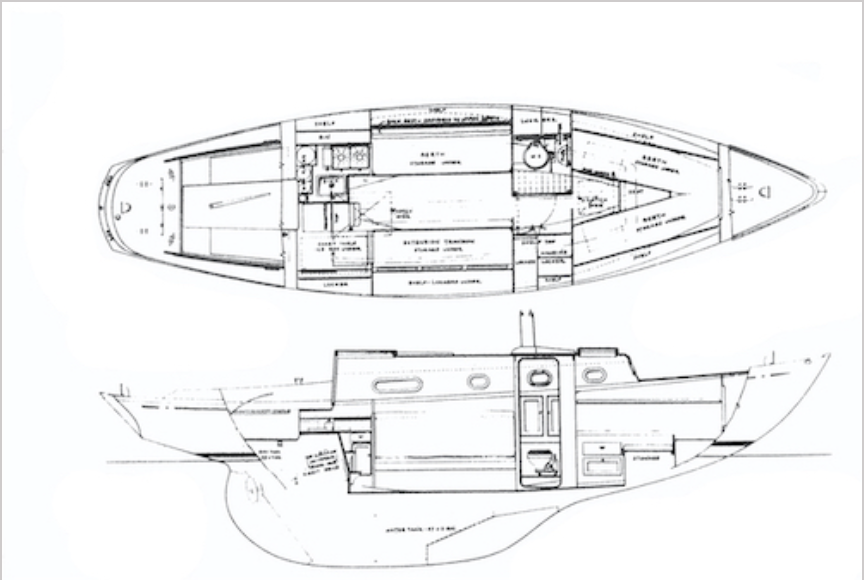
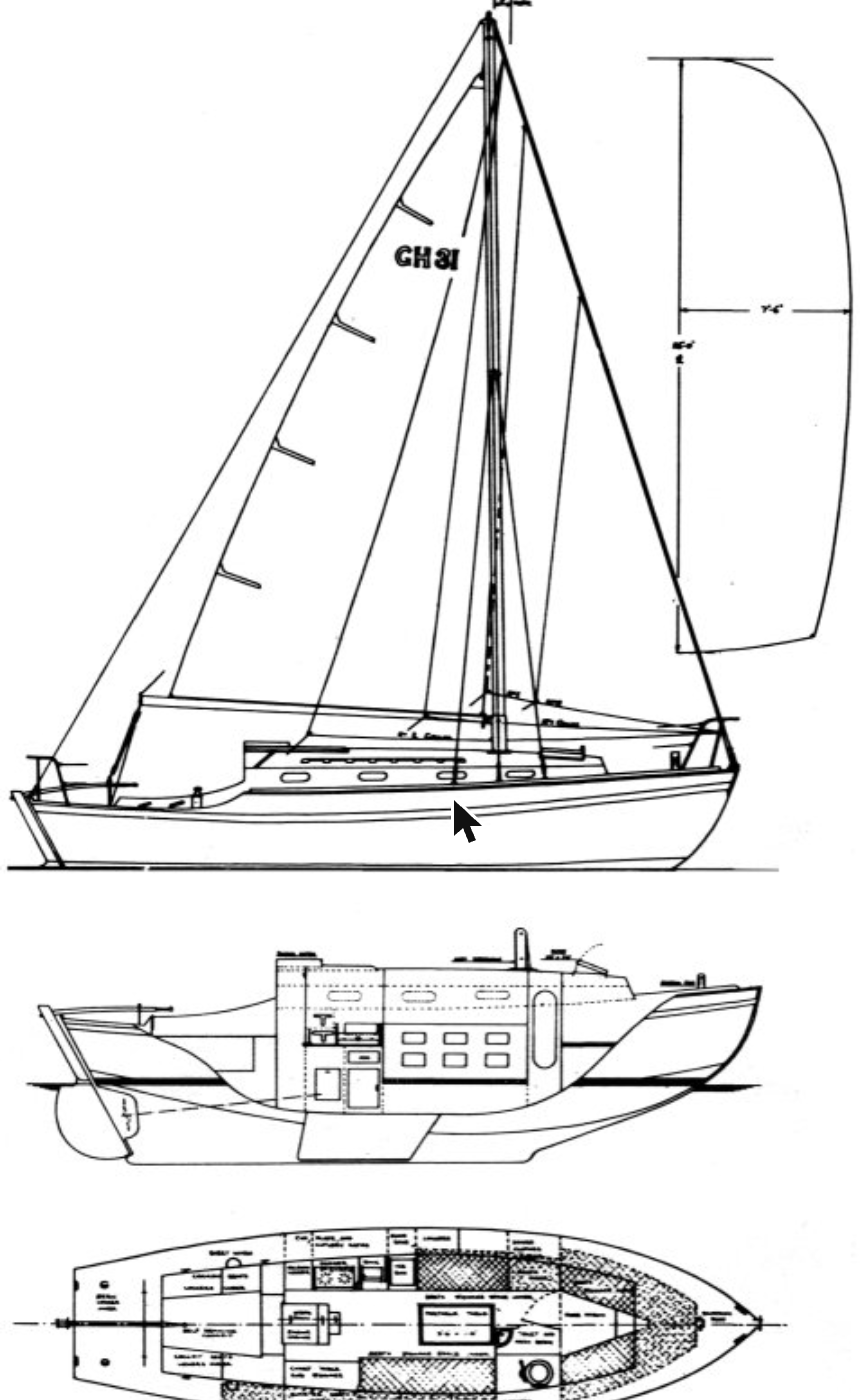
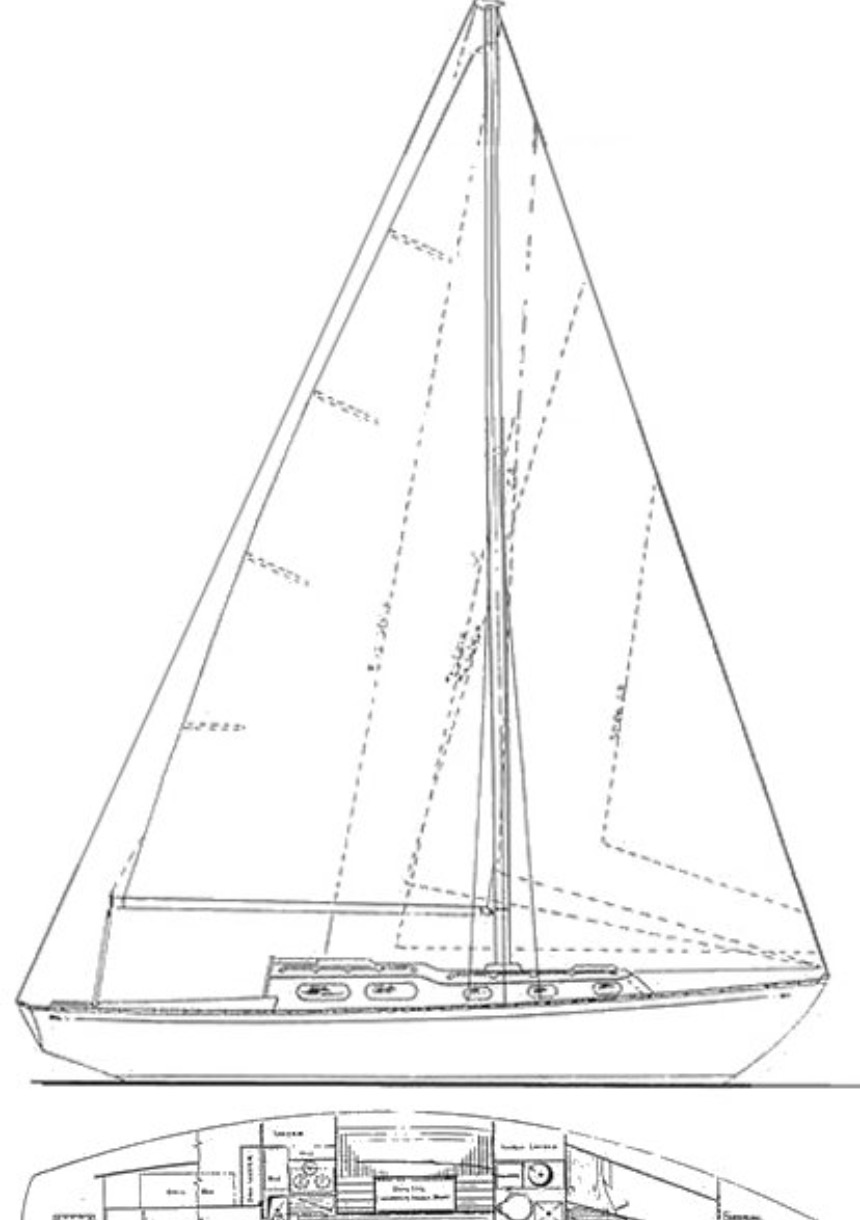
Bill Luders drew this 33-footer to the CCA rule conventions of its era: long overhangs, a narrow beam, and a graceful sheer over a full keel, the same design language that shaped his 1964 America’s Cup defender candidate American Eagle. Allied Boat Company of Catskill, New York, built 107 of them between 1966 and 1974, making it a modest but respectable production run for the period.
History
Luders, a naval architect and former boatbuilder in his own right, also designed the Sea Sprite 34 and a fleet of 44-foot yawls for the U.S. Naval Academy. Allied Boat Company built the 33 through the late 1960s and into the mid-1970s before the company’s financial troubles set in during the early 1970s, a decline that continued until Allied finally closed in 1981.
Design and Construction
The hull is solid, hand-laid fiberglass, heavier than later designs of similar length: independent reviewers note the boat’s weight apart from ballast runs to roughly 8,000 lb, reflecting a construction philosophy that leaned on generous fiberglass scantlings rather than refined engineering, sturdy if not always tidy below the waterline. A raised cabin trunk with large windows, a popular styling choice for production boats of the era, adds headroom, light, and cockpit protection. As Allied’s fortunes declined through the early 1970s, quality control loosened, and independent surveys flag deck and cabintop delamination from the balsa core, inconsistent bulkhead tabbing, and gelcoat crazing as real possibilities on individual hulls, alongside a hull-to-deck joint worth checking closely.
Under Sail
Practical Sailor rates the boat’s manners well within its era and design brief: a comfortable motion, strong directional stability, and genuine ability under mainsail alone, in contrast to the harder-to-balance tall, skinny mains on more modern designs. Performance is modest by contemporary standards, giving away more than 20 seconds a mile under PHRF against a 1968 Tartan 34, and the boat does its best work in 10 to 15 knots rather than light air. Its own most detailed independent review characterizes it as a coastal cruiser rather than a bluewater passage-maker, and no offshore voyage was found documented for this design in this research pass.
Buyers Notes
Because construction quality varied meaningfully across the production run, particularly in later years as Allied’s finances deteriorated, a survey should sound the deck and cabintop thoroughly for delamination, check bulkhead tabbing, and inspect the hull-to-deck joint and rudder hangings closely rather than assume consistency with an earlier or later hull. Most examples originally shipped with tiller steering and small gas auxiliaries (Gray 25 hp or Palmer 27 hp), many since replaced with small diesels; confirm what a given boat actually carries.