offshore

Puffin 42

VMG Yachtbuilders · 2026 · Cutter rig

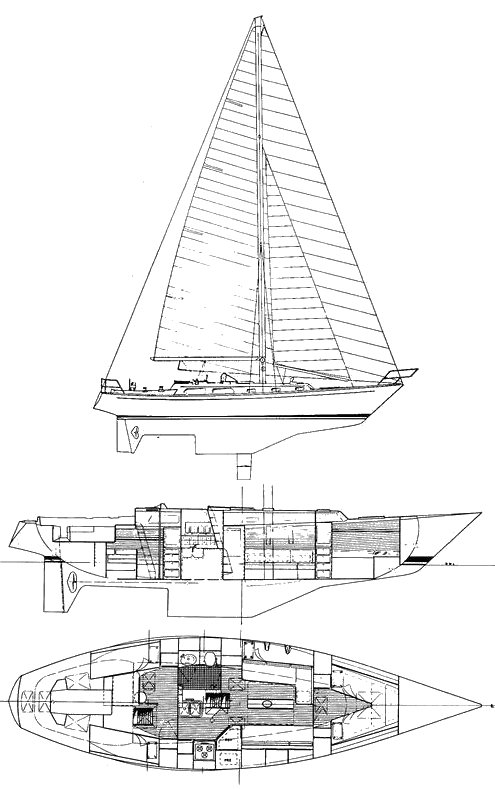
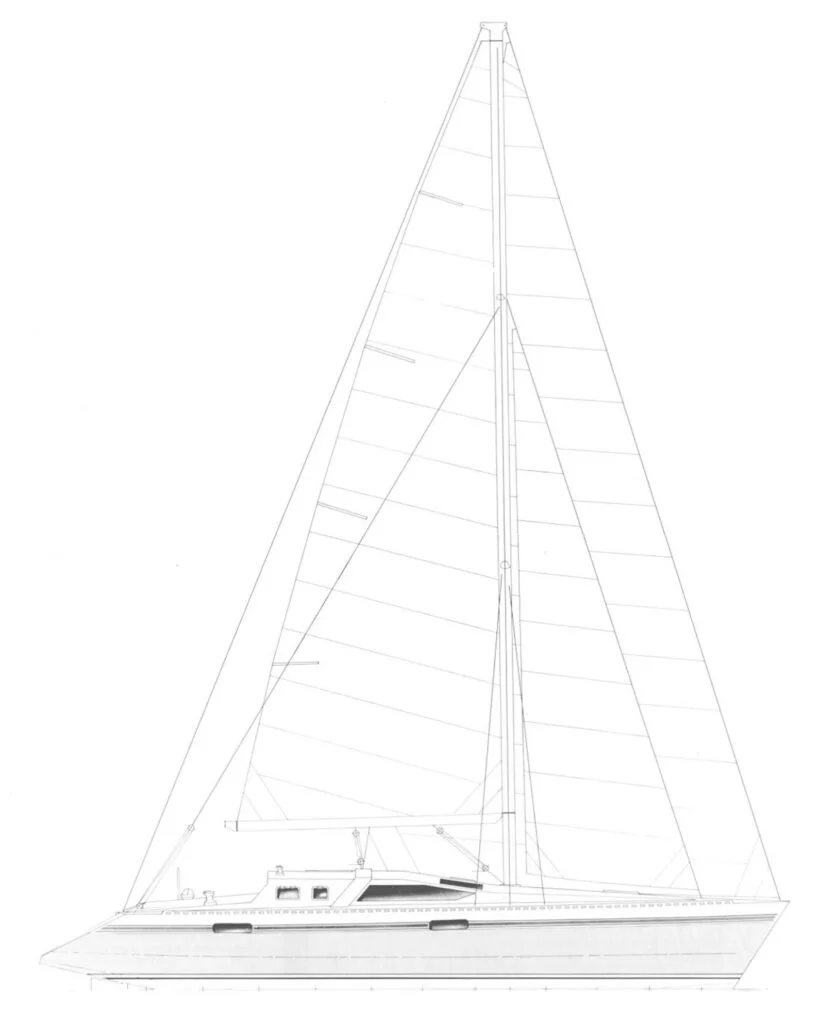
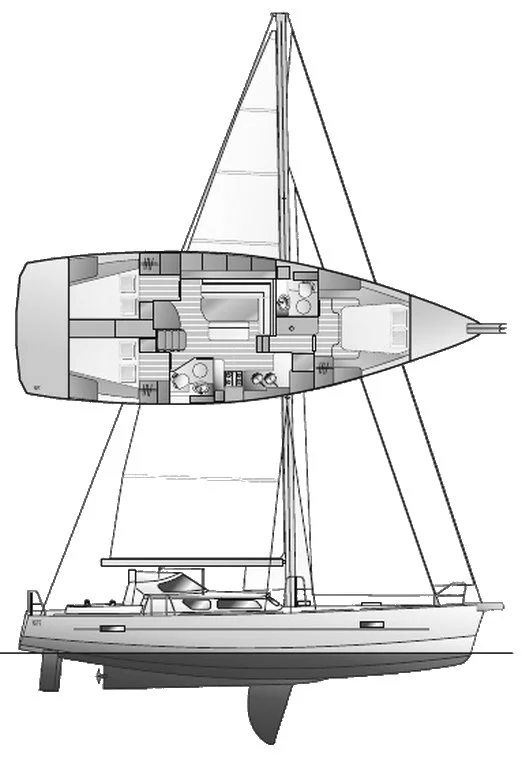
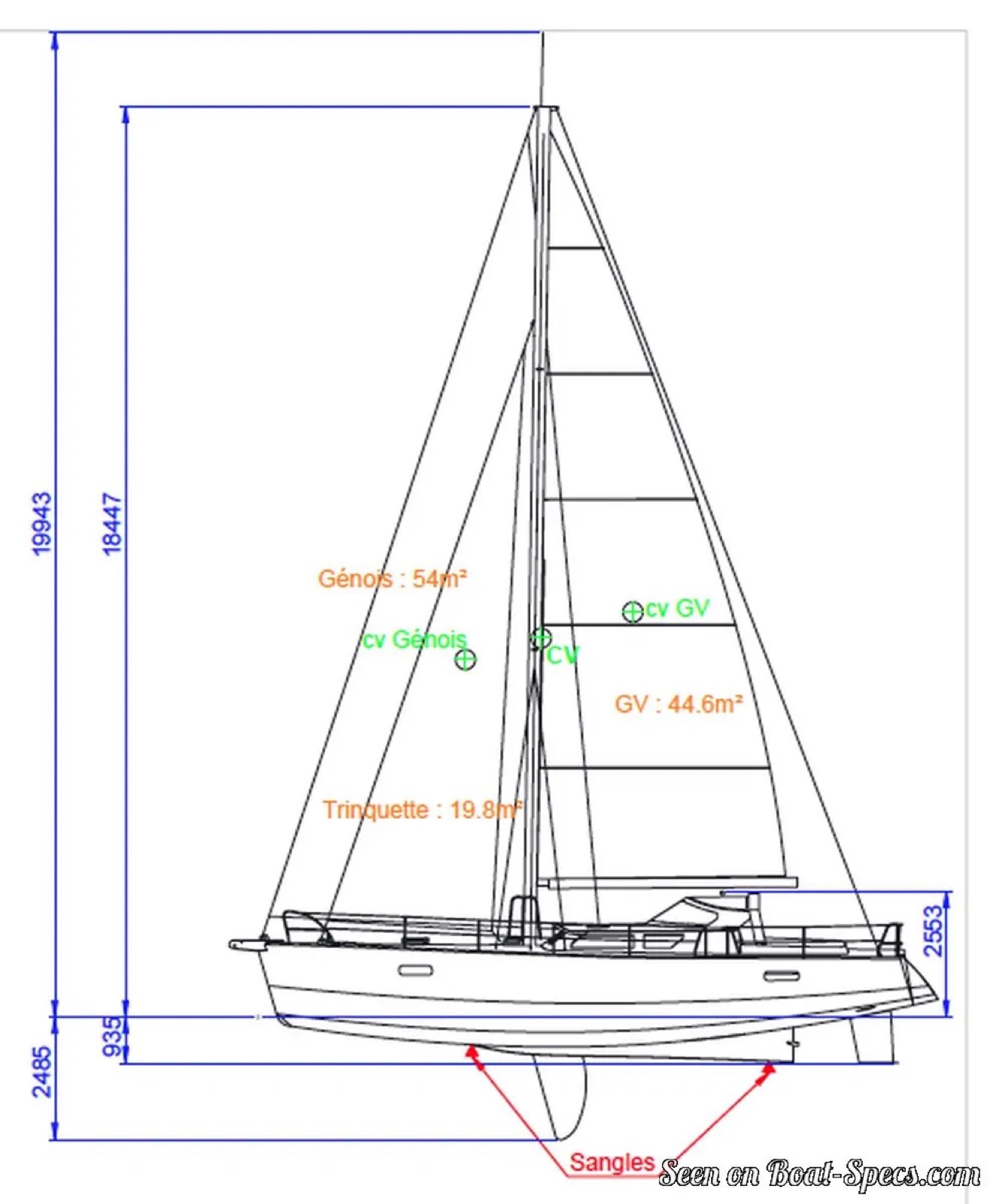
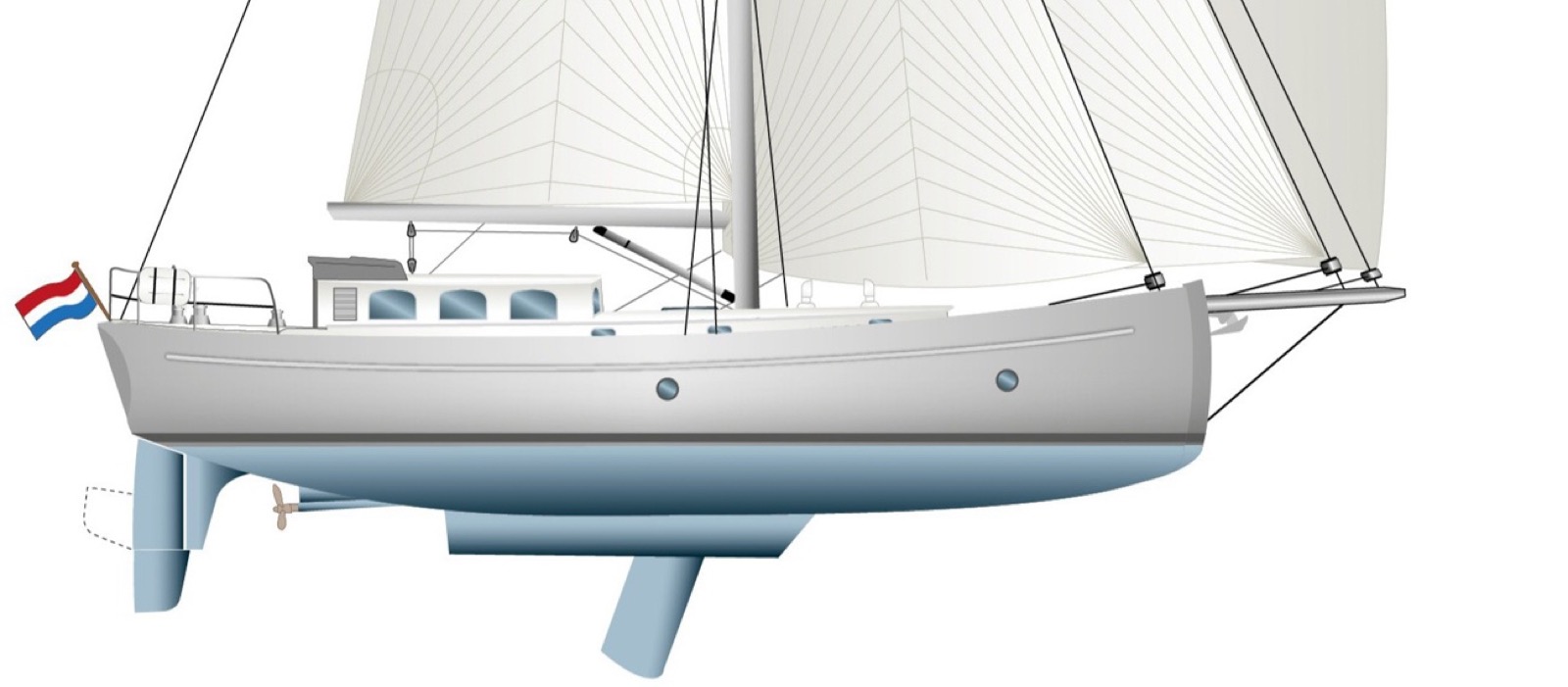
Puffin 42 profile drawing
LOA41.73'
Beam13.78'
Draft7.87'
Displ.17.6t
Rigcutter
HullAluminum

Bluewater Evidence · Ocean Proven

76% confidence

John Neal's Boats to Consider for Ocean Cruising lists the Puffin 42, rated 5 of 5: 'High quality aluminum expedition yachts built in The Netherlands.' The model is new, with the first hull handed over in 2026, so no named-vessel ocean passage is on record for it yet.

Overview

The Puffin 42 is the smallest model in Olivier van Meer’s Puffin range, built by VMG Yachtbuilders in Enkhuizen, the Netherlands, alongside the larger 50 and 58 Explorer. Every Puffin is explicitly semi-custom, “built like a tailor-made suit,” with owners choosing layout, materials, rig, and equipment around a fixed set of signature design elements: a bowsprit, a distinctive window shape, slight negative stern rake, and pronounced tumblehome.

Design and Construction

The hull is full aluminum, round-bilge with a classic heart-shaped transom, at roughly 35,000 lb displacement at half load. A centerboard version (with fixed bulb keel and lead ballast, or an electrically hoisted board with a manual backup) trades draft for shoal-water access, drawing as little as about 3.6 ft with the board up versus 9.4 ft down; a fixed-keel version draws a constant 7.9 ft. The builder reports that of roughly 60 Puffins in worldwide use over 20 years, only a single centerboard hoisting webbing sling has ever needed replacement, a real if self-reported reliability claim. The boat carries CE Category A certification, the EU’s own classification for unrestricted offshore (“Ocean”) conditions.

Under Sail

No named-vessel ocean passage is on record for this new model yet. A larger sibling, the Puffin 50 “Jaleo,” has sailed coastal Iberia and the Mediterranean, and the flagship Puffin 58 Explorer is marketed for ocean and Arctic voyaging; neither is this 42 ft design.

Buyers Notes

As with any aluminum hull, electrolysis and stray-current corrosion are the main long-term maintenance concern, worth checking anode condition and history closely on survey. Because every Puffin is semi-custom, specifications (particularly ballast and draft) vary meaningfully hull to hull; buyers should confirm a specific boat’s as-built figures directly rather than assuming they match the builder’s current baseline spec.
Known Issues

Hull (aluminum electrolysis)moderatePassageBoats editorialAll years

Aluminum hulls are vulnerable to galvanic corrosion from stray electrical current or improperly isolated dissimilar metals. Sacrificial anodes need regular inspection and replacement, and the wiring and paint/coating system matter more here than the cosmetic gelcoat concerns a fiberglass survey focuses on.

Inspection: Check anode condition and replacement history, inspect for pitting or discoloration near through-hulls and metal fittings, and confirm the boat's bonding system properly isolates dissimilar metals.

  1. [1]EditorialJohn Neal - Boats to Consider for Ocean Cruising (Mahina)- Lists the Puffin 42, rated 5 of 5.
  2. [2]SpecificationsPuffin 42 - Puffin (builder's own site)- Full specification sheet: hull length vs. LOA, beam, draft (fixed and centerboard), displacement, ballast, sail area, CE Category A, engine.
  3. [3]SpecificationsPuffin 42: almost ready for sea trials - VMG Yachtbuilders- Confirms this is a brand-new model generation (hull #1 handover planned 2026), the basis for the start year.
  4. [4]ReviewPuffin 42: Aluminium character and a clear long-distance sailing concept - YACHT- Independent magazine review; gives slightly different draft and ballast figures than the builder's own spec sheet.
  5. [5]SpecificationsPUFFIN 42 - De Valk Yacht Brokers- A 2002-built hull sharing the same model name; almost certainly a different, earlier design (this model generation only launched in 2026), so not used for this file's specs. Context only, for the brand's long-standing hull-length-vs-LOA-with-bowsprit convention.
See something wrong? Suggest a correction

Corrections need evidence: a link or citation we can check. Sourced suggestions get reviewed and credited in the entry's change notes if applied.

Owner knowledge counts: name the boat and year so we can attribute it.