Overview
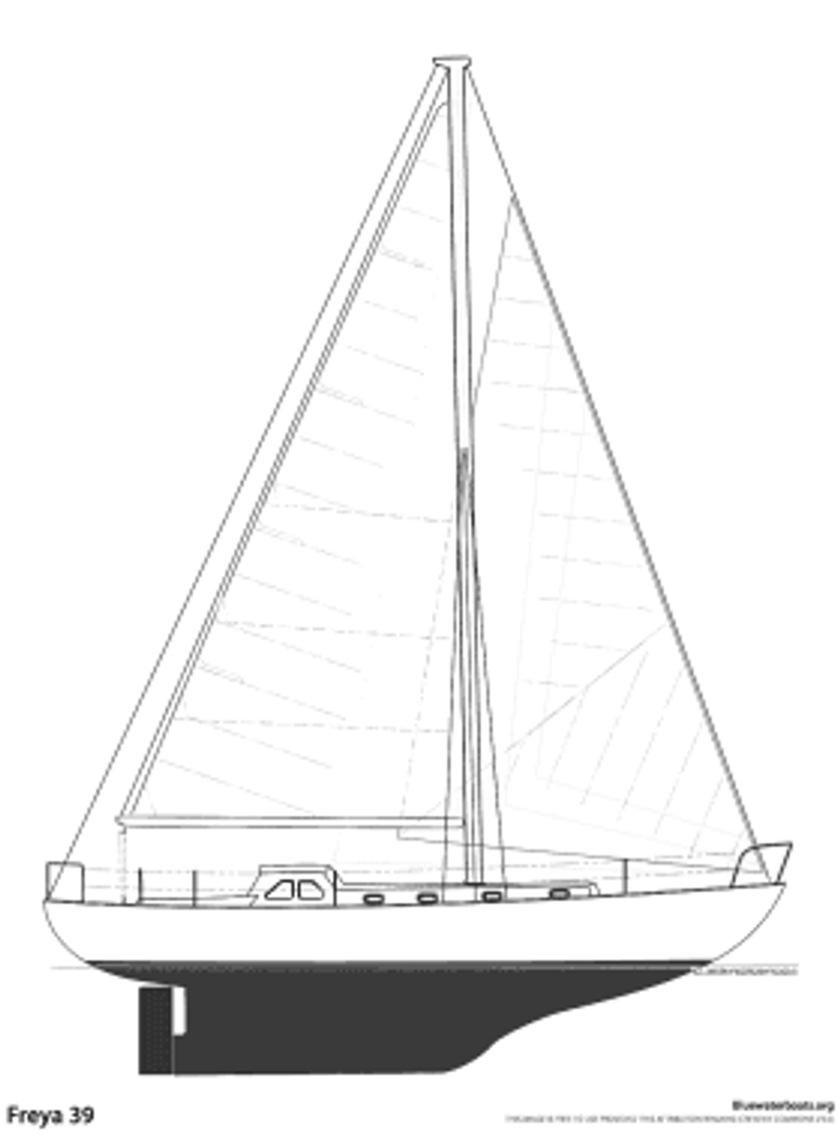
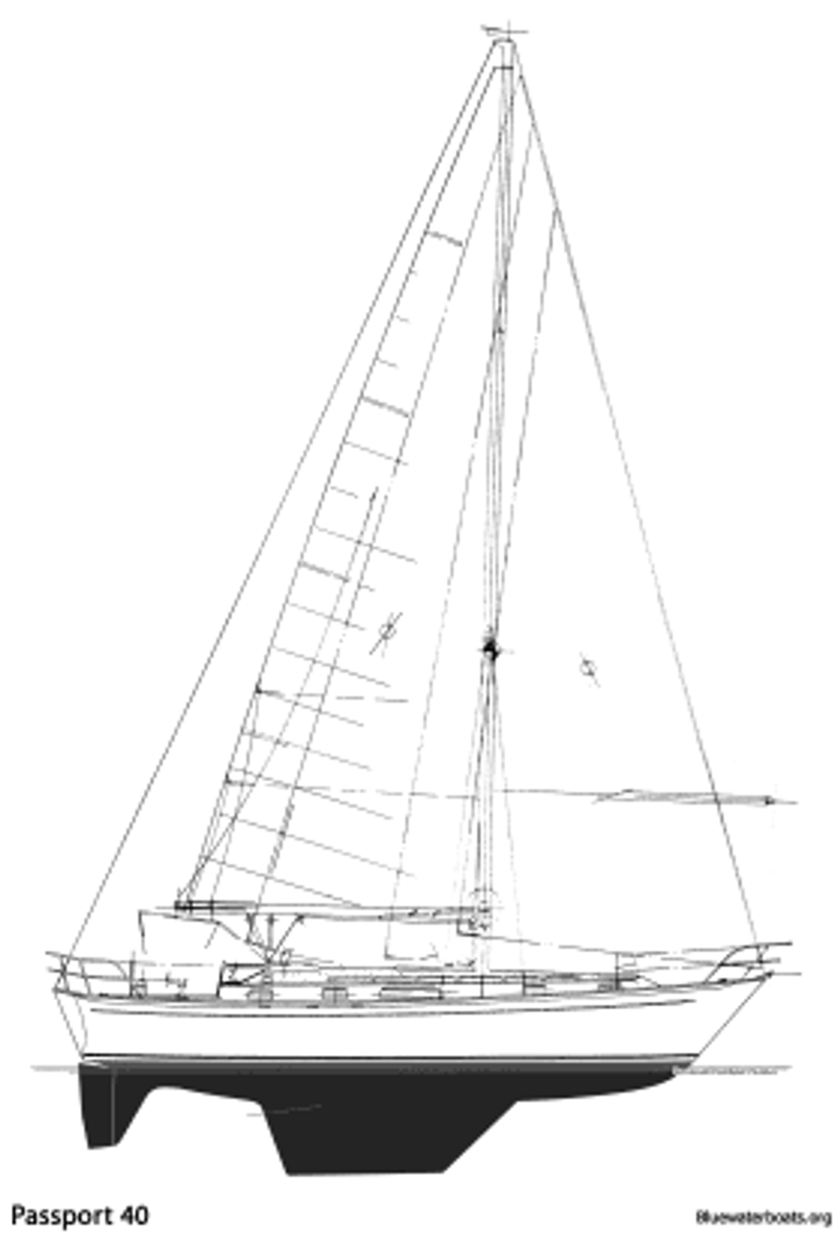
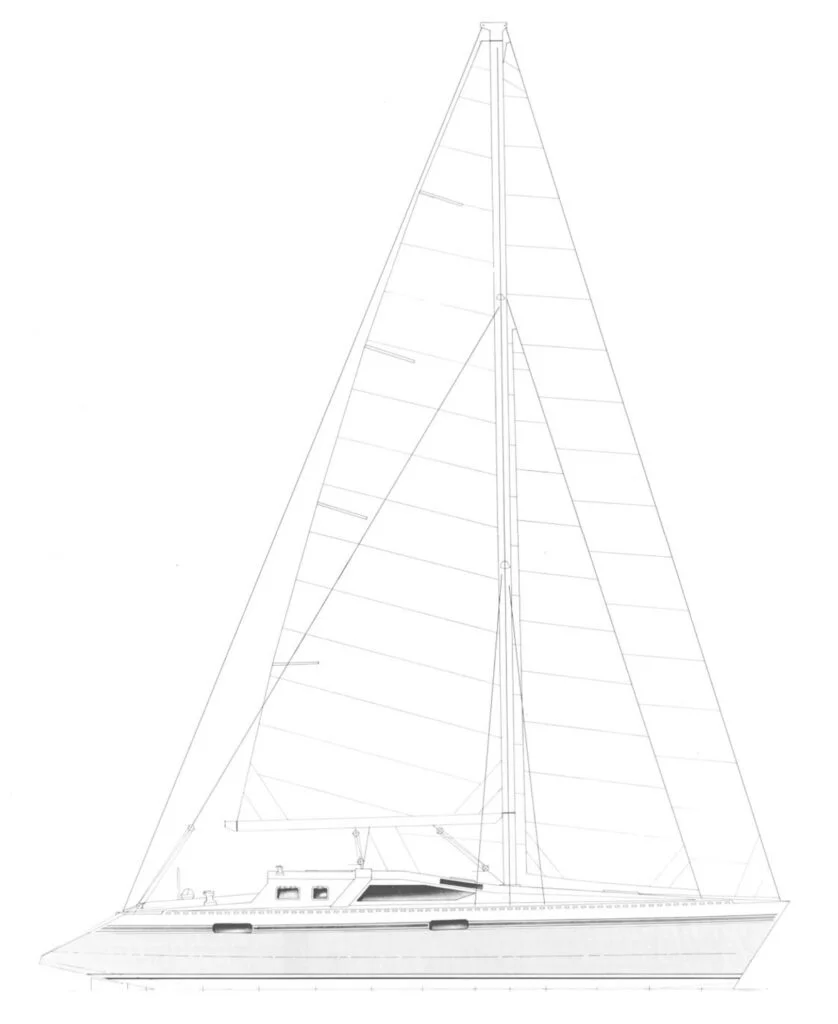
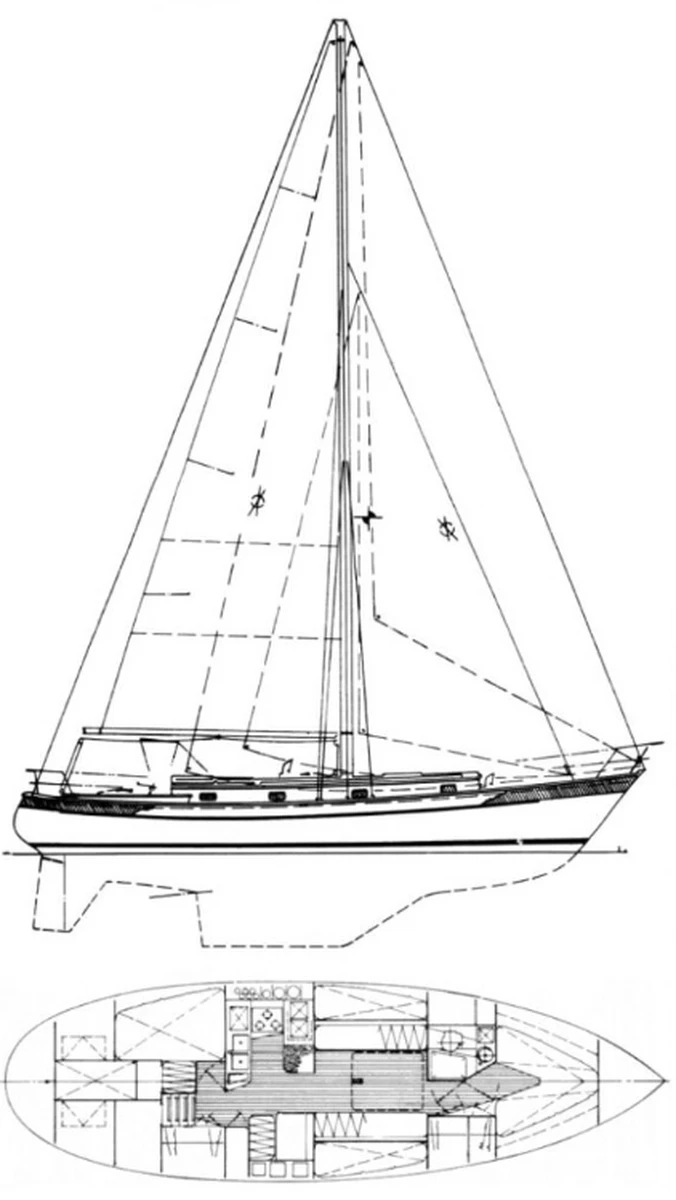
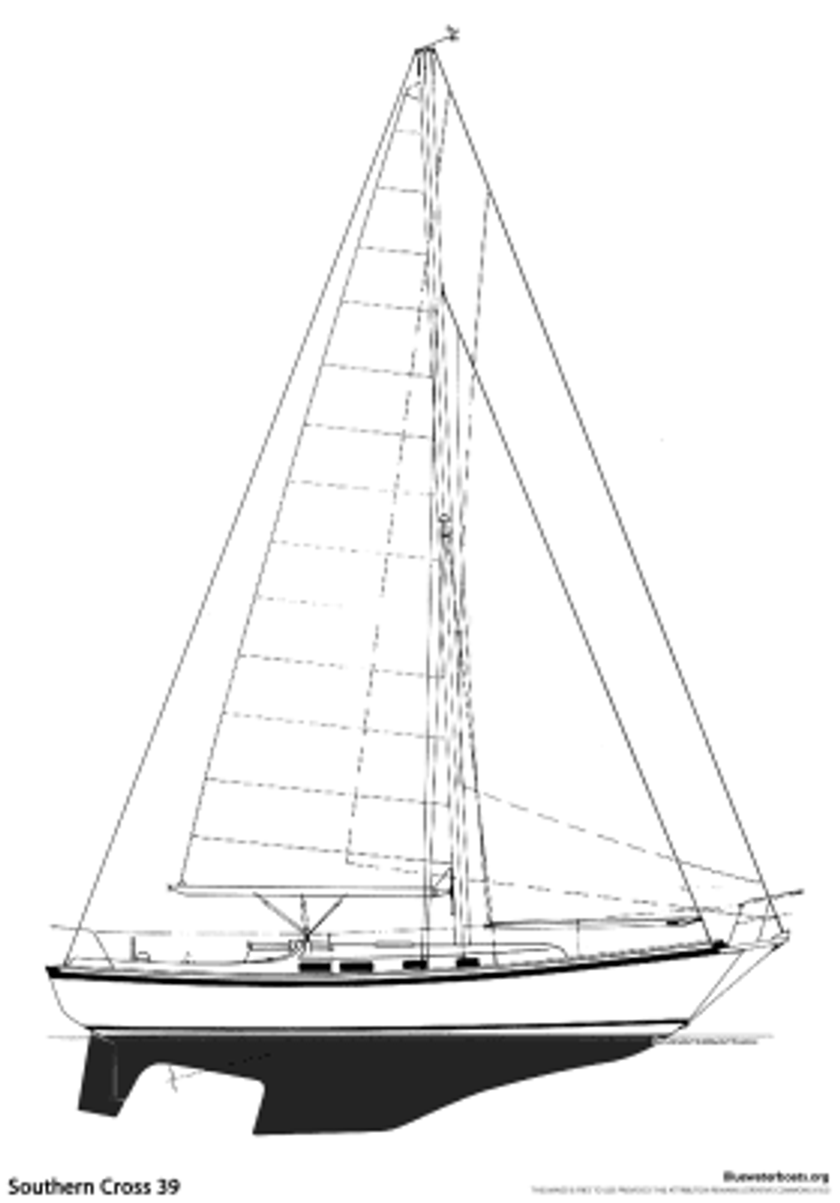
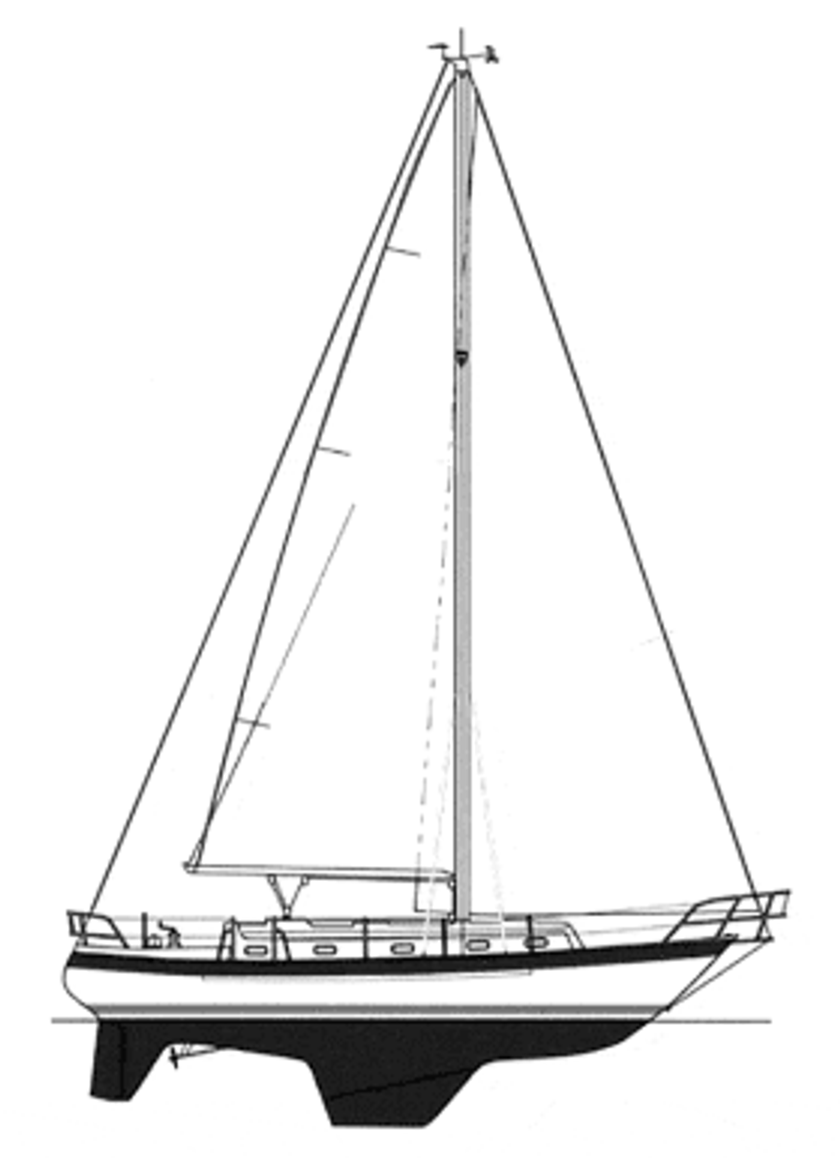
Valiant introduced the 39 in 1995 using the hull of Robert Perry’s earlier Valiant Esprit 37. The new boat received a different deck and coachroof, plus a stainless bowsprit that moved the headstay forward. That change created useful separation between the headstay and inner forestay, making the cutter rig more practical than a closely spaced double-headsail arrangement.
SailboatData records production through 2004. The previous PassageBoats record used 2011, the year Valiant Yachts closed, but no source reviewed here shows the 39 being built until the yard’s final year. The earlier date is now used for the catalog.
Construction
Cruising World’s contemporary review describes a hand-laminated solid fiberglass hull built with isophthalic resin. Floors over high-density foam reinforce the underbody and sump. The external lead keel weighs 7,000 pounds and is secured by eleven stainless J-bolts with backing plates. The deck uses balsa core, with structural foam substituted in high-load areas, and is bolted and bonded to an inward hull flange.
The keel-stepped mast carries two sets of spreaders. Chainplates are bolted to structural knees bonded into the hull. These details describe the original build, not the present condition of a boat that may now be three decades old. Deck moisture, keel fasteners, chainplate knees, mast support, and old repairs still require direct inspection.
Under Sail
The hull combines a fin keel with a skeg-hung rudder. At 18,500 pounds, with 735 square feet of reported sail area, it is a moderate-displacement cruiser rather than a light-air boat. Cruising World’s Boat of the Year trial found a responsive helm, good tracking, and predictable reactions to sail trim in 10 to 12 knots. The review also noted that acceleration was not a strong point.
The cutter plan is most useful when its sails and hardware are set up for actual changes of wind strength. A sea trial should include the staysail, reefed main, and self-steering rather than only a genoa and full main in flat water. No named ocean passage by a Valiant 39 was verified in this research pass, so the design lineage and sea-trial reports support a capable assessment without establishing a passage record.
Accommodation and Systems
Cruising World describes one head aft to port with a separate shower, a double berth in the starboard quarter, and another double forward. The arrangement gives a couple usable sleeping choices without filling the hull with cabins. Published tankage is 47 gallons of fuel and 128 gallons of water. The original auxiliary listed by both current sources is a 35-horsepower Westerbeke diesel.
Tank material and access matter more now than the catalog capacities. The review identified removable alloy fuel tanks aft of the engine and stainless water tanks under the settees. A buyer should confirm that the original tanks remain, check for corrosion and leaks, and make sure later plumbing changes preserve access.
Buyers Notes
Start with the deck core around hardware, the hull-to-deck flange, chainplate knees, and mast step. Inspect keel fasteners and the sump for corrosion, movement, or signs of a hard grounding. Check the bowsprit and both forestay attachments under load.
The 39 offers Valiant construction and a workable cutter plan in a smaller package than the 42. Its limited production makes condition and refit history especially important. Confirm the standing rigging, steering, tanks, electrical work, and heavy weather sail inventory on the individual boat before relying on the model’s family reputation.