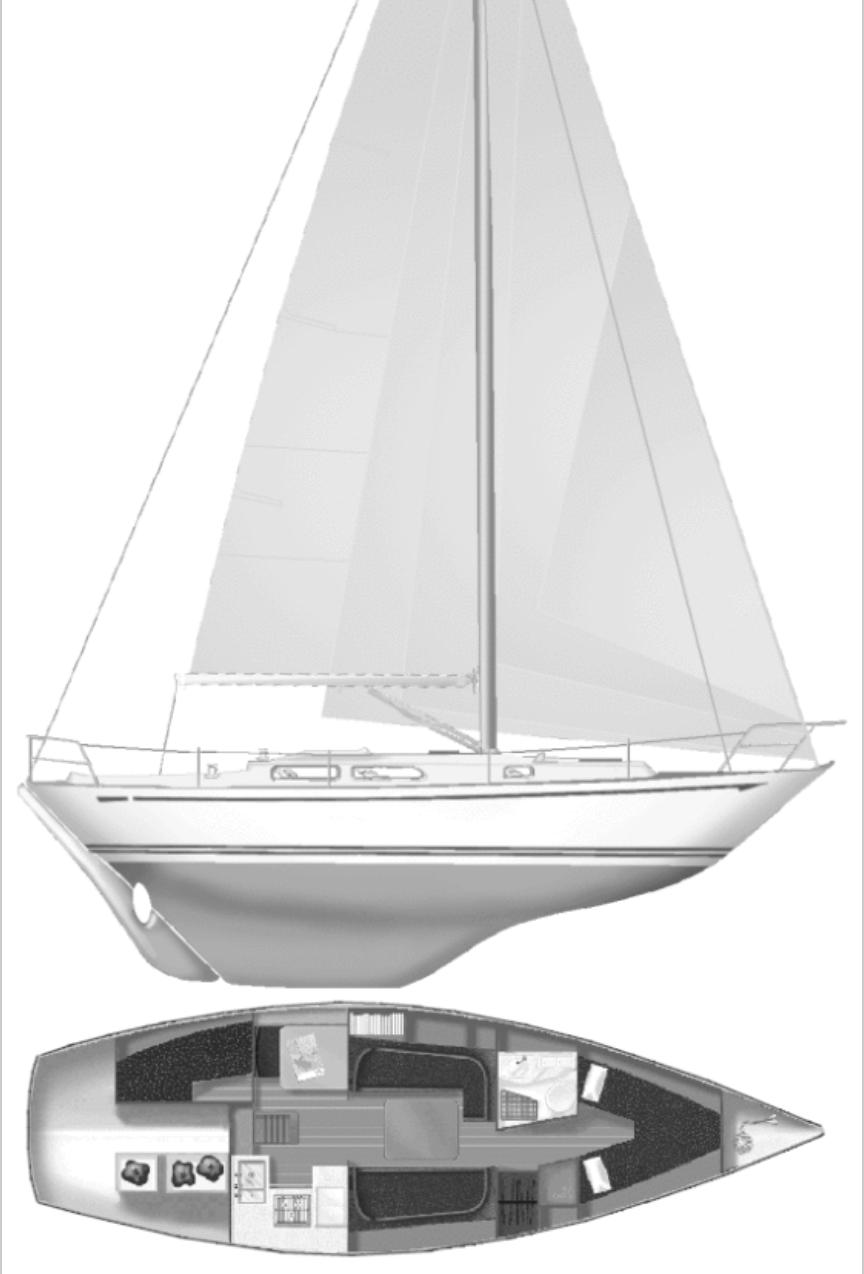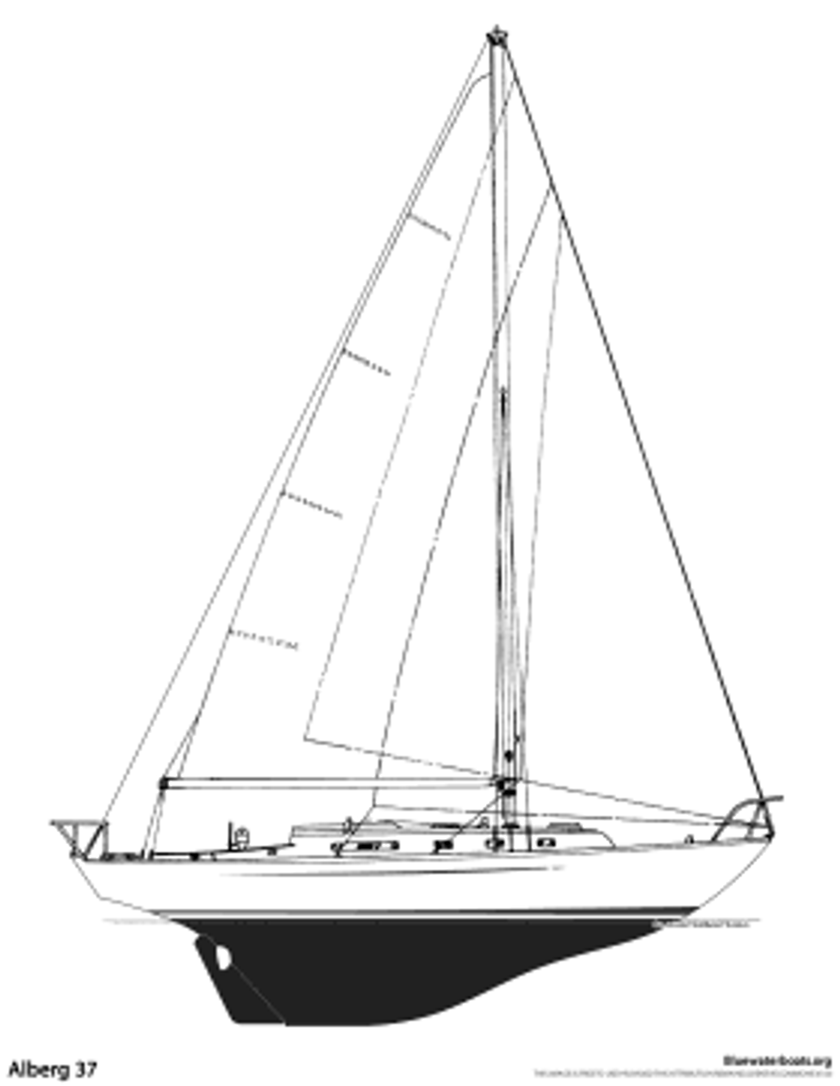
Overview
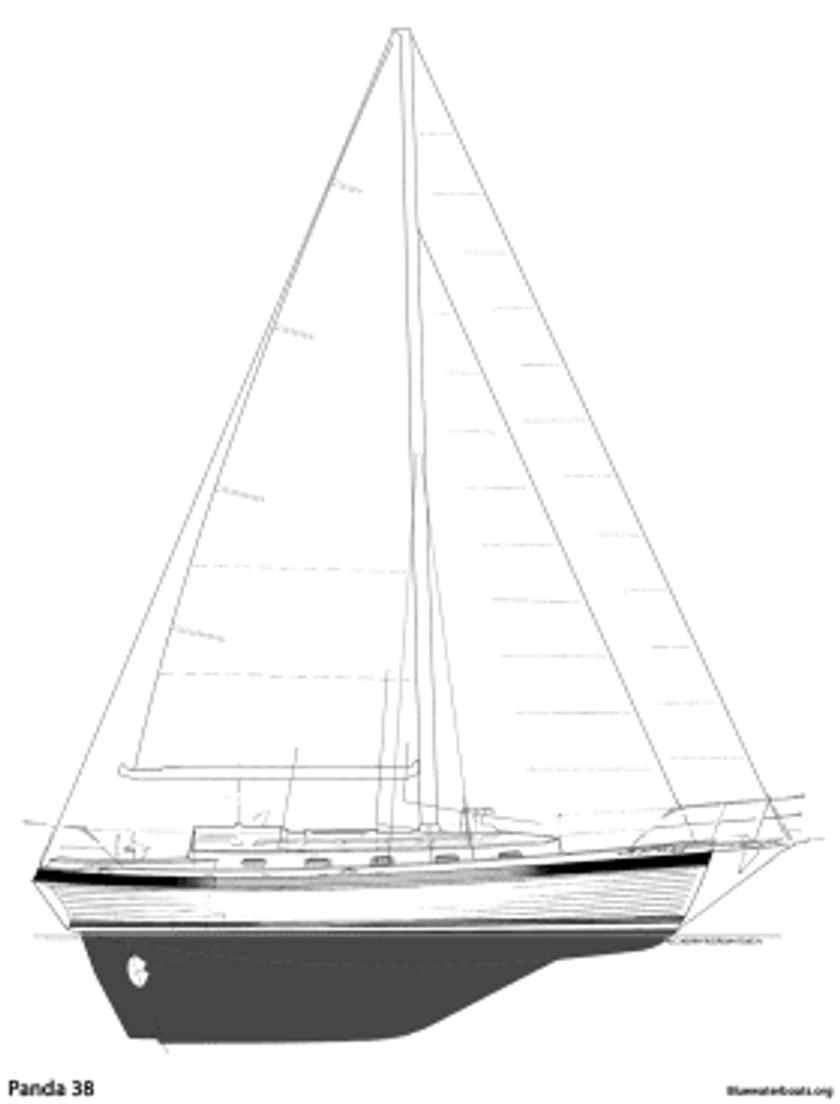
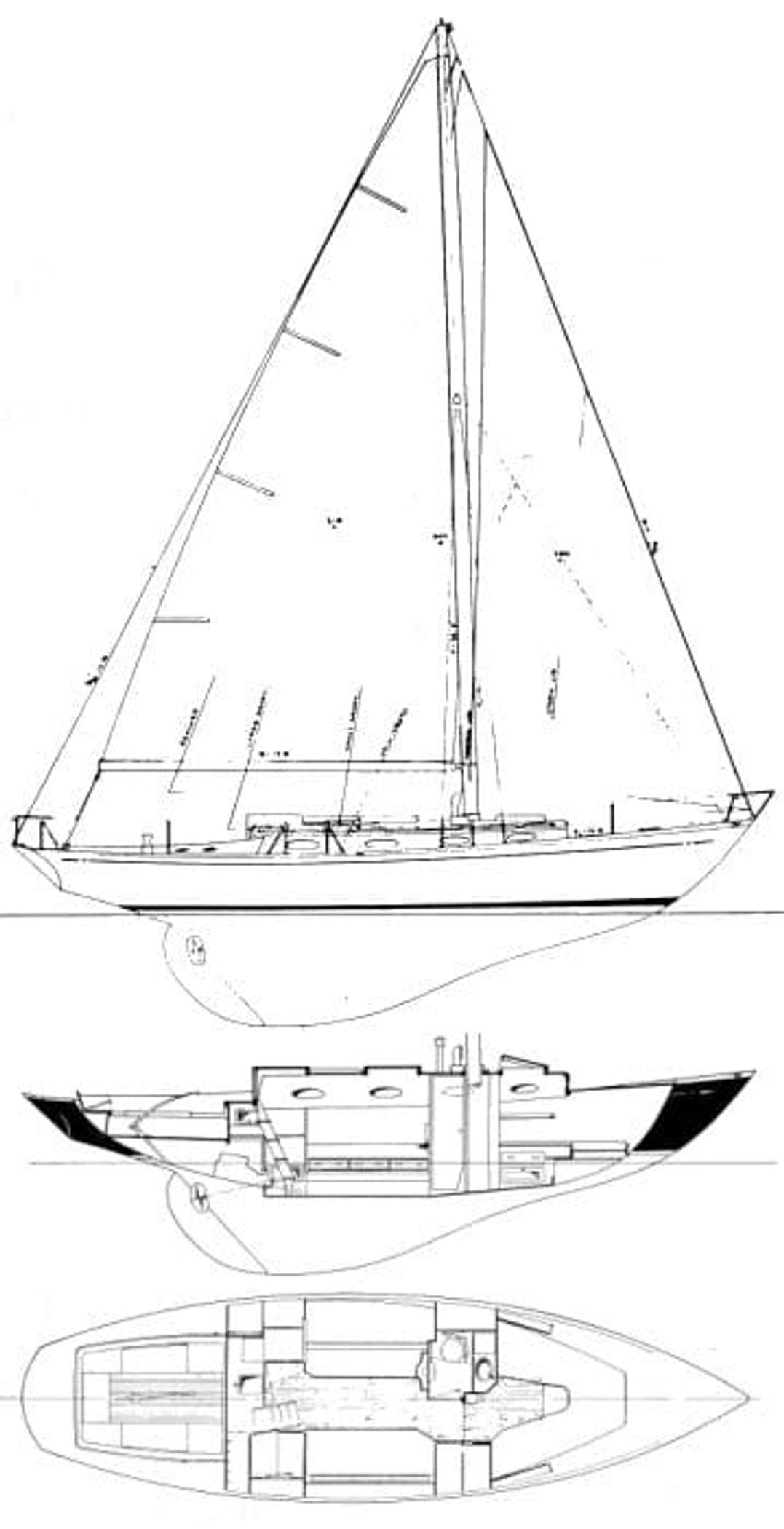
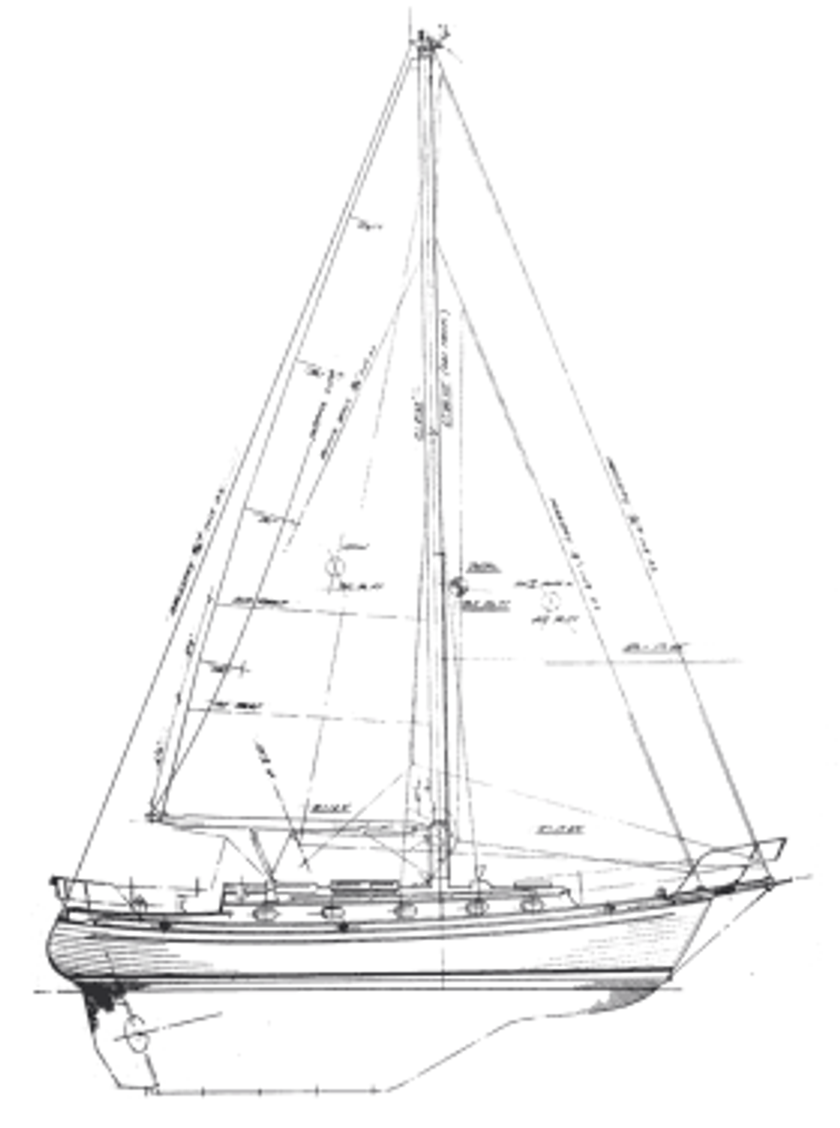
The Alberg 37 is the bigger sister of the popular Alberg 30 and 35, drawn in the mid-1960s by Swedish-born Carl Alberg for Kurt Hansen’s Whitby Boat Works in Ajax, Ontario. Originally conceived as a racer-cruiser, she’s better known today as a medium-heavy displacement bluewater cruiser: strong, seaworthy, and genuinely affordable for what she offers.
History
Introduced in 1967, the Alberg 37 came in sloop and yawl configurations and sold well enough to earn a Mark II update, mostly interior improvements and streamlined production, partway through its run. Whitby Boat Works built 248 hulls before the 1987 recession cut demand and ended production in 1988. She has a strong following in owner communities today, and real offshore credentials to back it: Mark Phelps completed a seven-year circumnavigation aboard hull #42, and during the 1979 Fastnet Race, the Fowle family’s Arion came through winds recorded to 76 knots and towering seas.
Design and Construction
Whitby Boat Works built a genuine reputation for strong hulls, and the Alberg 37 backs it up: Practical Sailor describes the era’s hand-laid solid fiberglass, up to an inch thick at the bilge, as “tank-like,” with core-sample analysis of a 1982 hull showing state-of-the-art fiberglass work for its time. A 1977 hull, Good News, was beached in a hurricane and suffered only minor scratches, and a different Alberg 37 famously struck a coral head near Palmyra Atoll and remained watertight through three days of pounding, needing only cosmetic repairs afterward. The deck is balsa-cored and joined to the hull via an inward flange; ballast is lead, encapsulated inside the keel cavity, which removes keel-bolt inspection from the maintenance list.
Under Sail
The Alberg 37 needs a real breeze to come alive, given her heavy displacement and modest sail-area-to-displacement ratio, but she rewards it with a kind, predictable motion and strong directional stability, the boat can be left to sail herself for minutes at a time without a self-steering unit. She’s not particularly close-winded and can hobby-horse in a chop, but her sea-kindliness genuinely pays off offshore, where reduced crew fatigue matters as much as raw speed. The 646 sq ft sail-area figure belongs to the sloop rig; the yawl’s mizzen adds roughly 40 sq ft more and can double as a riding sail at anchor.
Buyers Notes
Original 23 hp Volvo MD2B or 27 hp MD11C diesels are considered underpowered by modern standards; a 40 hp Westerbeke 4-107 was offered as an option and remains a good repower target if the original engine hasn’t already been swapped for a Beta Marine unit, an upgrade many owners have made for reliability. Check the deck for delamination and stanchion-base crazing, inspect bulkhead attachment to the cabin sole on older hulls, and confirm hatches and portlights have been re-bedded as needed. Confirm whether a specific hull is a Mark I (1967-1971, more wood in construction, better hull accessibility) or Mark II (molded interior pan, longer portlights, improved storage) before buying, since the two differ meaningfully in both maintenance access and interior space.