Overview
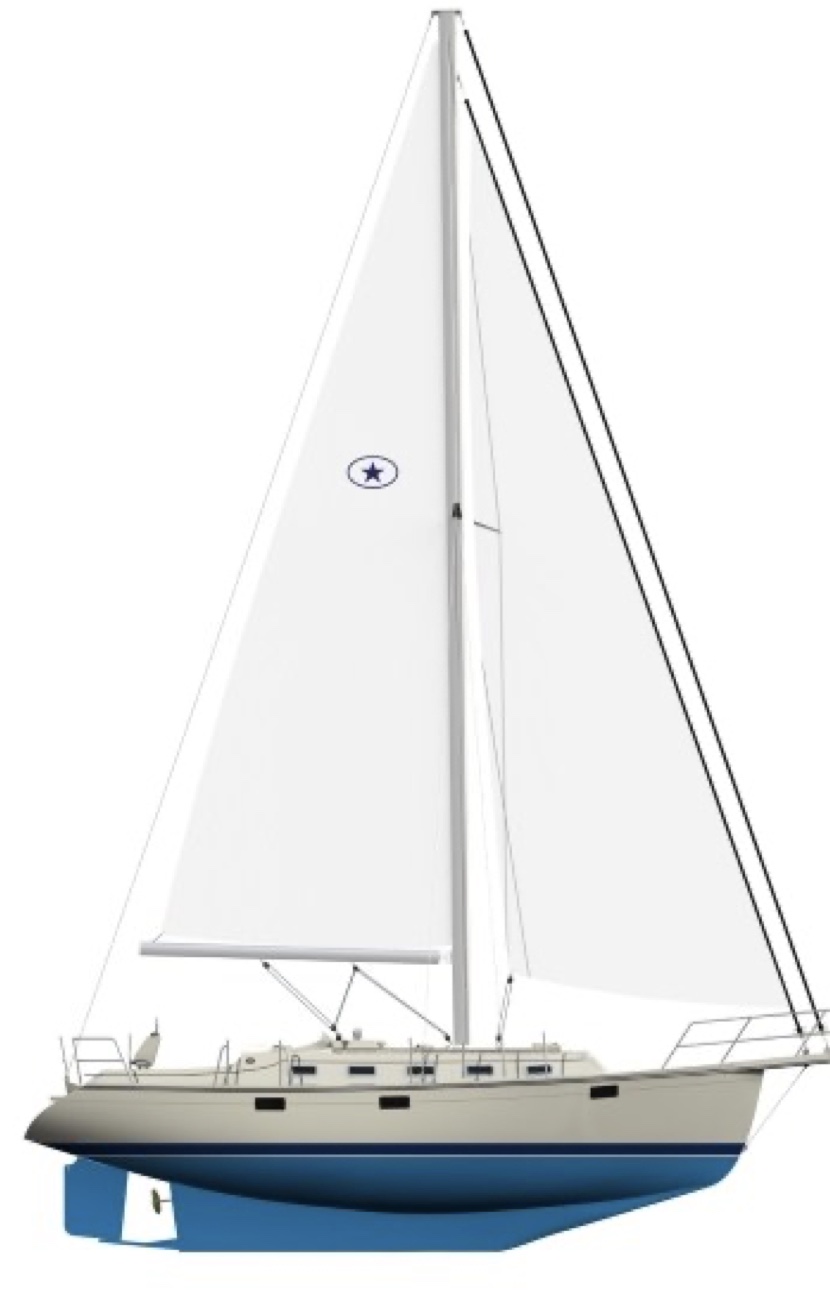
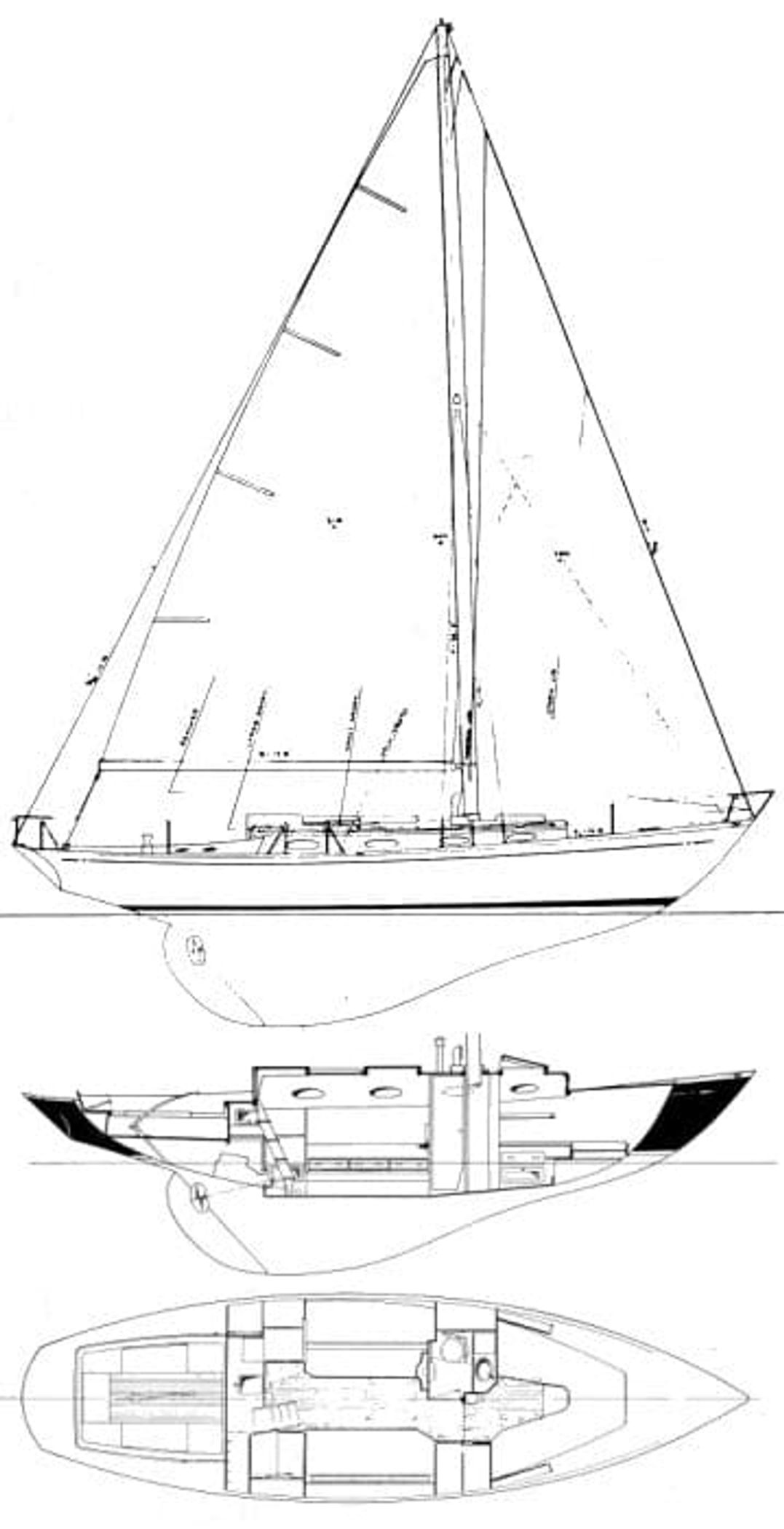
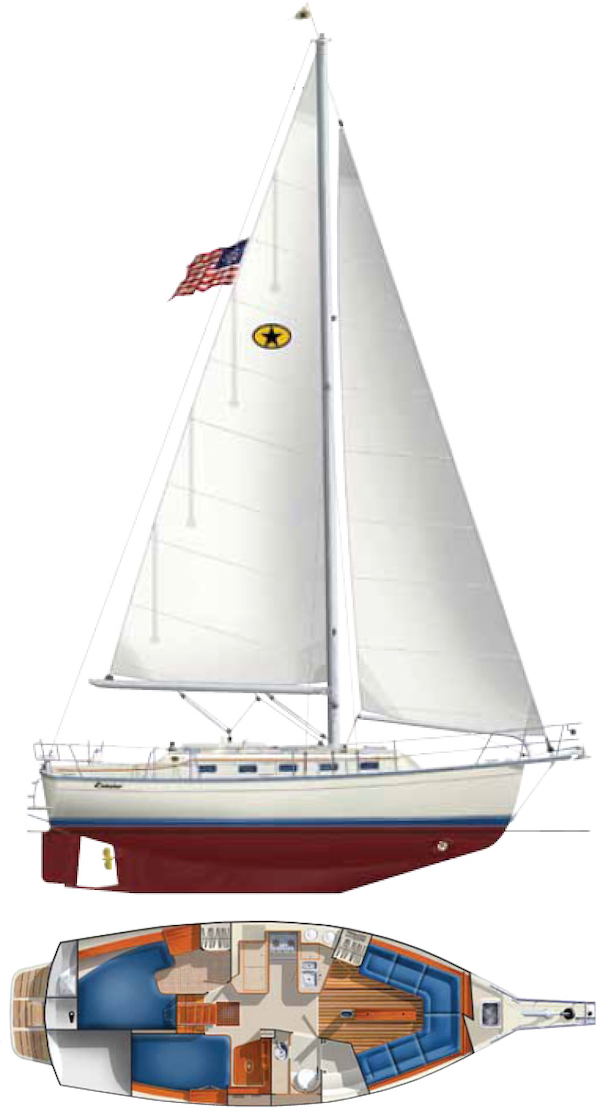
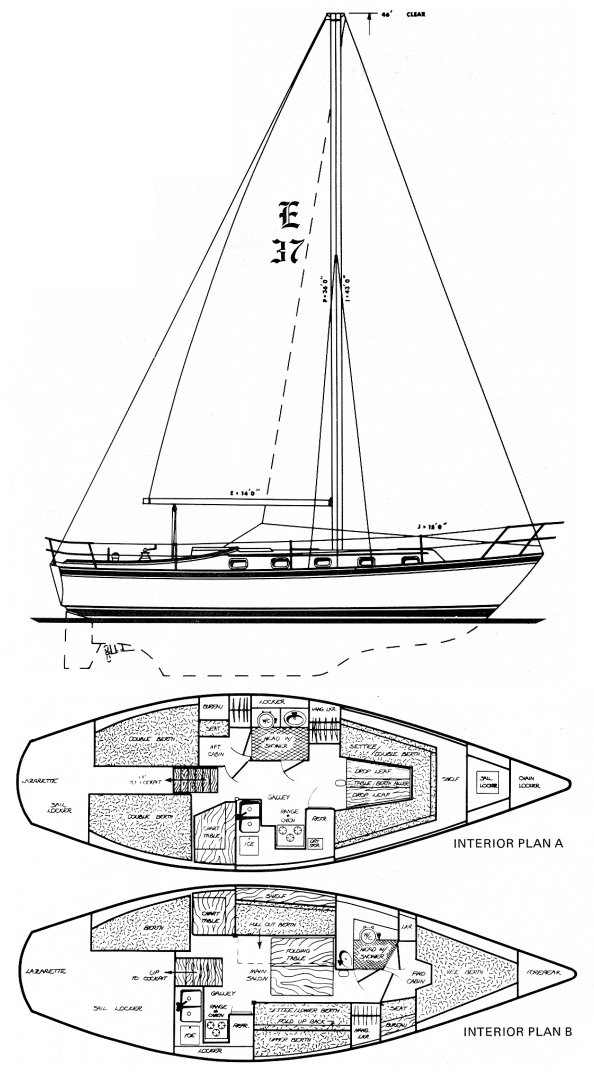
The Endeavour 37 is a Florida-built cruising boat with 4 feet 6 inches of draft and 20,000 pounds of displacement. Endeavour introduced it in 1977 and sold about 476 before production ended in 1983. Sloop, cutter, and ketch rigs were offered, along with different mast heights and an optional bowsprit.
The model grew from an earlier Ray Creekmore hull concept that Dennis Robbins modified for Endeavour. Its shallow draft and high interior volume reflect the builder’s Florida and Bahamas market.
Construction and layout
The hull is a single solid-fiberglass molding. The keel is integral with the hull, with lead ballast contained inside. A contemporary sea trial describes a cutaway forefoot and a notch ahead of the rudder, leaving the propeller and rudder better protected than on an exposed fin-and-spade arrangement.
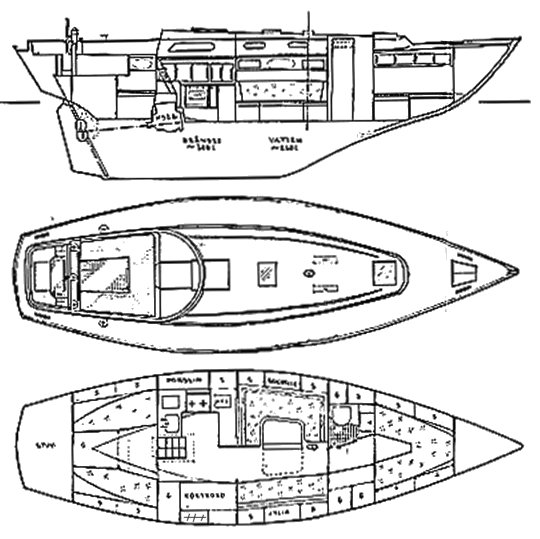
The deck and cockpit are fiberglass moldings with plywood core in loaded flat areas. The hull-to-deck joint is bonded and through-bolted beneath a teak cap. Endeavour offered three interior plans. They vary in the placement and privacy of aft berths, the dinette, and the navigation station.
Under sail
The standard sloop has a relatively short masthead rig. Optional tall rigs and bowsprits increase foretriangle area. Those differences are significant, so sail-area figures should always be matched to the actual spar and rig plan.
Archived owner reports repeatedly mention weather helm on some boats. Rig choice, mast rake, sail shape, loading, and owner modifications can all affect it. A sea trial in a useful breeze is necessary.
Buyers notes
First identify the rig, mast height, bowsprit, and interior plan. Inspect plywood-cored areas for moisture, then review chainplates, bulkhead tabbing, mast support, rudder stock, and any keel modifications. The original Perkins 4-108 installation may still be present, but its condition and replacement history matter more than the model name. Practical Sailor’s reviewer adds that the keel is part of the hull mold with the lead ballast dropped in and glassed over, so there are no keel bolts, but after a grounding one should check whether the skin was punctured and water entered the cavity. Tankage in the owners archive is 55 gallons of diesel and 100 gallons of water.
The owners archive is unusually useful because it preserves factory manuals, sail plans, and contemporary reviews. Those records make it possible to compare a candidate hull with its original configuration before evaluating later work.