Overview
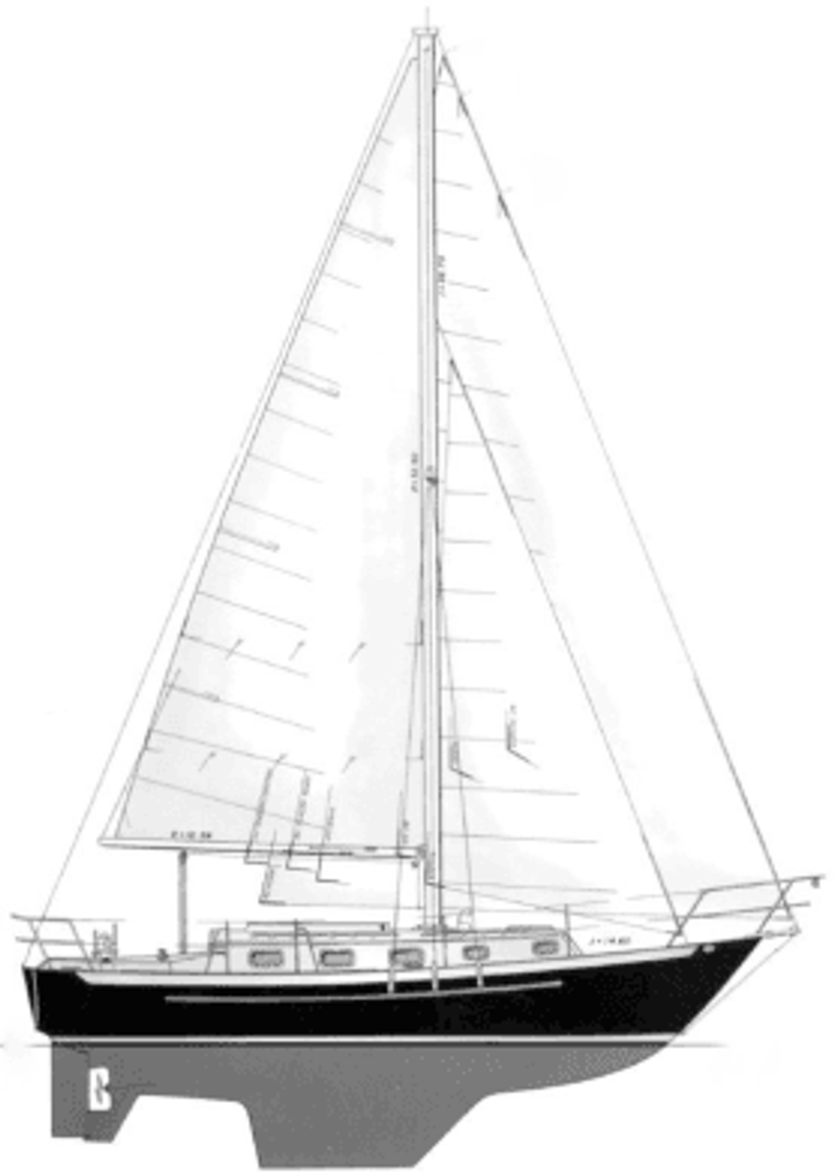
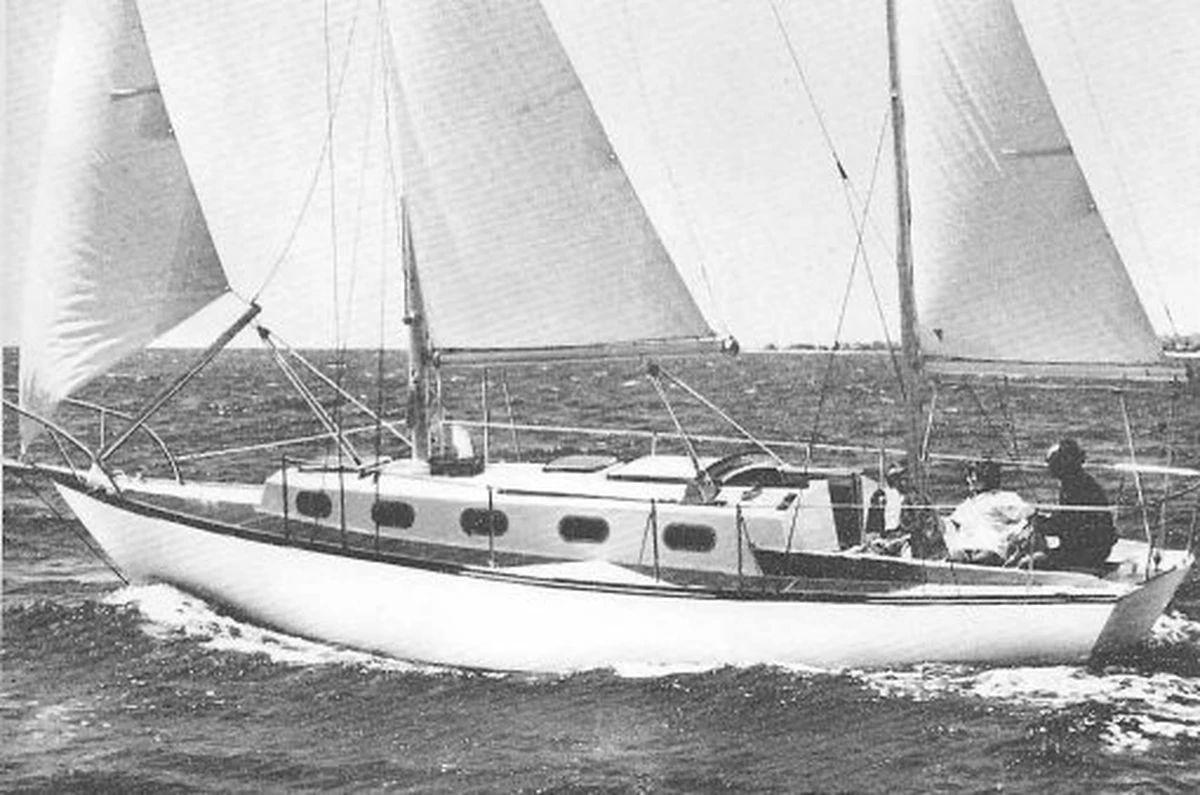
The Cape Dory 30 is the boat the smaller Cape Dorys grow up into: a 10,000 lb Carl Alberg full-keel cruiser, most commonly rigged as a cutter, built in East Taunton, Massachusetts from 1976 to 1986. Around 363 were completed, making it one of the most numerous serious cruising boats in the Cape Dory range and a fixture of the used bluewater market ever since.
History
Cape Dory introduced the 30 at the same mid-1970s moment as the 27, and it became the range’s workhorse cruiser. Most boats are the 30C cutter, with a staysail on a boomed or loose-footed inner stay; a 30K ketch version was also offered on the same hull, and both appear on the used market. Baldwin’s note records that “tiller or wheel steering available,” and both turn up, with the tiller boats meeting his list criterion as delivered.
Construction
The construction story is the Cape Dory story at 30 feet: solid hand-laid fiberglass, a molded full keel carrying 4,000 lbs of lead (40 percent of displacement), keel-hung rudder, bronze ports, seacocks, and winches bases, and teak wherever the eye lands. Displacement is an honest 10,000 lbs on a 22’10” waterline, giving a D/L in the heavy-cruiser range. Diesels were standard across the run, most commonly small Volvos and Universals depending on year.
Under Sail
The cutter rig is well matched to the hull: 437 sq ft split across three working sails keeps each one small enough for one person to handle, and the staysail alone with a reefed main is a ready-made heavy-weather plan. The capsize screening figure of about 1.7 is among the better numbers on Baldwin’s list. Like every Alberg, it heels early, settles, and steers itself for long stretches with the helm lashed; the price is modest light-air performance and the usual full-keel reluctance in tight tacking duels.
Buyers Notes
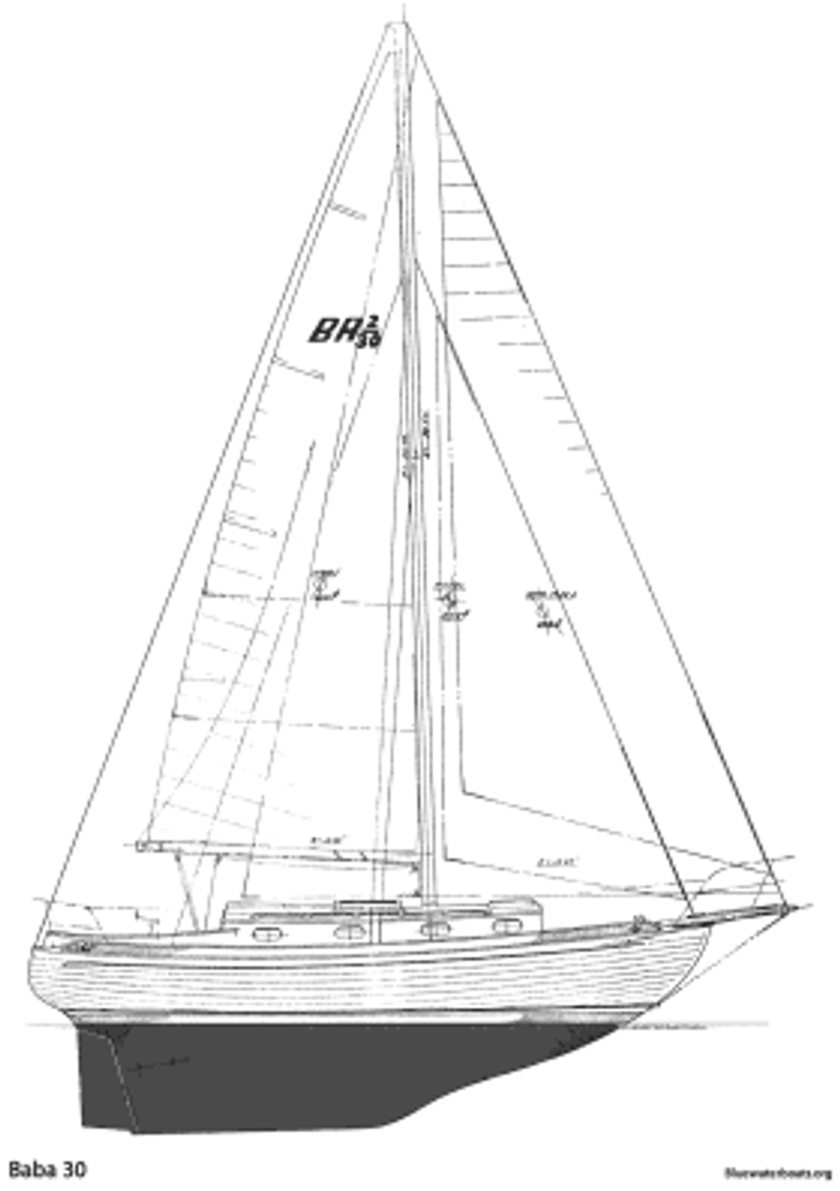
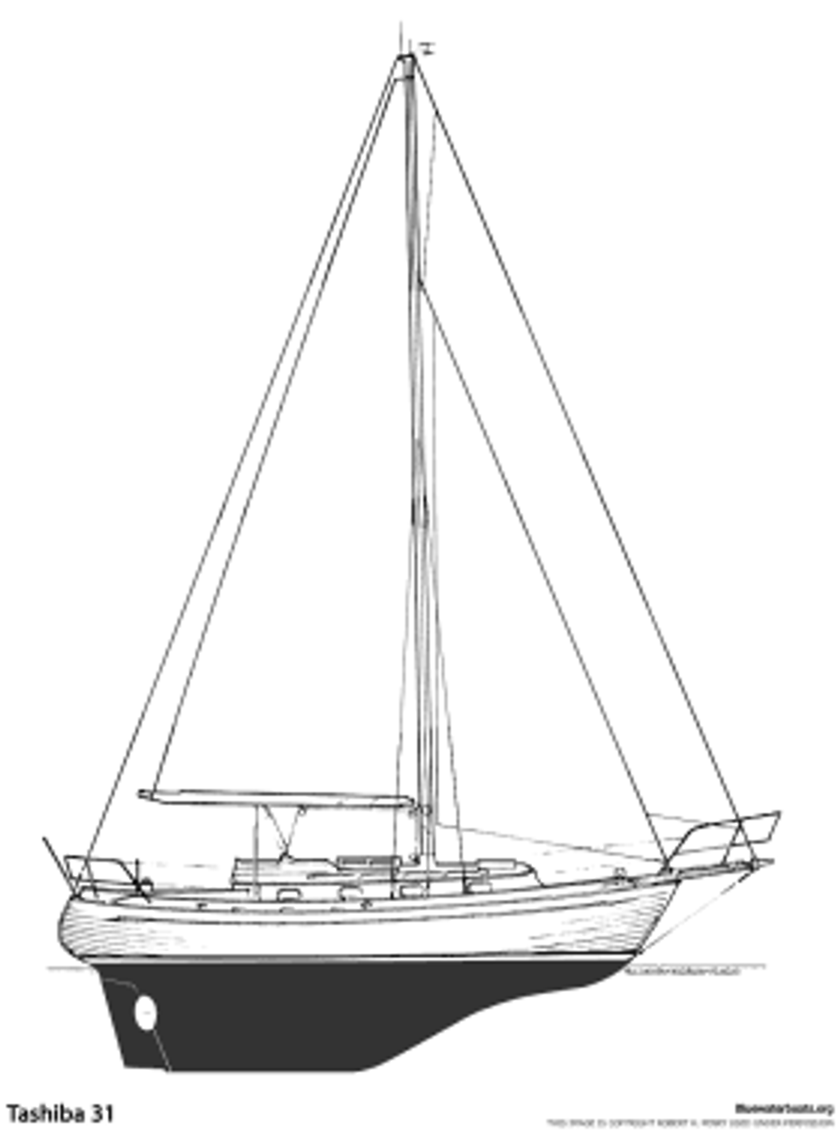
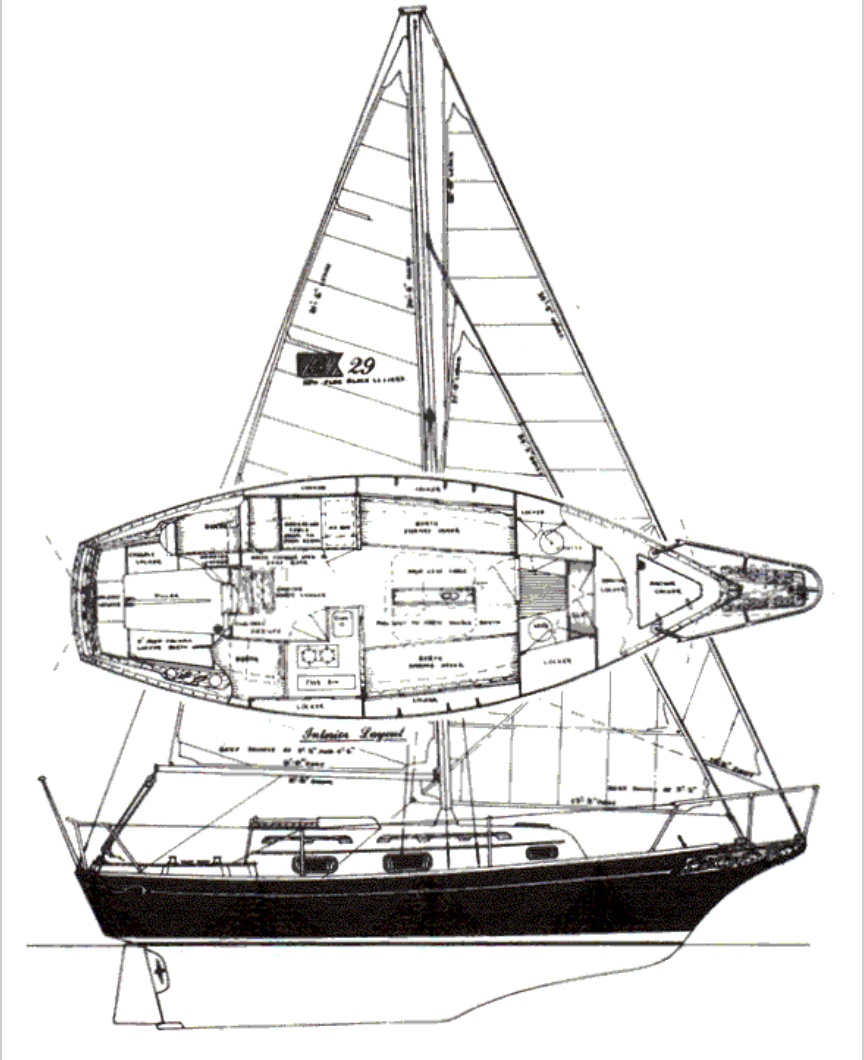
The 30 competes directly with the Alberg 30 and Bristol 29/30 on this list, and it usually costs more, the premium buying newer construction (a 1980 Cape Dory is 15 years younger than a 1965 Alberg), a diesel from the factory, and bronze hardware throughout. With several hundred hulls, condition shopping works: hold out for a sound deck and a documented engine. Survey the standard Cape Dory items, deck core, chainplates, seacocks, rigging age, and on cutters check the inner forestay’s deck attachment and any running backstay hardware. A well-kept 30C is close to the archetype of the affordable proven small bluewater cruiser.