Overview
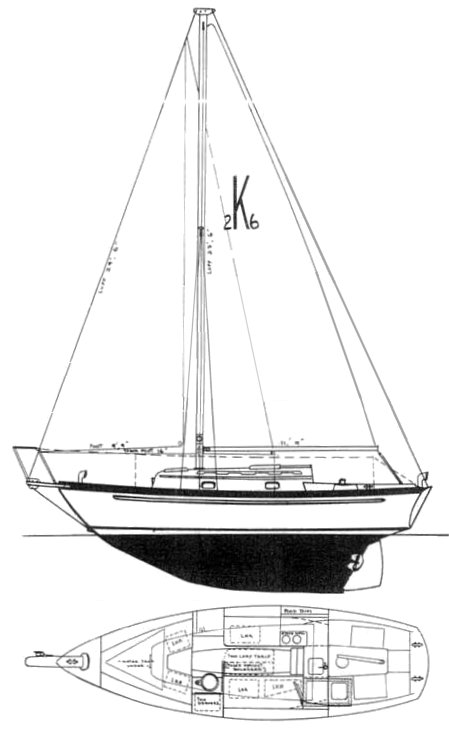
Chuck Paine drew the Frances 26 in 1974 as his own ideal cruising boat, a small, traditional double-ender inspired by the fishing boats of the east coast of Scotland. She’s an unusual mix of daysailer and offshore cruiser: minimalist enough to be affordable for a young designer to build and sail himself, capable enough that at least one has gone on to circumnavigate.
History
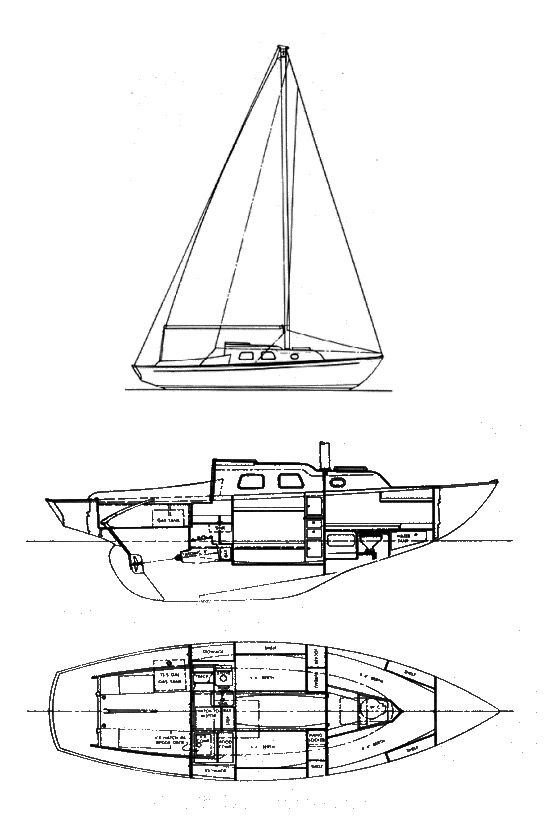
Paine, then 30, came back from a backpacking trip through Scotland taken with the sweet curves of the region’s double-ended fishing boats still in mind. He laid up the first hull in his own Maine workshop in 1974, working from a scaled-down traditional double-ender hull informed by modern design thinking. That first boat was destroyed in a workshop fire before completion, but Maine boatbuilder Tom Morris had already taken a mold off it, and it was from that mold Morris Yachts built the production run, roughly 100 hulls in the US. Paine himself fitted out the fourth Morris-built hull and cruised her down the East Coast. By the late 1970s the design had crossed the Atlantic in the other direction: a Yachting World review caught editor Bernard Hayman’s attention, and he encouraged Victoria Marine of Southampton to take up UK production, initially as the Victoria 26 and later evolving into the Victoria 800, with a coachroof replacing the flush deck for full standing headroom. Roughly 200 hulls exist across both builders and a number of one-off custom builds; production ran until the late 1990s, when, in an odd echo of the first hull’s fate, fire destroyed both companies’ molds.
Design and Construction
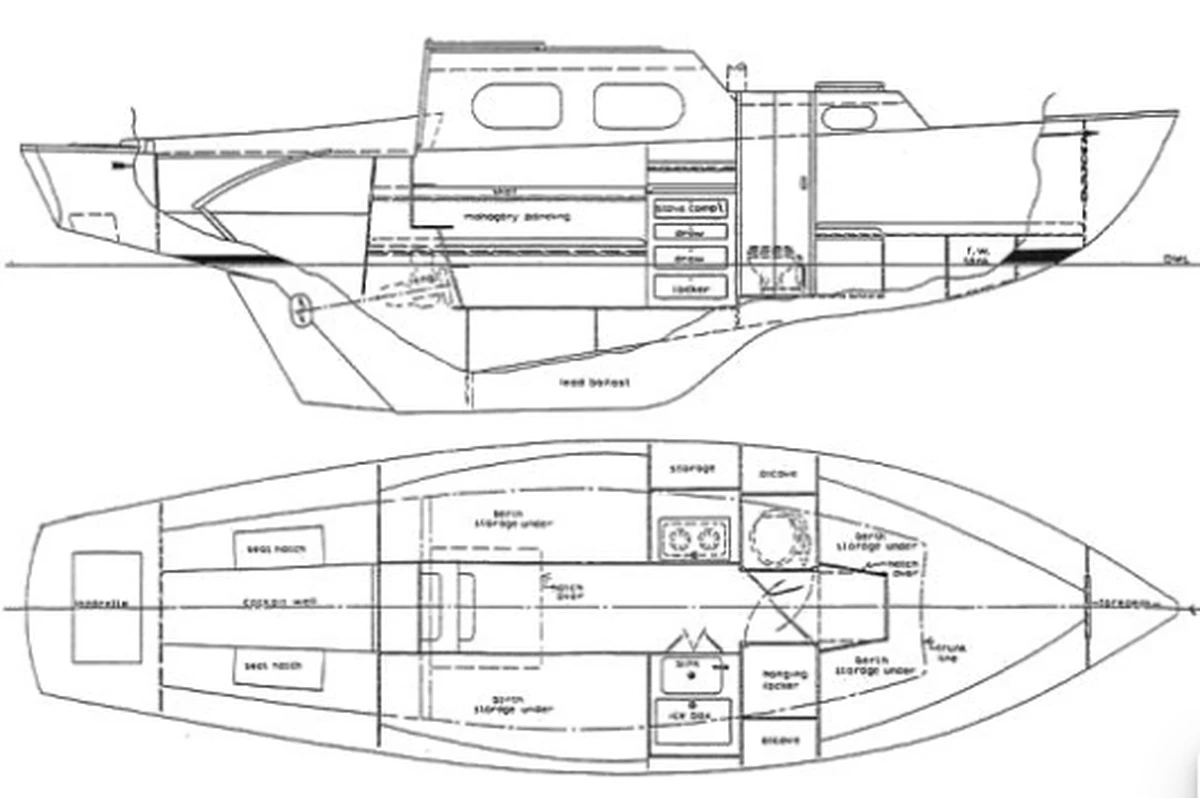
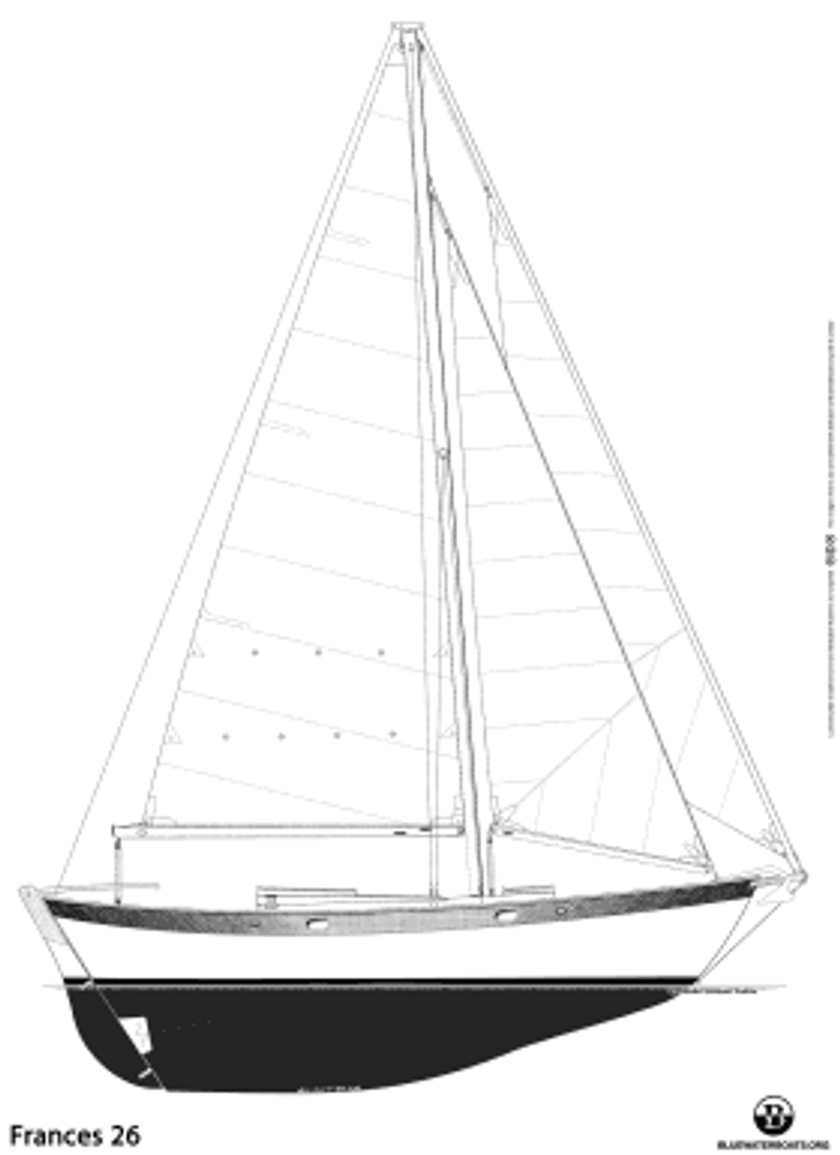
The hull is a genuine double-ender: fine entry, lively sheer, full bilges, and a long keel with a transom-hung rudder, drawing on both Scottish and Norwegian double-ender heritage. Production hulls are solid fiberglass in 9.5 oz cloth; a number of owners have also built custom hulls in cold-molded wood, several adding a coachroof in the process. Both sloop and cutter rigs were offered, and some boats have since been converted to gaff. With a ballast ratio over 50 percent, she carries her full sail area longer than most boats her size before needing to reef.
Under Sail
Owners describe an easily driven hull with excellent directional stability and real speed for her length, particularly rigs with larger headsails and smaller mainsails, which trade extra trimming work for better pointing and speed. Below, the flush-deck original version tops out at under 5 ft of headroom, a real tradeoff for her clean lines; the Victoria-built coachroof version and Paine’s own later modifications both address this directly.
Buyers Notes
Confirm which rig a specific hull carries, since sloop and cutter versions use meaningfully different sail plans, and check whether it’s a flush-deck original (limited headroom) or a coachroof variant. Given the boat’s age and small production runs split across two builders plus custom one-offs, expect real variation in construction quality and equipment between individual hulls; the active Frances 26 owners’ site is a strong resource for tracking a specific boat’s history.