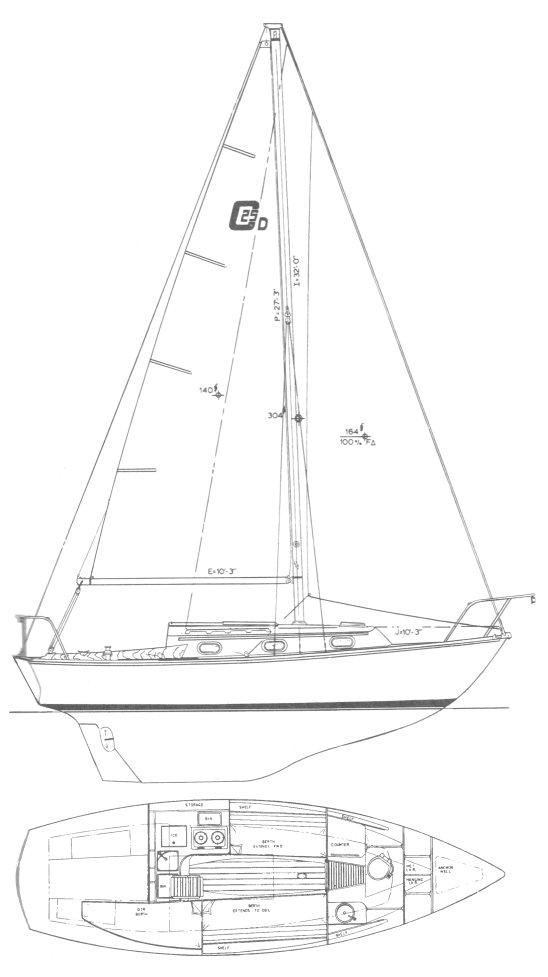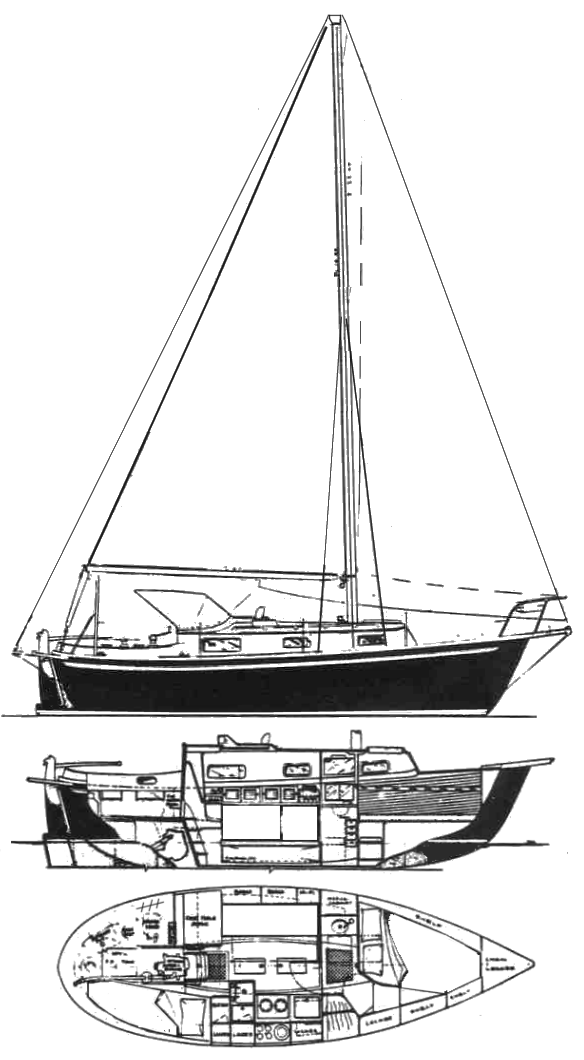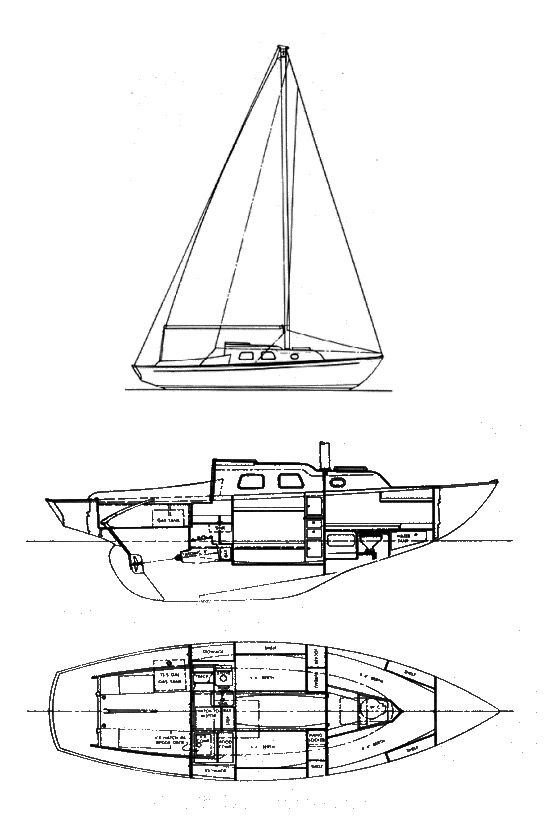
Overview
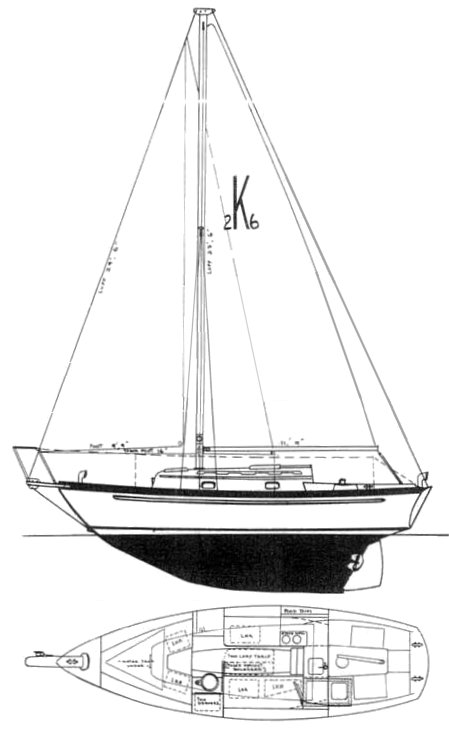
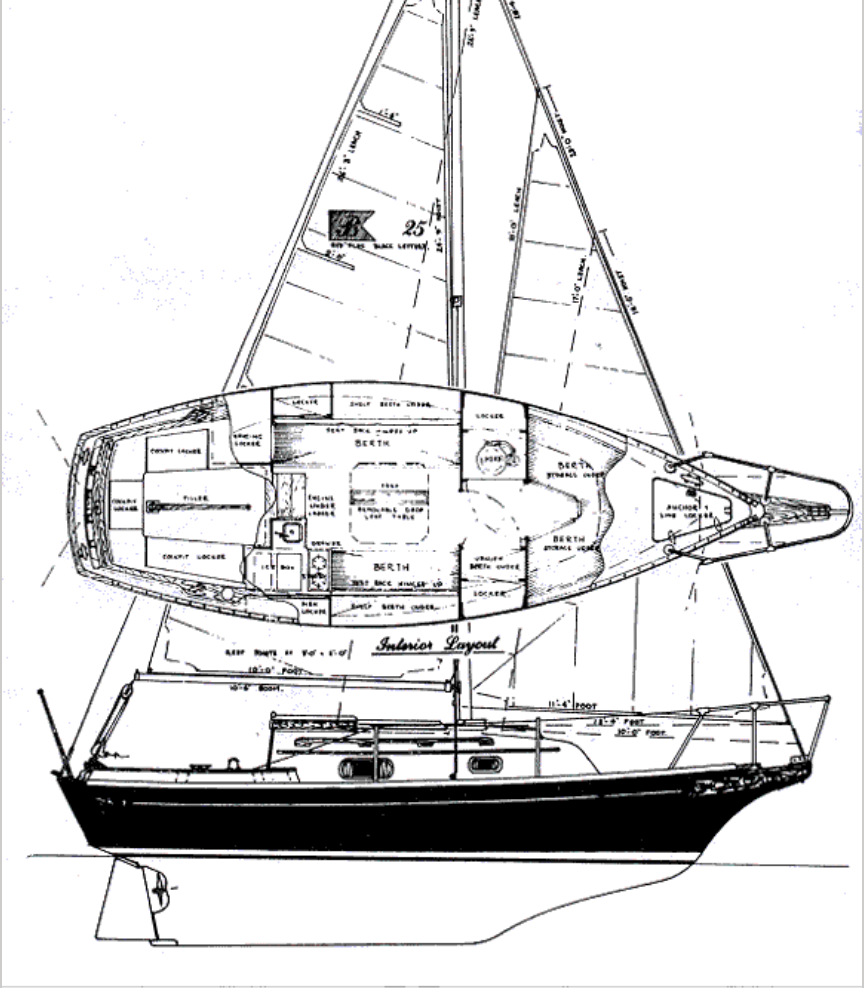
The Pearson Ariel 26 is a Carl Alberg design built by Pearson Yachts from 1962 to 1966, one of roughly 440 hulls in a run that slotted between the larger Pearson Triton and the smaller Commander/Electra in the builder’s lineup. It shares its hull with the Pearson Commander, a daysailer variant with a shorter cabin and a longer cockpit; the Ariel keeps the fuller cabin and standing headroom that make it a genuine small cruiser rather than a daysailer with a lid on it.
History
Pearson introduced the Ariel as a mid-size option in a lineup built around Alberg’s full-keel, moderate-displacement formula, the same approach behind the better-known Triton. Boats could be ordered with an Atomic 4 gasoline inboard or with an outboard well in the lazarette, a configuration choice that still shows up on the used market today and materially affects a given boat’s usable cockpit space and stern buoyancy. The design has kept an active owners association since production ended, which James Baldwin’s list calls out directly as a reason to consider one.
Construction
Pearson built the Ariel with a hand-laid solid fiberglass hull, standard practice for the yard in this era, with a fixed long keel carrying the ballast and a rudder hung directly off its trailing edge. Sources disagree on the exact displacement and ballast figures: goodoldboat.com’s saildata page (and the original figure this entry started from) gives 5,120 lb displacement on 2,300 lb of ballast, a 44.9 percent ratio, while sailboatdata.com’s own page for the boat lists a heavier 5,700 lb displacement and 2,500 lb ballast. The two sources agree on every other dimension, so the discrepancy looks like it comes from one site including engine or tankage weight differently rather than a disagreement about the boat itself; this entry uses the lighter, more commonly cited figures.
Under Sail
Owner reports describe the Ariel as a boat that tracks true and holds a course well thanks to its long keel, the same seakeeping tradeoff found on most Alberg designs of this vintage: steady and forgiving rather than quick. By modern standards it sails on the slow, wet, and tender side, and at least one owner reported water sloshing out of the outboard motor well into the cockpit when the boat heeled hard in a breeze, worth checking on any boat fitted with that option. None of this is disqualifying for a 26-footer of this era; it simply means buyers should set expectations around comfortable passagemaking rather than performance sailing.
Buyers Notes
James Baldwin’s own assessment of the Ariel lists no specific pluses or minuses beyond calling it “one of Alberg’s finest,” which, combined with the boat’s long production run and active owners association, points to a design with few chronic problems relative to its era. Given the sources’ disagreement on displacement, a prospective buyer researching a specific hull should check the boat’s actual measured waterline and any documented weight rather than relying on a single spec sheet. If the boat has an outboard well, test it under sail in a breeze for water intrusion. Buyers should also confirm which layout they are looking at: an Ariel proper, with its fuller cabin, or the shorter-cabin Commander variant sharing the same hull, since the two are commonly confused in listings.