Overview
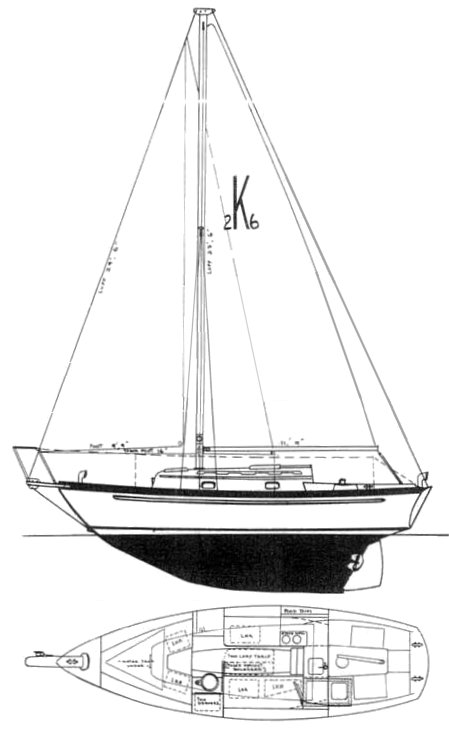
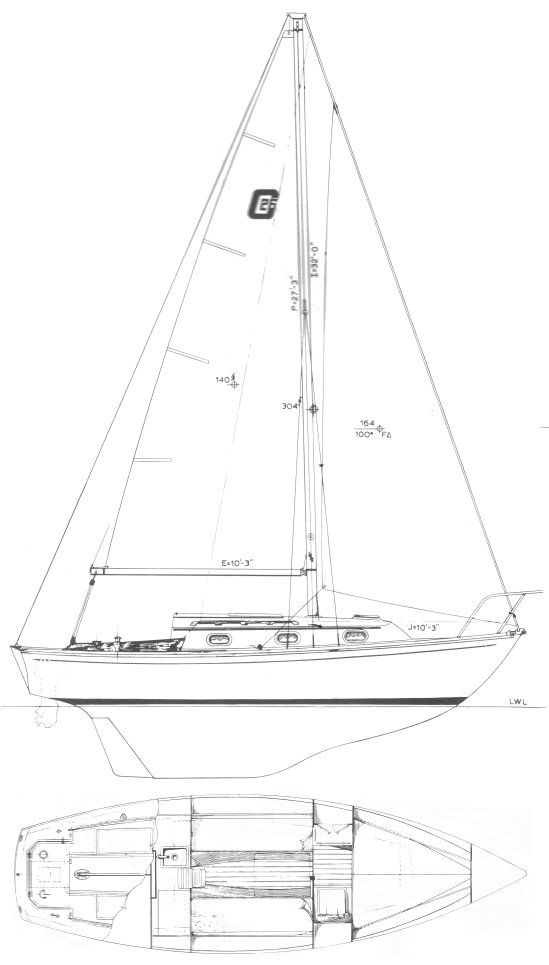
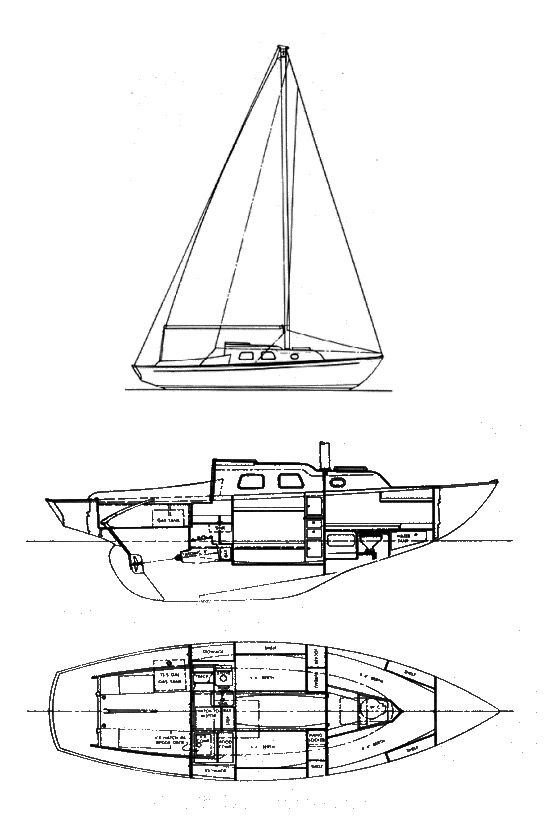
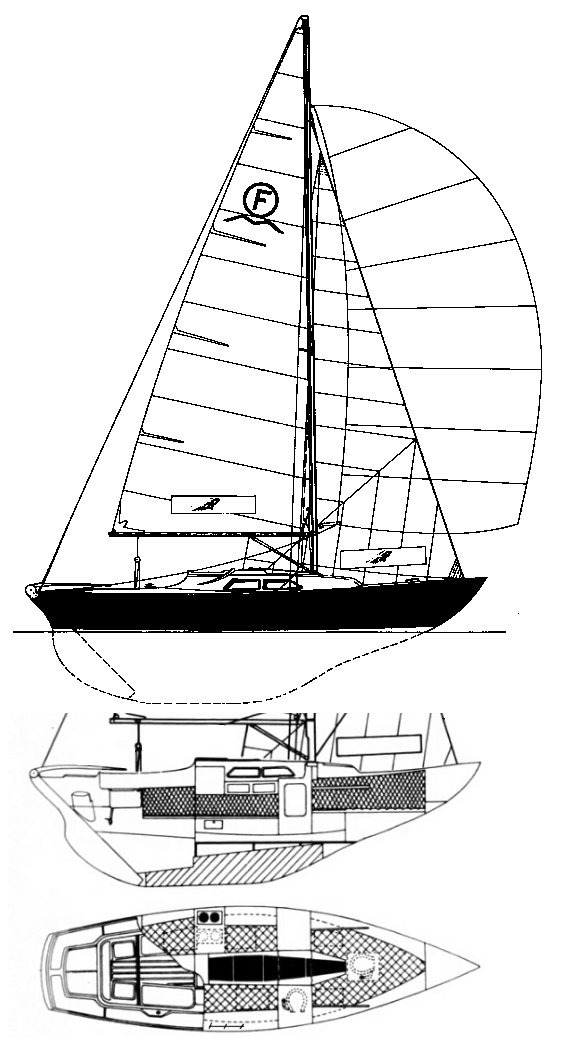
This entry covers the fiberglass International Folkboat, the boat Baldwin’s list actually describes despite calling it the “Nordic Folkboat 26.” Tord Sundén, the same designer who finalized the lines of the original 1941 wooden Nordic Folkboat, drew this version specifically for fiberglass construction; sailboatdata.com is explicit that it is not part of the Nordic Folkboat one-design class because it lacks the required clinker-built hull. It is a small, narrow, heavily ballasted double-ender that has crossed oceans on a hull barely 26 feet long.
History
Marieholms Bruk in Småland, Sweden, began building the fiberglass International Folkboat in 1967, and it was accepted as its own one-design class by the Swedish sailing federation. More than 2,200 were built in Sweden alone, with further hulls built under license in the UK and Australia; total production across all builders runs past 3,000, and a German builder, Seacamper, still turns out new hulls today. The Swedish production run is documented as running through 1984. Documented offshore passages in this specific fiberglass hull are thinner than the family’s reputation suggests: Practical Sailor’s used-boat review credits Adam Correa with sailing an International Folkboat in a Single-Handed TransPac Race, the clearest offshore credential for the boat actually described here. The two names most often invoked for “the Folkboat” offshore, Blondie Hasler’s modified Jester and Australian solo circumnavigator Ann Gash’s Ilimo, were both wood, clinker-built Nordic Folkboats, not this fiberglass International Folkboat; they speak to the seaworthiness of the hull shape Tord Sundén drew, not to a voyage made in this boat, and are noted here as design lineage rather than as this entry’s own offshore record.
Construction
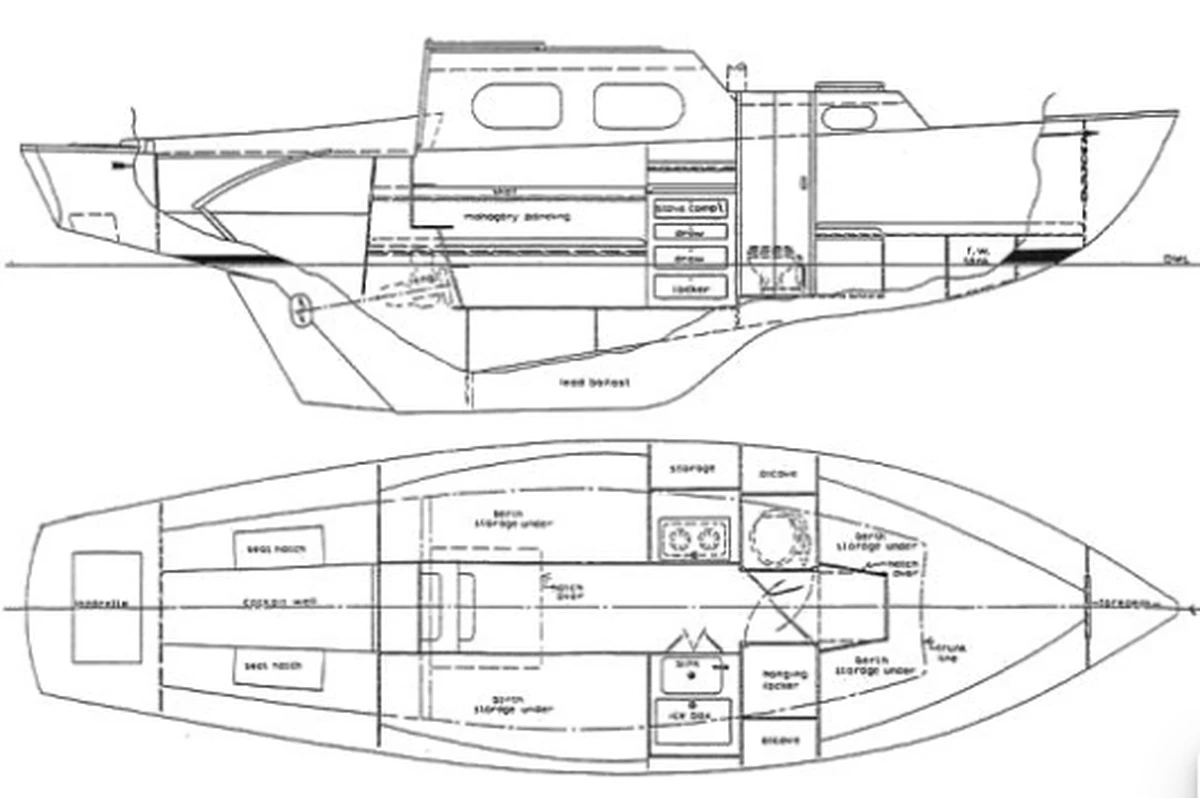
The hull is solid fiberglass on a design meant from the outset for composite construction, unlike the wooden Nordic Folkboat it echoes. Ballast is unusually heavy for the boat’s size: 2,750 lb of ballast on 4,740 lb of displacement works out to 58 percent, one of the highest ballast ratios of any boat on this site, and Baldwin’s own notes single this out as the reason the boat stays stable despite its low freeboard and narrow 7’2” beam. Practical Sailor’s review describes a quick-draining cockpit and high bulwarks that keep the boat drier than its low freeboard would suggest, features consistent with a design meant to be sailed hard rather than lived aboard.
Under Sail
Practical Sailor’s assessment is direct: “the International Folkboat is a good-looking, wholesome, stiff design that is at its best when the wind kicks up.” Baldwin’s own minuses note the flip side, calling it “a wet ride going to windward,” and Practical Sailor notes that in a breeze the jibsheet is often cross-sheeted so the crew can stay “fairly high and dry on the windward rail,” which is why most of these boats carry a tall dodger and cockpit weathercloths even when not actively offshore. Headroom is limited to 55 inches at best, a real constraint below and a reminder that this is fundamentally a racer-cruiser design, not a live-aboard cruiser, that happens to have made a number of documented ocean crossings.
Buyers Notes
Baldwin’s pluses focus on the ballast ratio and the size of the used fleet: “over three thousand have been built with many still on the market in Europe and over[seas],” meaning parts, community knowledge, and boats themselves are not hard to find, at least outside North America. Buyers need to be clear about what they are examining, since listings and reference sites routinely blur the line between the clinker-built wooden Nordic Folkboat class and this fiberglass International Folkboat; the two share a designer and a family resemblance but are different boats with different racing eligibility and different maintenance profiles. Given the boat’s cramped interior and wet, demanding motion upwind, it suits a buyer who wants a proven, seaworthy small boat for coastal and occasional offshore sailing rather than one looking for cruising comfort.