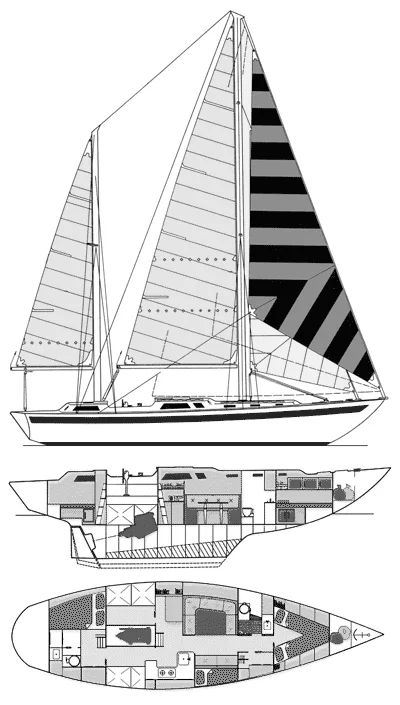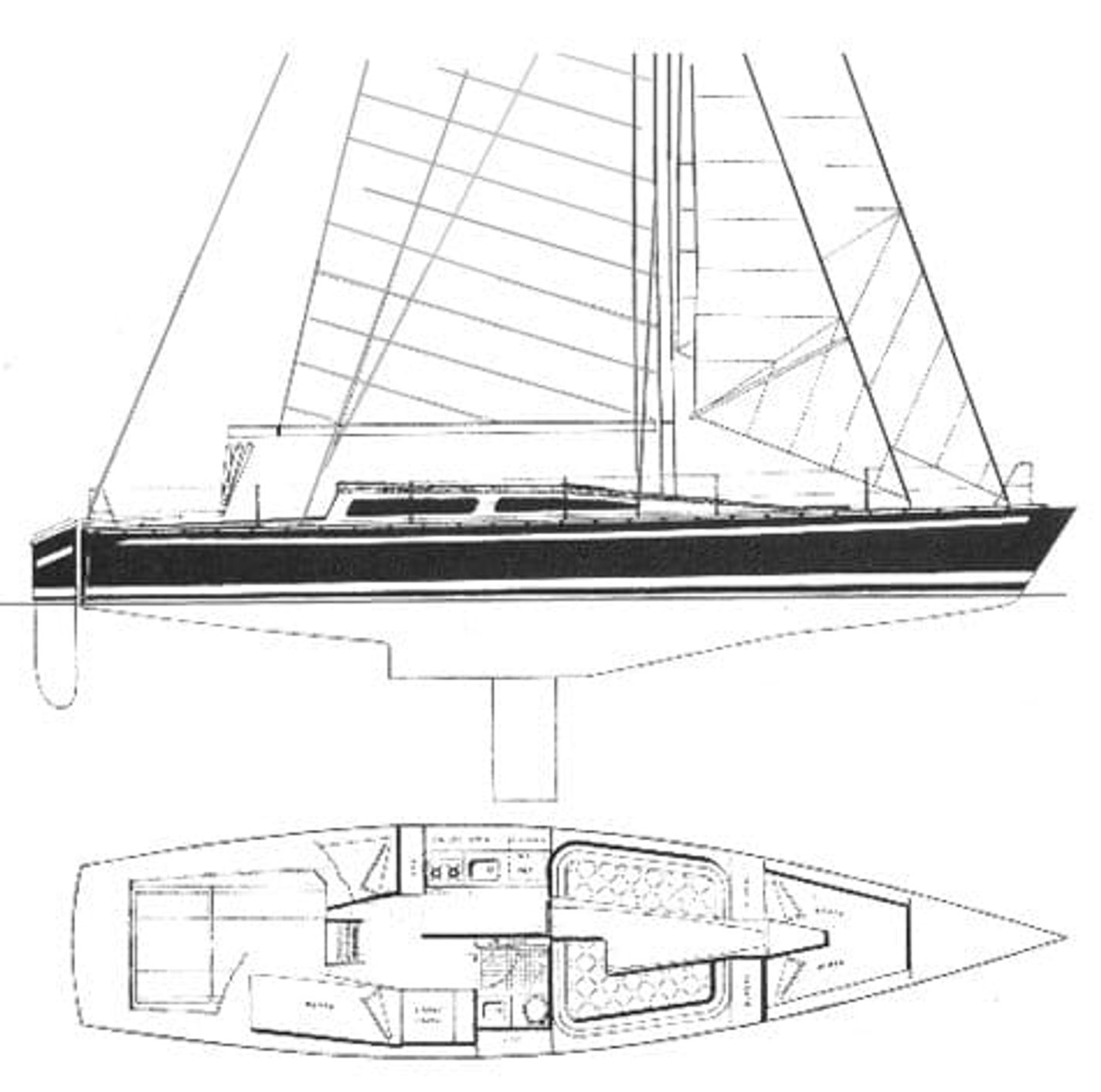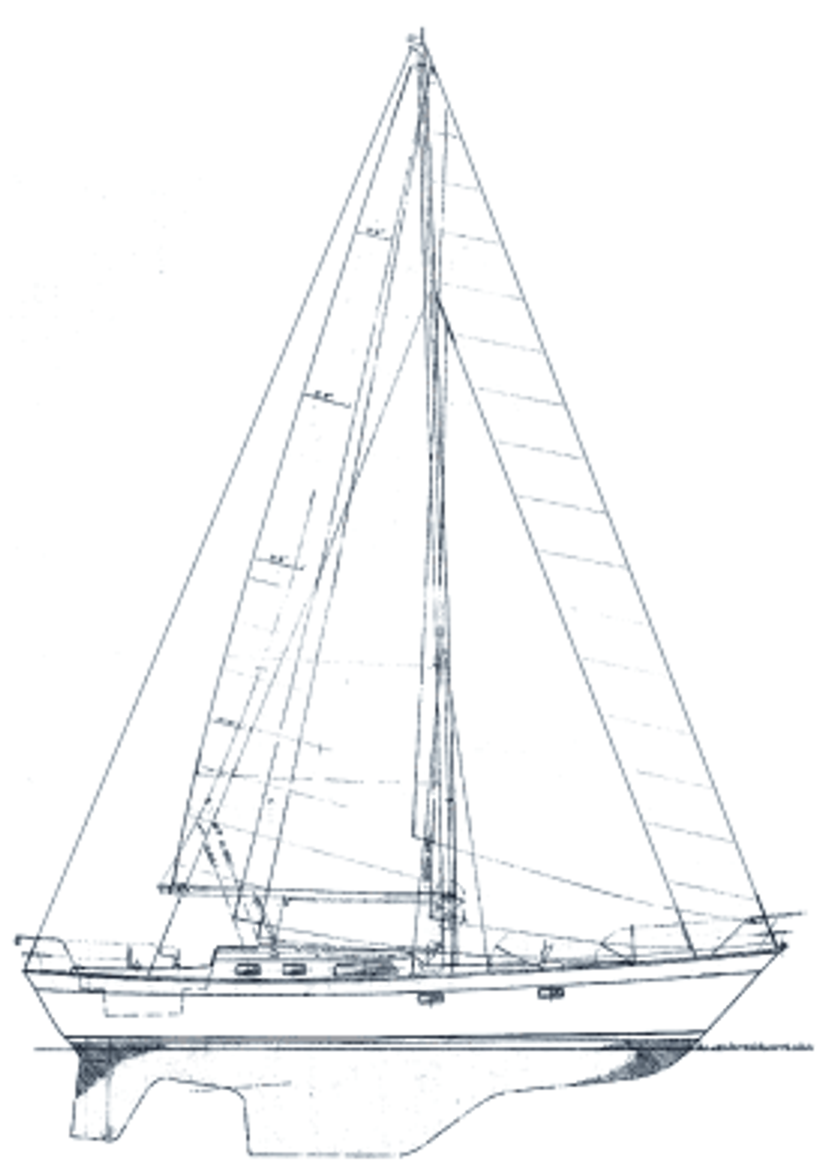
Overview
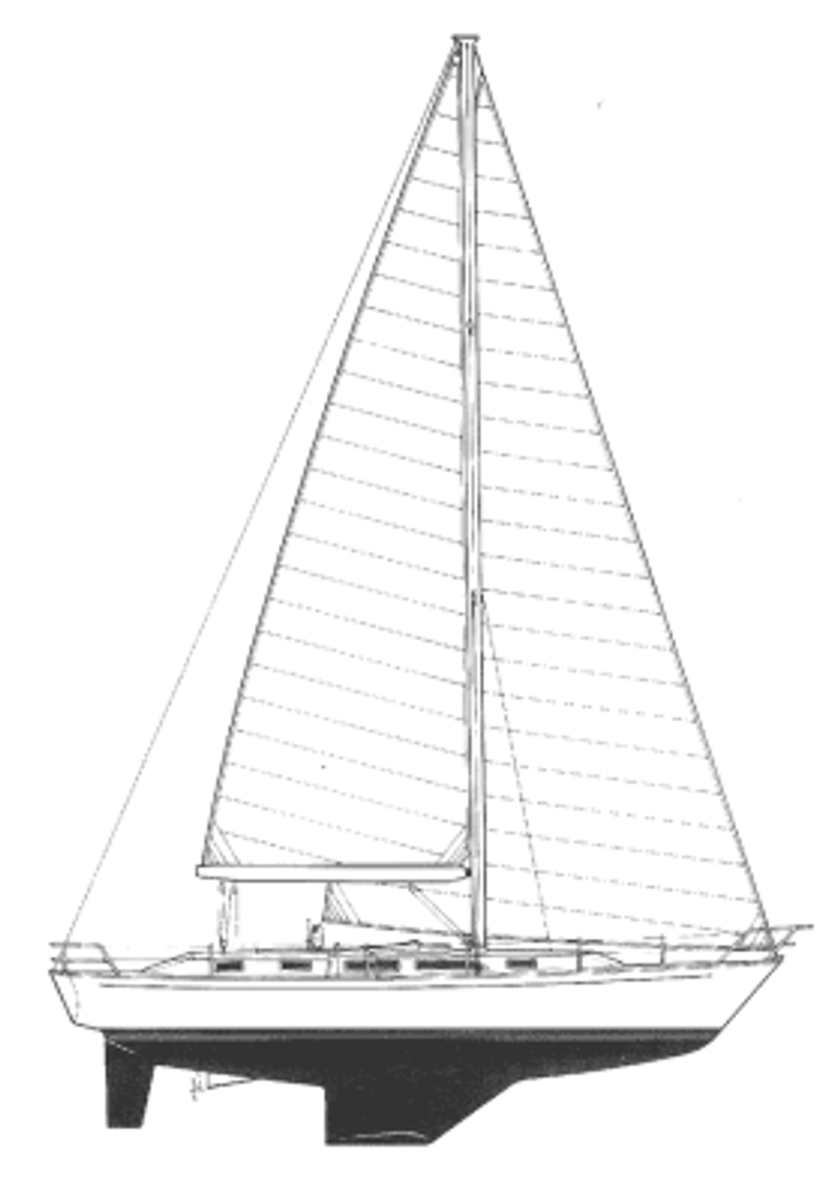
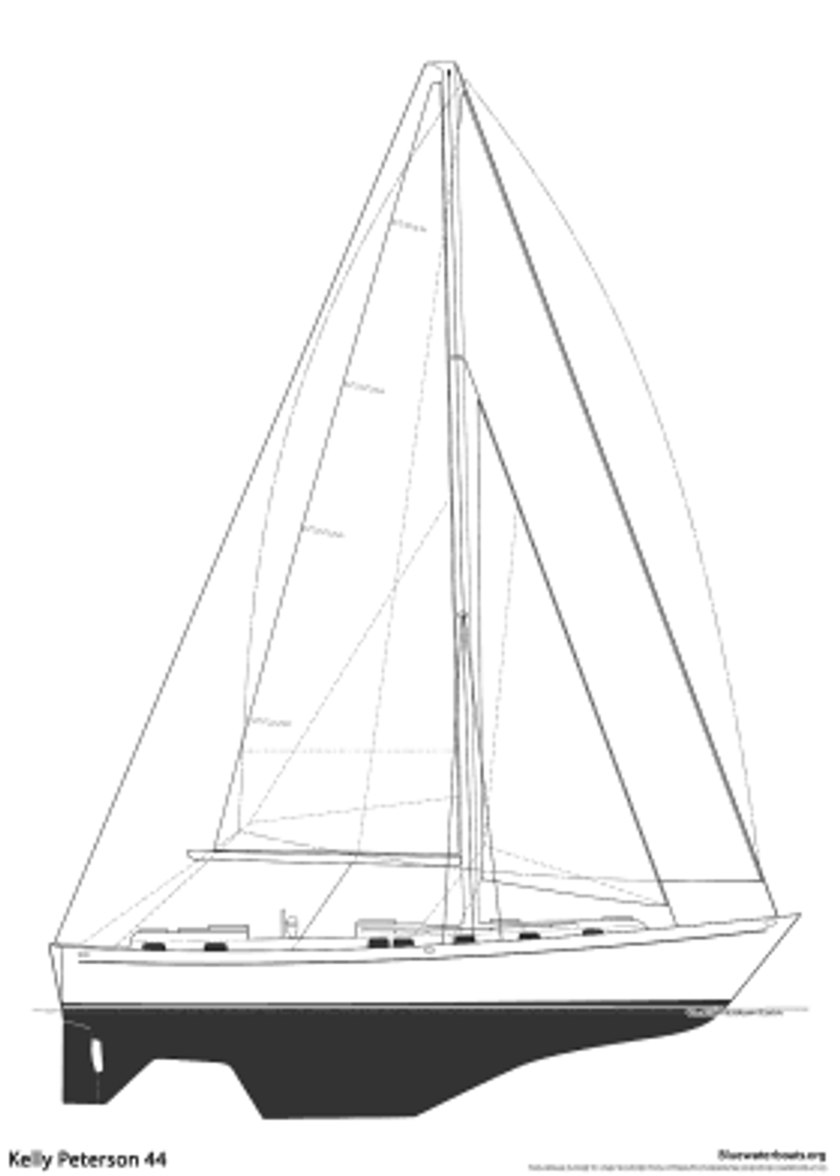
Robert Perry, the designer most associated with turning “performance” into a word cruisers cared about, took a different tack with the Lafitte 44: a heavy-displacement double-ender built deliberately overbuilt, prioritizing comfort and durability over speed.
History
The mid-1970s cruising boom sent many American designs to Taiwanese yards chasing favorable exchange rates and skilled, inexpensive labor, and Perry was near the center of that wave. Mike Lewis of Pacific Far East Industries commissioned him to design the boat and picked Chung Hwa Boatworks to build it, with George Olivet appointed to oversee production on-site through two changes of parent-company ownership, giving the Lafitte an unusually consistent build record for a Taiwanese yacht of that era. Perry drew the boat in late 1976, one of several 44-footers he was working on at the time (also the Norseman 447, Nordic 44, and Cheoy Lee 44); it happened to be his hundredth design.
The first boat launched in 1978. Early hulls shipped without fittings for completion in California, since Taiwan lacked duty-free enterprise zones at the time; later hulls were finished in Taiwan once that changed. Ownership passed to Tom Flemming in 1981 (renamed Lafitte Yachts, hull serial prefixes switching from PFE to LFT around hull #30) and then to Bernie Wahl in 1983, who pushed a series of detail improvements aimed at a more finished, “Taiwanese Swan”-style product. Production ended in April 1987 after 56 hulls, with 53 known to survive today, tracked by an active owners’ community.
Design and Construction
Standard hulls used hand-laid fiberglass cored with Airex foam, with solid laminate available as an option. Construction is genuinely robust: foam-filled frames and longitudinals, glassed-in bulkheads, and a stainless-steel-reinforced frame under the deck-stepped mast. Decks are Baltek balsa-cored. Ballast is external lead, bolted with stainless steel; some owners report nonstructural hairline cracking at this joint worth checking on survey. David Pascoe’s independent marine-survey review praises the framing specifically, noting every partition and cabinet divider is tabbed into the hull as a structural frame with multiple layers of cloth, a genuinely solid build rather than a “squeeze bottle boat.”
Under Sail
Reviewers describe a stiff, dry boat with a comfortable motion, set up to make passages without drama; honest 160-mile days are reported by owners. No specific named ocean crossing or circumnavigation is documented in current sources for this model.
Buyers Notes
Pascoe’s survey flags several real issues worth checking directly: teak decks worn down to their fastening screws on older examples (an expensive replacement job), stainless steel water tanks that can strain the salon settee framework, air-conditioning condensation damage and rot in forward cabin paneling, poor engine access, and a cabin sole prone to squeaking where the foundation wasn’t installed cleanly. The cockpit is on the small side for the boat’s stated eight-person sleeping capacity, and the layout routes the main salon through the head, worth experiencing in person before buying. As a high-comfort cruising yacht with substantial systems, expect maintenance costs above the norm for the size; most examples on the market are well kept.