offshore

Van de Stadt 44

Various (built to Van de Stadt design plan #393) · 1983 · Cutter rig

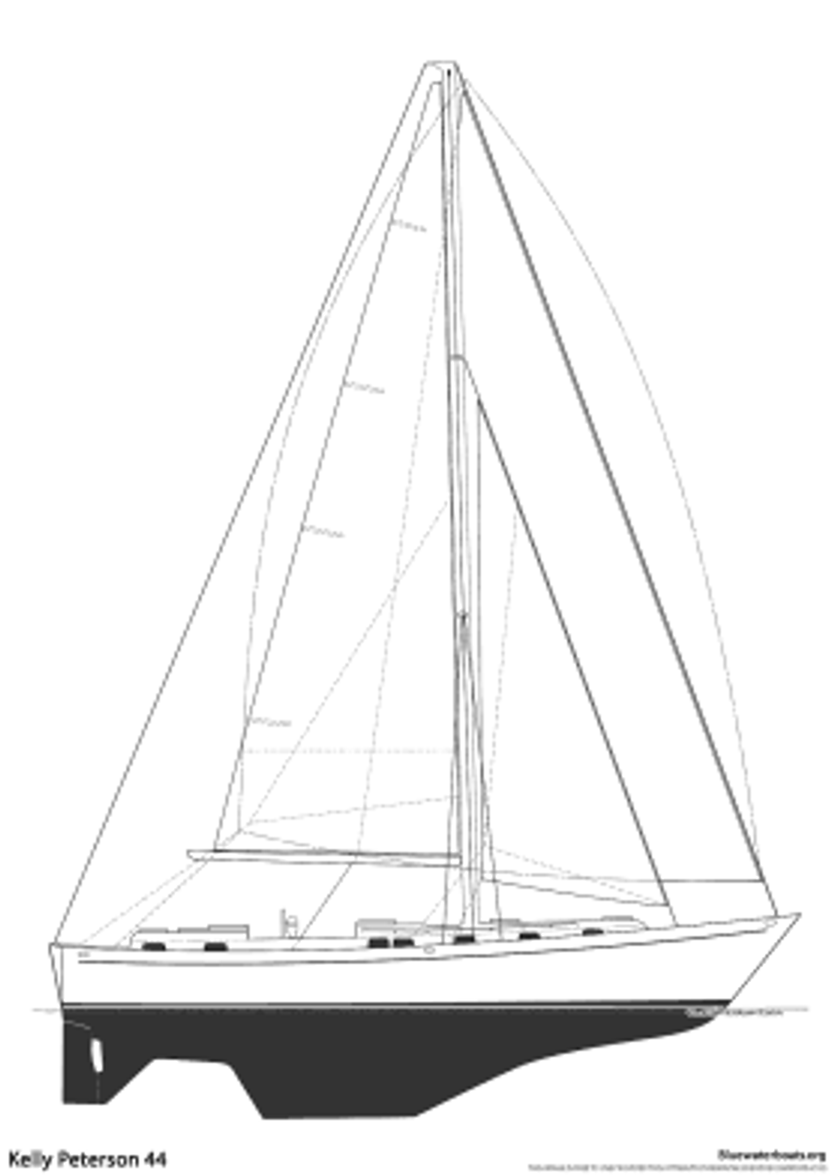
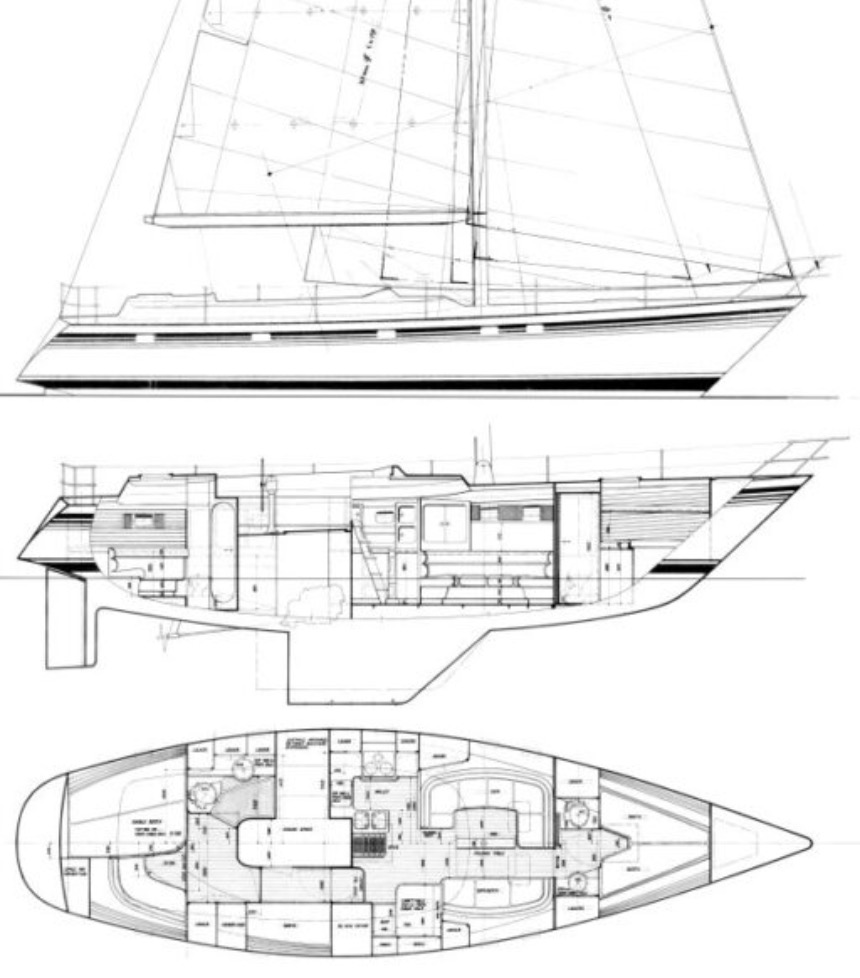
Van de Stadt 44 profile drawing
LOA44.33'
Beam12.83'
Draft7.08'
Displ.15.9t
Rigcutter
HullAluminum

Bluewater Evidence · Bluewater Capable

64% confidence

No hull-specific ocean passage was independently verified for this design in this research pass. Van de Stadt Design's own site describes it as an ocean-going yacht built to a robust, round-bilge hull form in steel or aluminum, but no named vessel or independent citation ties that description to a documented offshore passage on this specific model. Other Van de Stadt-designed boats have documented circumnavigations (a Van de Stadt 49 named Alexandra, a Caribbean 12 named Pylades sailed by Fergus Quinlan, a steel Van de Stadt Tasman 48 named Diomedea), but these are different designs from this one and are not used as evidence here. A named boat of this design has finished the 628-mile Sydney Hobart Yacht Race in the official results: Trumpcard (2018).

Overview

The Van de Stadt 44 is design number 393 from E. G. van de Stadt’s Dutch naval architecture practice, one of the most prolific design houses in postwar offshore sailing (Van de Stadt’s other credits include Pen Duick III and the early Rustler line). Drawn in 1983, it was built to order by professional shipyards in either steel or aluminum, a round-bilge hull the design house itself describes as carrying “the same sturdy appearance” as its earlier Seal design. Unlike some of this catalog’s other plan-built metal boats, the design explicitly assumes shipyard construction rather than amateur home building.

Design and Construction

At roughly 32,000 lb in aluminum (about 37,000 lb in the heavier steel version) with a 49 percent ballast ratio, the 44 is a substantial, heavily built cruiser. The fin keel with skeg-hung rudder came in two draft options: a standard 7.08 ft and a shoal 6.25 ft, both bolted-lead ballast per sailboatdata.com’s record. The centre-cockpit layout puts the owner’s cabin aft, with its own head and shower, a configuration the design house notes could be adapted to different interior priorities.

Under Sail

The design was offered as either a sloop/cutter rig or, as an alternate configuration, a ketch, with the ketch losing a small amount of sail area (113 versus 114 square meters) in exchange for shorter, more manageable spars. Other Van de Stadt designs (the 49, the Caribbean 12, the steel Tasman 48) have circumnavigations on record, but none of them is this boat.

Ocean Racing Record

Trumpcard (Blake Boulton) finished the Sydney Hobart Yacht Race in 2018.

Buyers Notes

Because this design was built to plan by more than one yard, and in two different hull materials, a pre-purchase survey needs to establish which yard built a specific hull and in what material before drawing any conclusions about build quality. Aluminum examples need the usual scrutiny of anodes, bonding, and any dissimilar-metal contact; steel examples need a full corrosion and coating survey. The two draft options are also worth confirming directly, since the difference between them is enough to matter for a shoal-water itinerary.
Passage records

Trumpcard· Blake Boulton2018

Sydney Hobart Yacht Race 2018

Finished 1 time (line honours places 63).

Source: Rolex Sydney Hobart Yacht Race 2018 results

Known Issues

Hull (aluminum electrolysis)moderatePassageBoats editorialAll years, aluminum-built hulls

As with any aluminum hull, galvanic corrosion from stray current or improperly isolated dissimilar metals is the main long-term maintenance concern. Sacrificial anodes and the bonding system matter more here than cosmetic gelcoat issues would on a fiberglass survey.

Inspection: Check anode condition and replacement history, inspect for pitting or discoloration near through-hulls and metal fittings, and confirm the boat's bonding system properly isolates dissimilar metals.

Construction quality (multi-yard, plan-built design)moderatePassageBoats editorialAll years

This design was built to Van de Stadt's plans by multiple professional shipyards rather than a single production builder, so fit, finish, and structural quality vary hull to hull more than on a single-yard production boat.

Inspection: Identify the specific yard that built a given hull where possible, and have welding (steel) or weld/rivet and corrosion (aluminum) quality surveyed on their own merits rather than assuming consistency across hulls.

  1. [1]SpecificationsVAN DE STADT 44 - SailboatData.com- Dimensions, displacement, ballast (aluminum), sail area, hull type (fin with skeg-hung rudder), rigging type (cutter), construction (ALU), designer, first-built year, design number 393, shoal-draft note.
  2. [2]SpecificationsVan de Stadt 44 - Van de Stadt Design (design archive, #393)- The designer's own record for design #393: dimensions, steel and aluminum displacement/ballast figures, sloop/cutter and ketch sail areas, and a design description noting professional-yard construction.
See something wrong? Suggest a correction

Corrections need evidence: a link or citation we can check. Sourced suggestions get reviewed and credited in the entry's change notes if applied.

Owner knowledge counts: name the boat and year so we can attribute it.