Overview
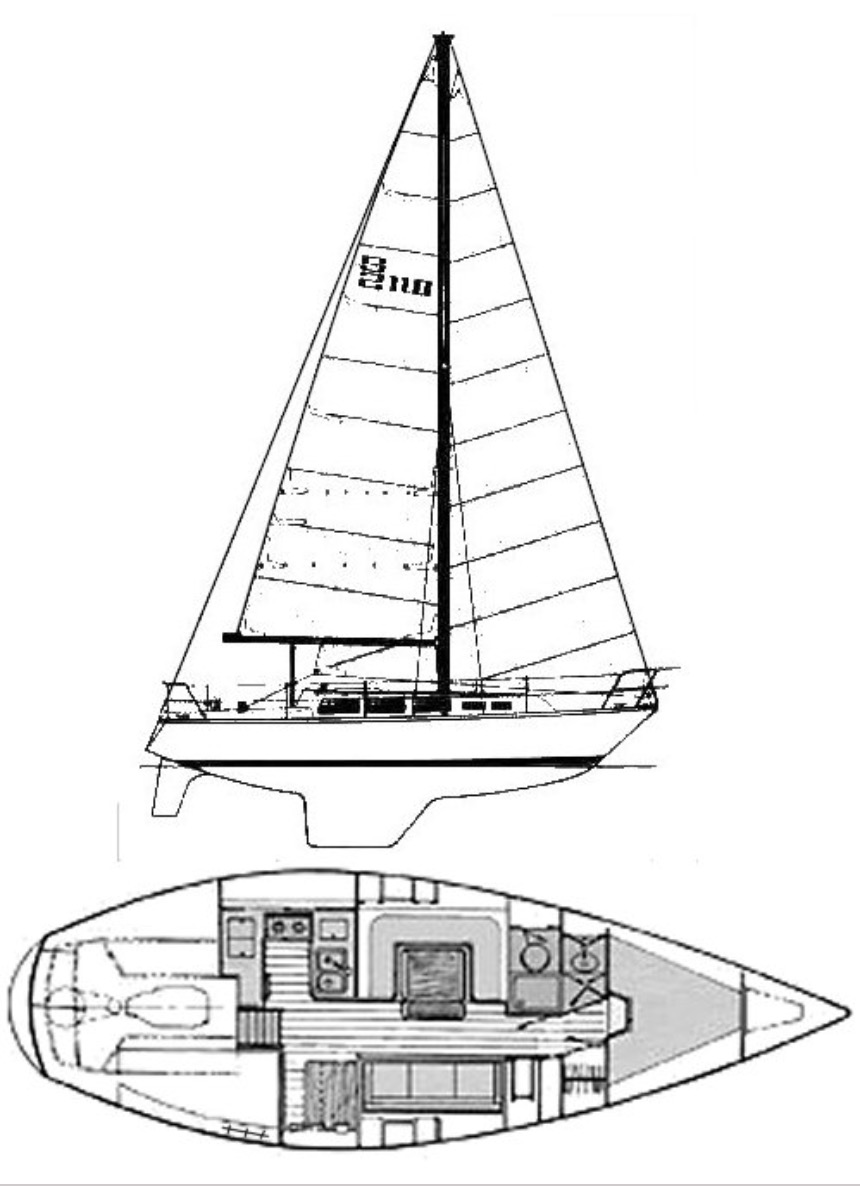
Arthur Edmunds designed the S2 11.0 as the flagship of S2 Yachts’ line, built in Holland, Michigan from 1977 to 1987. It was offered in both an aft-cockpit configuration (the more common of the two, sometimes referred to as simply “the 11.0”) and a center-cockpit version, the 11.0 C, together totaling roughly 220 boats.
Design and Construction
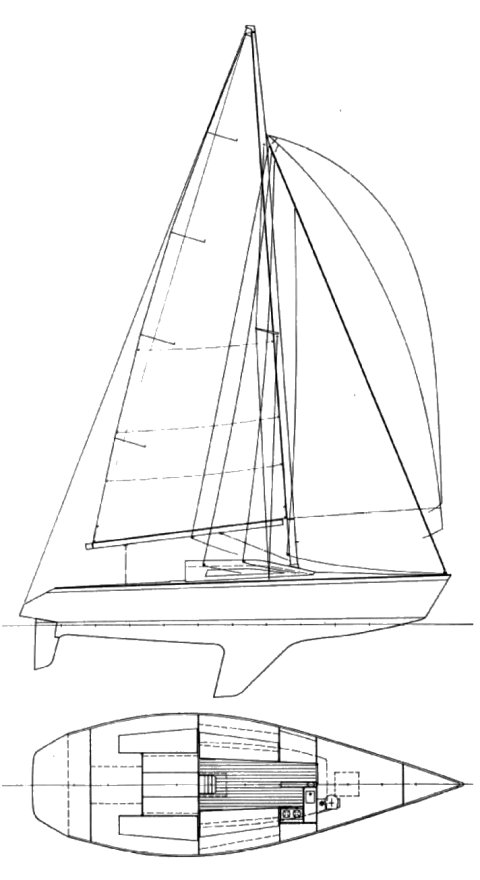
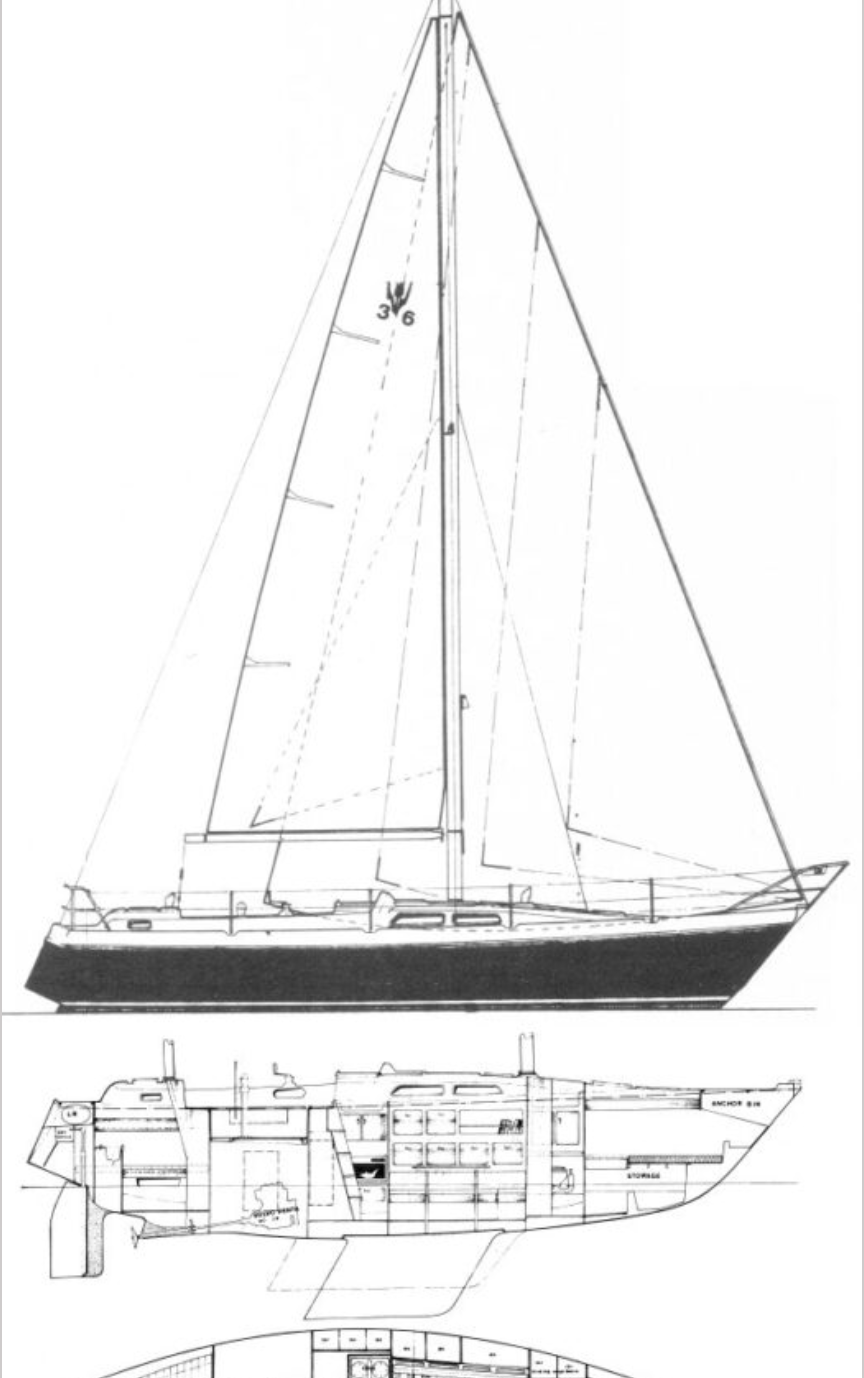
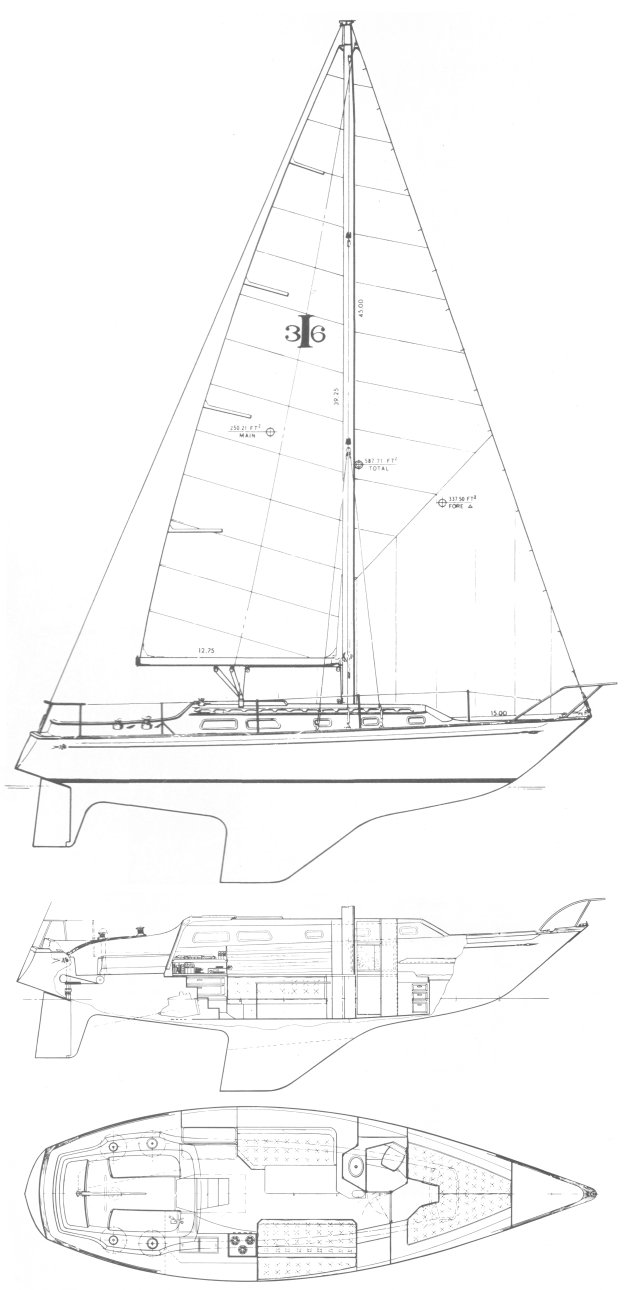
At 15,000 lb displacement with a 40 percent ballast ratio, the boat carries a fin keel with a spade rudder and a masthead sloop rig. Standard draft is 5.5 ft, with a 4.67 ft shoal-draft option also available. The hull is fiberglass with a balsa-cored deck, originally delivered with a choice of Universal, Volvo, VW Pathfinder, or Yanmar diesel auxiliaries. Practical Sailor says the 6,000 lb of encapsulated ballast forced a very thick keel section, so the keel adds drag and produces less lift than a modern foil, and the rudder is low in aspect ratio with a vestigial skeg. The hull-deck joint is an inward-turning flange on the hull molding onto which the deck is dropped, and the magazine found it simple, well engineered and holding up well.
Under Sail
Independent sources describe the S2 11.0 as a steady, comfortable cruiser rather than a light-air performer, its moderate sail-area-to-displacement ratio meaning it wants a reasonable breeze to come alive. No named ocean passage is on file yet. Practical Sailor describes her sailing as straight down the middle, with a hull that avoids IOR bumps. It puts the sail area/displacement ratio at a moderate 17.2 against a displacement/length ratio of nearly 300, and finds her quite stiff despite slack bilges. The foredeck stays relatively dry thanks to her marked forward overhang.
Buyers Notes
Confirm which configuration a specific used boat carries, aft-cockpit A or center-cockpit C, since the two differ meaningfully in layout and hull count, and check whether it has the standard or shoal-draft keel. As with any balsa-cored deck of this era, moisture intrusion around hardware penetrations is the main survey concern. Practical Sailor’s owner survey turned up no structural problems, though one sailor worried about the wooden mast step and the lack of structural support for the keel-stepped mast. The hulls were never given a barrier coat, but the magazine says vinylester resin appears to have kept them resistant to blistering.