Overview
The Contest 36 is a Dick Zaal design built by Conyplex (now Contest Yachts) in Medemblik, Netherlands, starting in the mid-1970s. Conyplex was founded in 1959 by Ed Conijn, initially building Olympic-class Flying Dutchman dinghies before moving into keelboats; the Contest 36 arrived after the company had already established itself with the Contest 25. The yard has stayed in the same family for three generations and continues to build yachts at the same site today.
Design and Construction
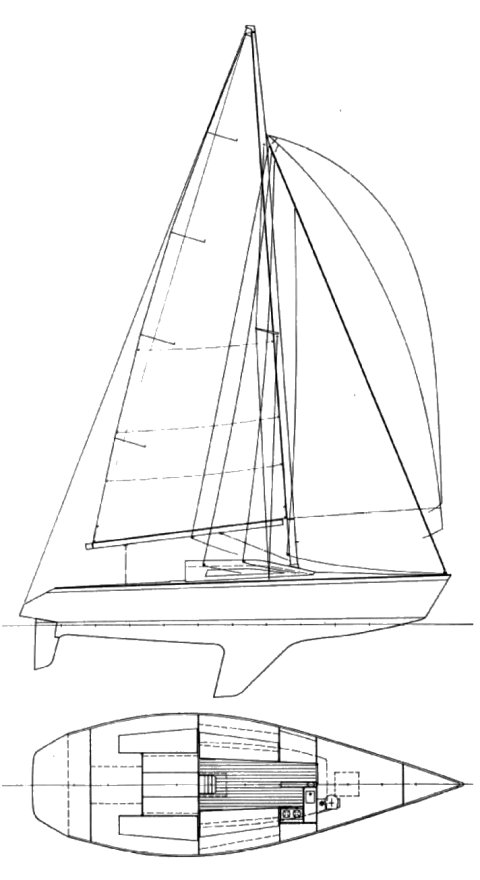
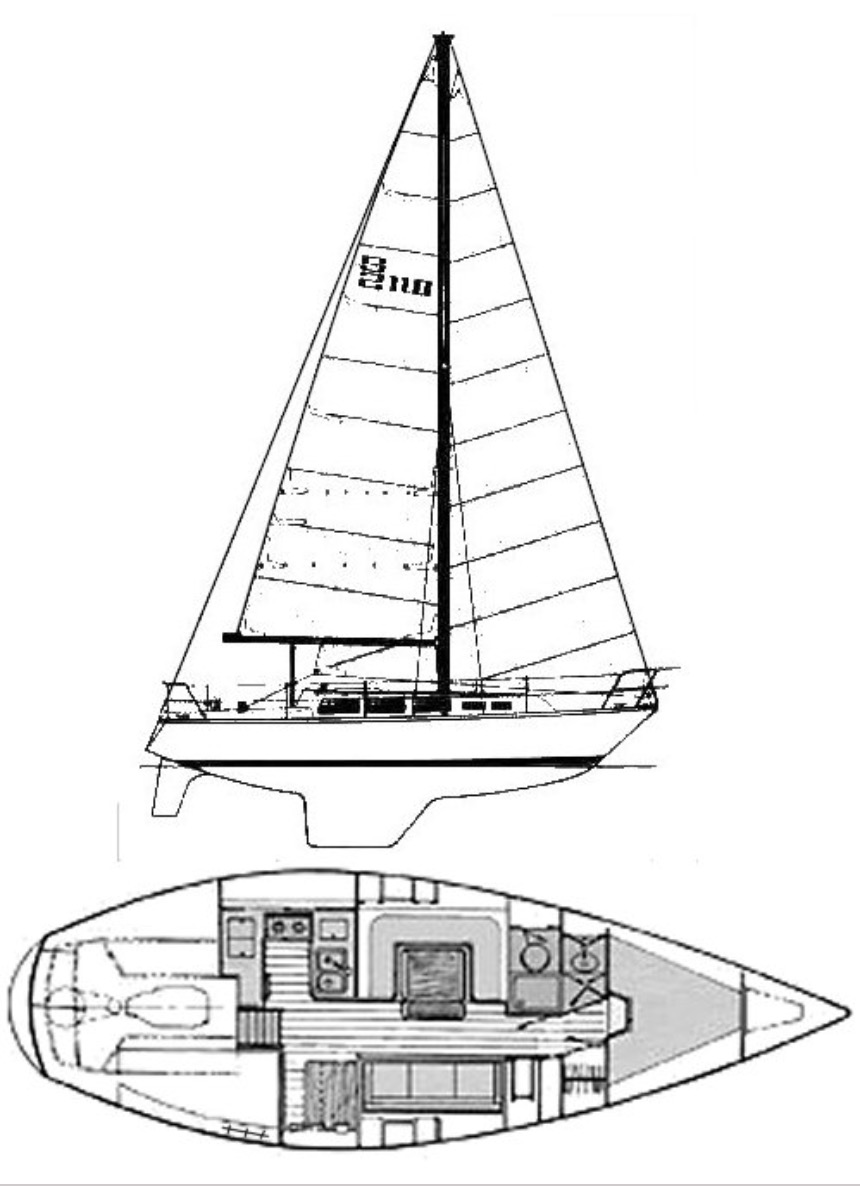
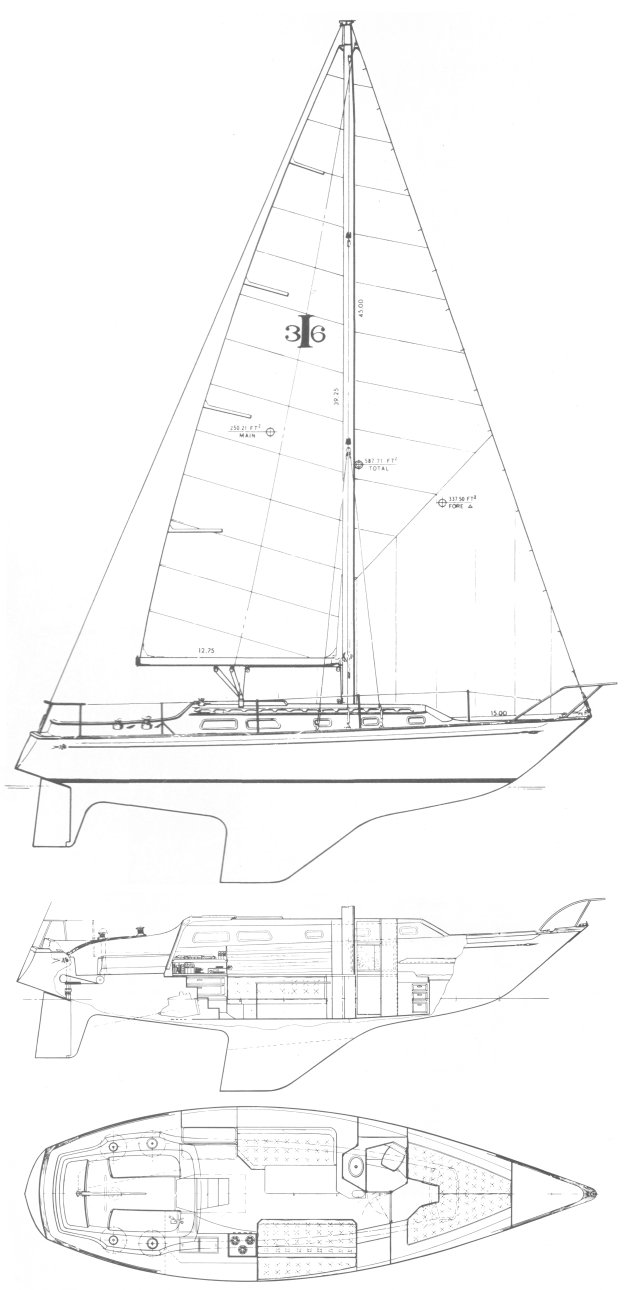
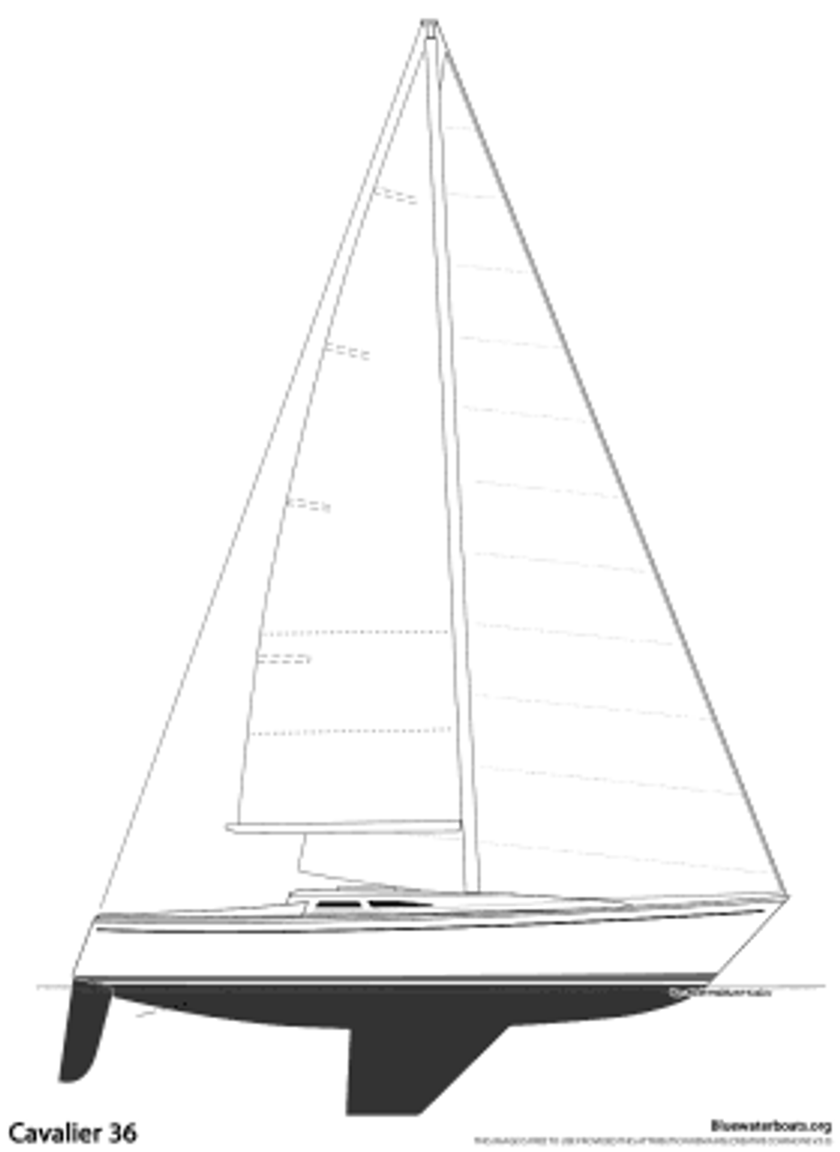
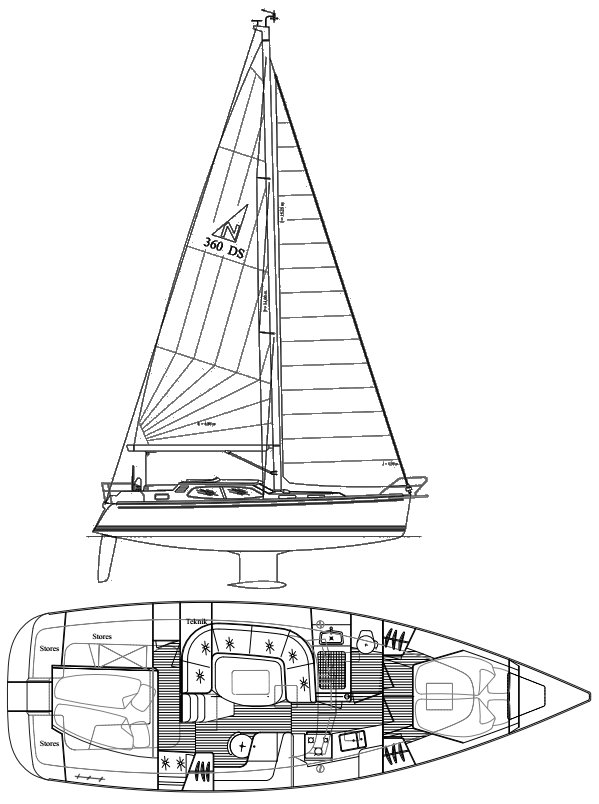
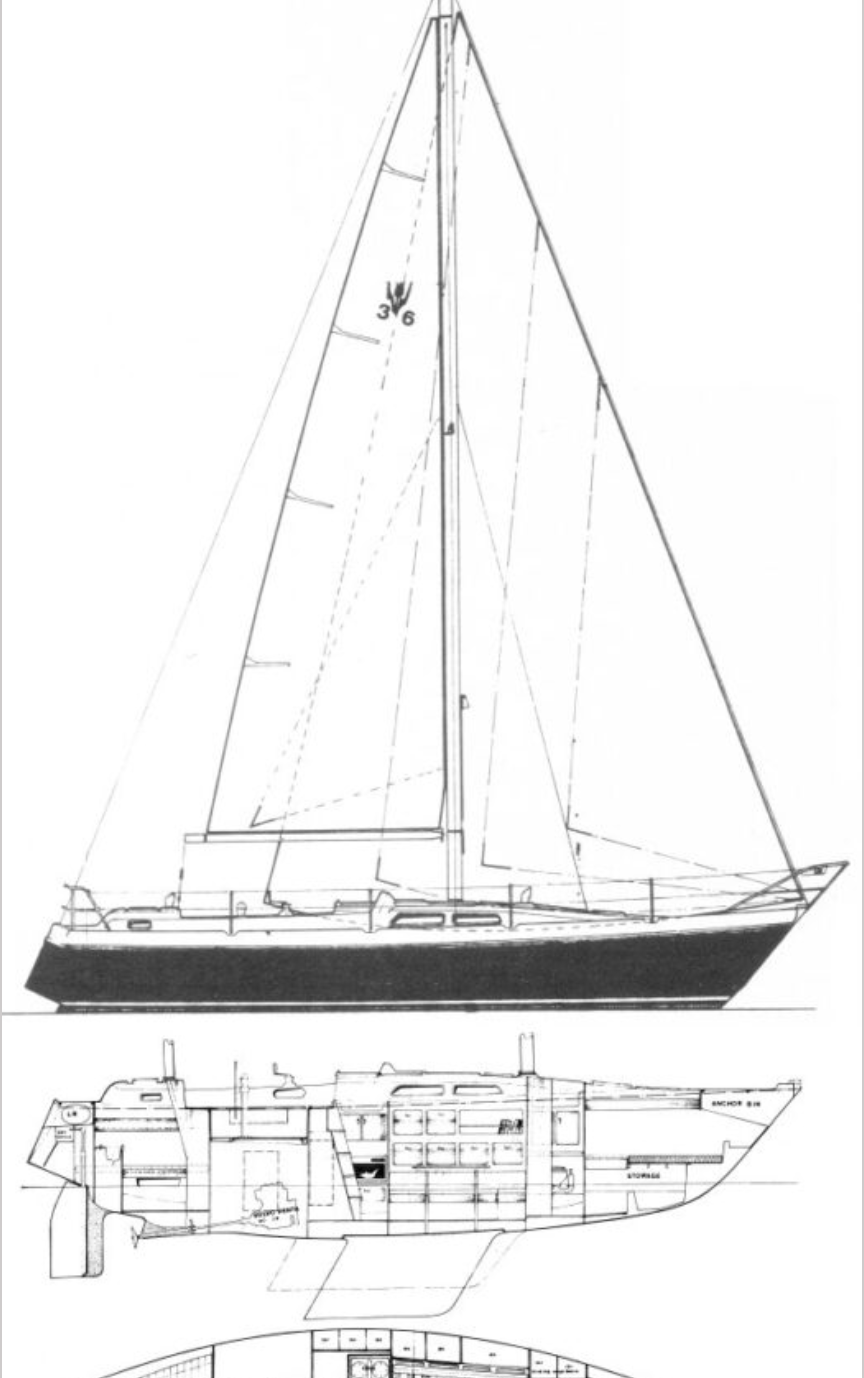
The 36 was offered as both a sloop and a ketch, with a fin keel and skeg-hung rudder underneath either rig. At nearly 17,900 lb displacement on a 28 ft 9 in waterline, it is a heavy boat for its length, and a 37 percent ballast ratio keeps it stiff under the taller sloop rig or when carrying a mizzen. Two independent spec sources, sailboatdata.com and Good Old Boat’s saildata archive, agree exactly on every dimensional figure, though they disagree on the production run itself: sailboatdata.com dates it 1974 to 1981 with 90 hulls built, while Good Old Boat dates it 1973 to 1978 with roughly 60 to 70 built. That gap has not been resolved here.
Under Sail
An SA/D of about 12.5 and a capsize screening figure of 1.71 mark the 36 as a genuinely heavy-displacement cruiser, closer to a passagemaker than a performance boat, which tracks with Contest’s general reputation for solid, seaworthy construction over speed. John Neal’s Mahina list rates the Contest range 4 out of 5, though his note addresses the marque broadly, from the 31 up through the 60, rather than the 36 specifically.
Buyers Notes
Given the production-count discrepancy between sources, ask any seller for the hull number and try to confirm the actual build year independently rather than relying on either source’s range alone. As with most fiberglass boats of this era, have a surveyor check deck coring around hardware and the condition of the original Volvo Penta MD17C diesel or its replacement. If considering a ketch-rigged example, budget for the added rigging and mast-step maintenance that comes with the second mast.