Overview
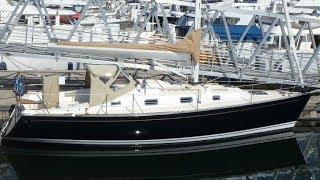
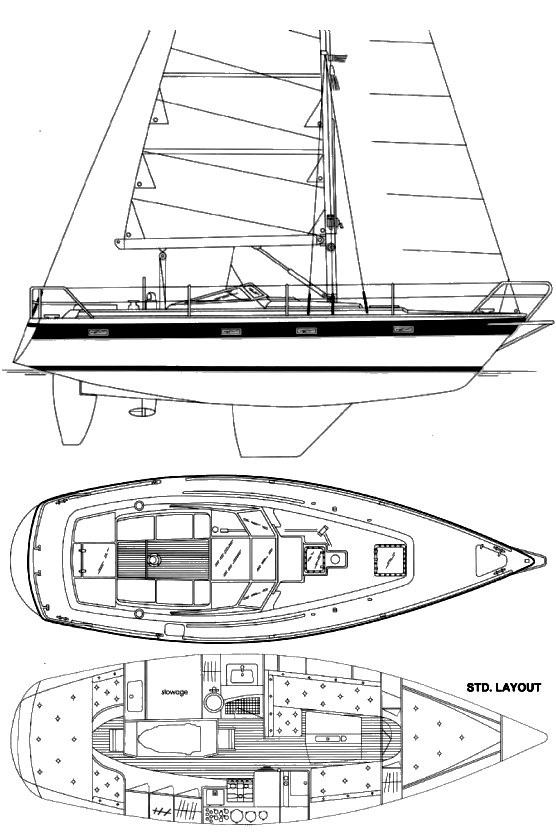
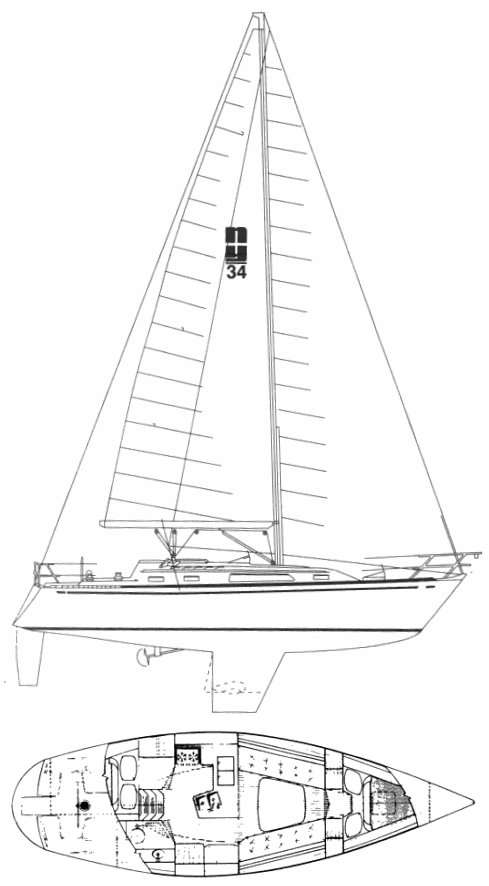
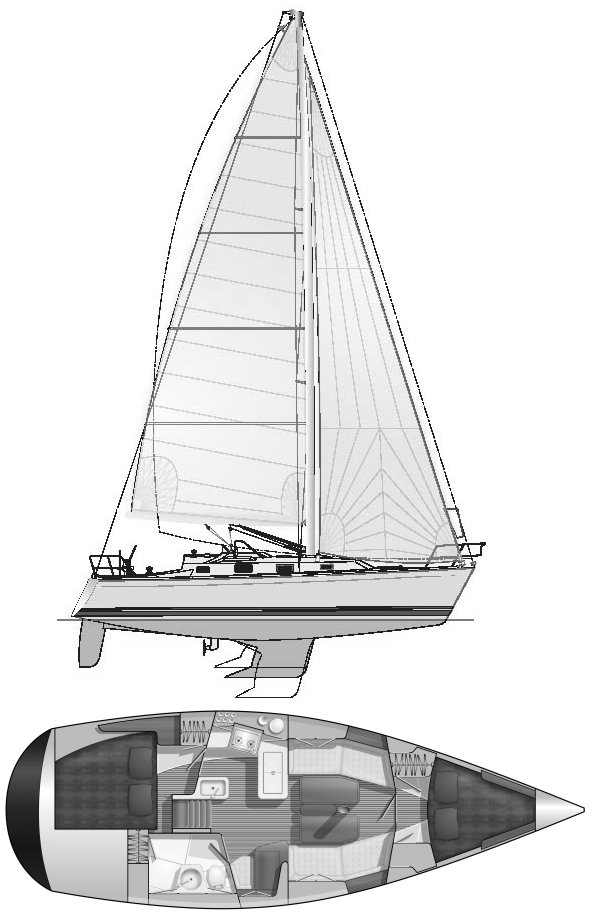
The Tartan 3400 is a Tim Jackett performance cruiser introduced in 2002. The standard configuration combines a carbon masthead sloop rig with a self-tacking jib, a 30-foot-5-inch waterline, and 10,800-pound displacement. Tartan offered three keel arrangements, so the model cannot be described accurately with one draft figure alone.
The fin keel draws 6 feet 6 inches. The beavertail keel draws 4 feet 11 inches. The keel-centerboard version ranges from 3 feet 11 inches with the board raised to 7 feet with it lowered. Displacement and ballast also change by version.
Construction and layout
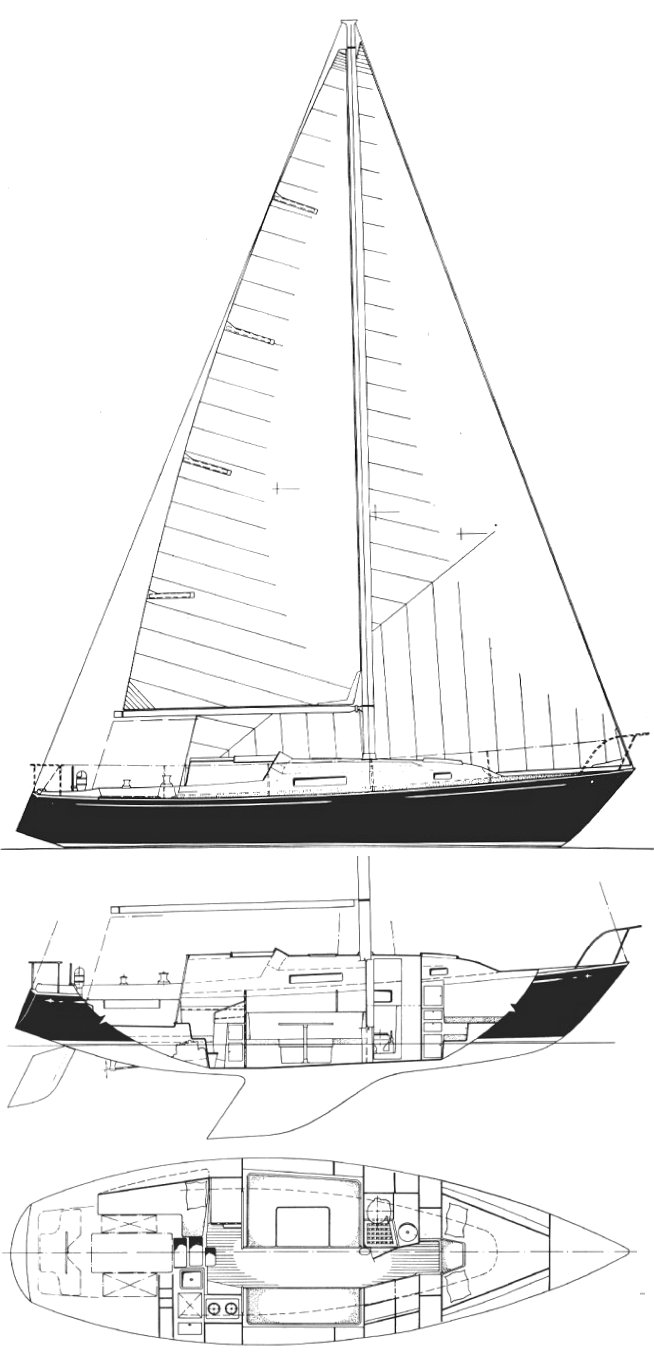
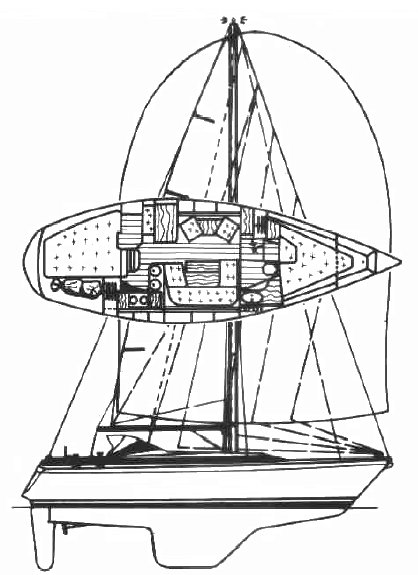
The factory specification describes a composite hull and deck, carbon mast, and carbon pocket boom. The keel is externally attached, and the standard auxiliary is a diesel saildrive. The accommodation includes a forward cabin, saloon, aft cabin, galley, navigation station, and enclosed head. Good Old Boat’s Bert Vermeer reports a hull of unidirectional E-glass, epoxy resin and Corecell foam, with a balsa-cored deck that is replaced by solid laminate under deck hardware. Tartan does not through-bolt deck hardware: stainless fasteners are drilled and tapped into aluminum plates molded into the deck, so fittings can be removed without dealing with headliners below. The hull-to-deck joint is the deck laid on an inward-facing hull flange, with a molded-in T6 aluminum flat bar forming a full-length backing plate.
Under sail
The self-tacking working jib reduces cockpit work upwind. A separate masthead reacher increases sail area in lighter air. The carbon mast reduces weight aloft, while the deep fin offers the simplest performance-oriented keel package. Shoal and centerboard versions trade some simplicity or draft for access. Practical Sailor’s testers drifted in winds under two knots until they set the optional reacher, and they recommend buying one. Under the working jib she tacked through about 100 degrees. Vermeer found her dry and stable in 15 to 20 knots of wind, reaching 7 knots on a tight reach, and he notes the self-tacking jib costs some pointing ability compared with an overlapping genoa.
Buyers notes
Confirm the keel version before comparing specifications or asking price. On the centerboard boat, inspect the board, pivot, controls, and trunk. On every version, inspect the keel joint, rudder bearings, carbon spars, standing rigging, saildrive, and cored structure around deck fittings. Vermeer found that the wheel and binnacle hinder access to the sail control lines at the cabintop edge, and he calls a wheel lock or autopilot almost a necessity for a singlehander.
The factory document is detailed enough to check a listing’s claims. It should be kept with the survey notes so displacement, ballast, and draft are not mixed between versions.