Overview
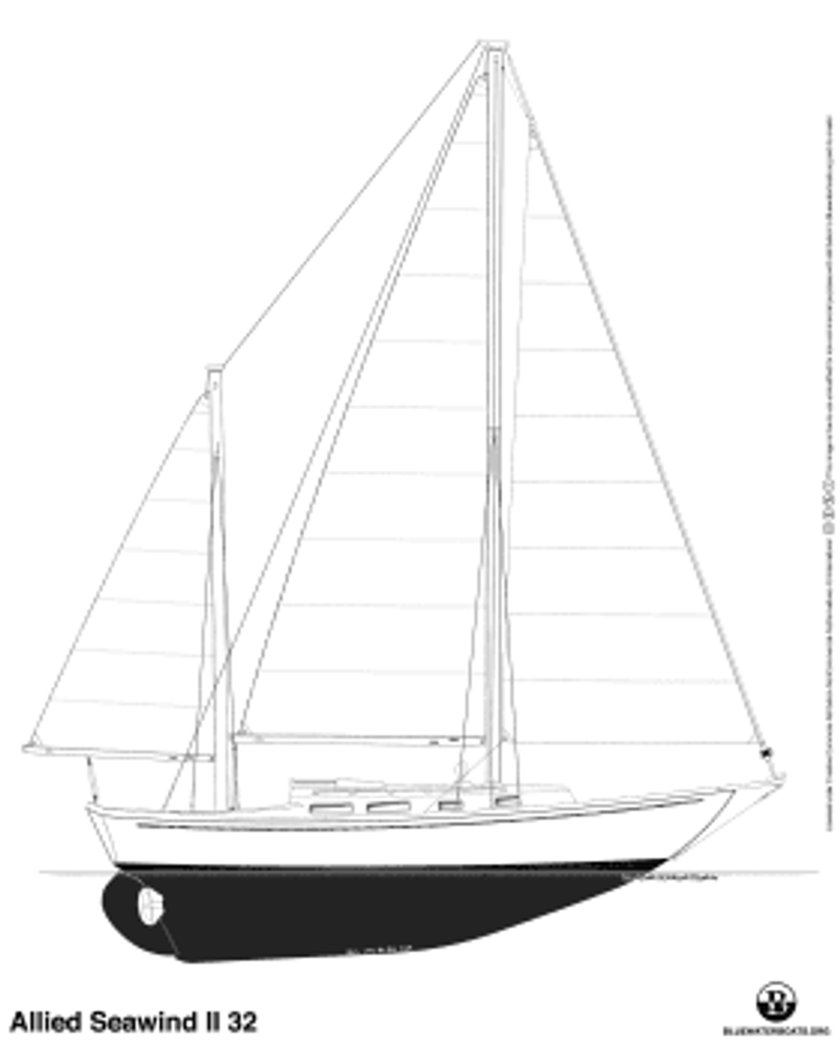
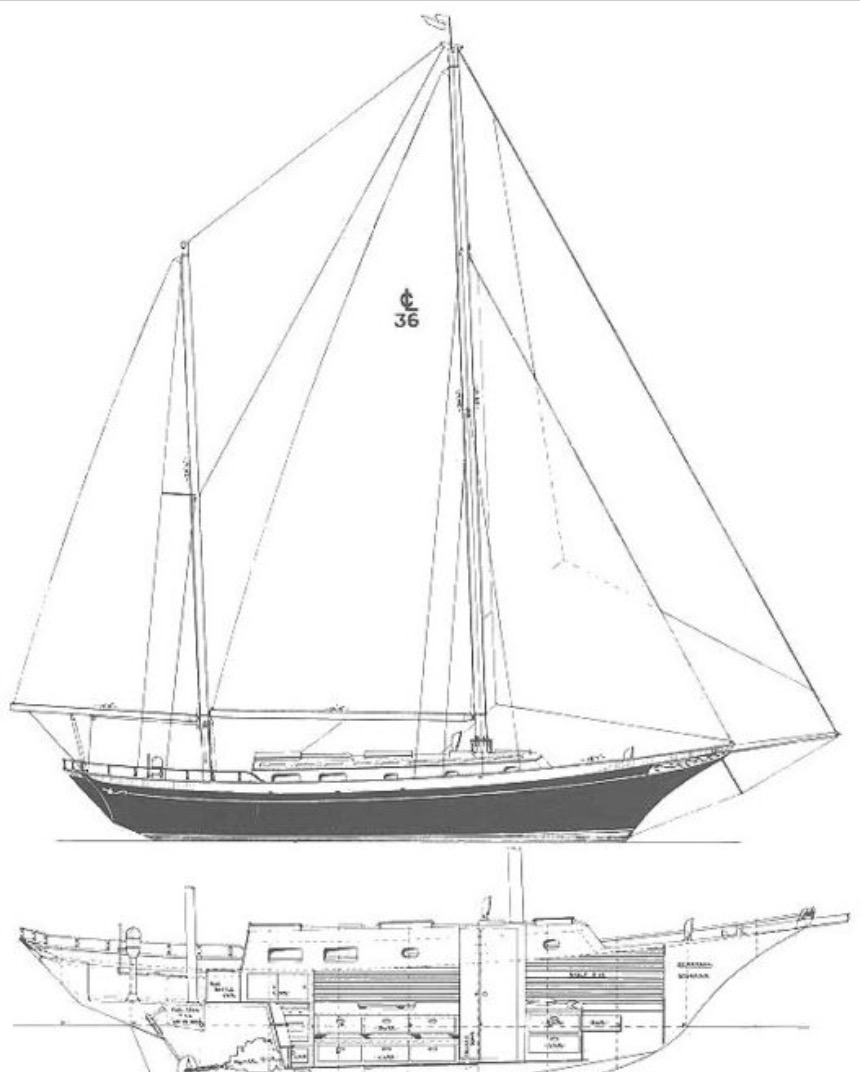
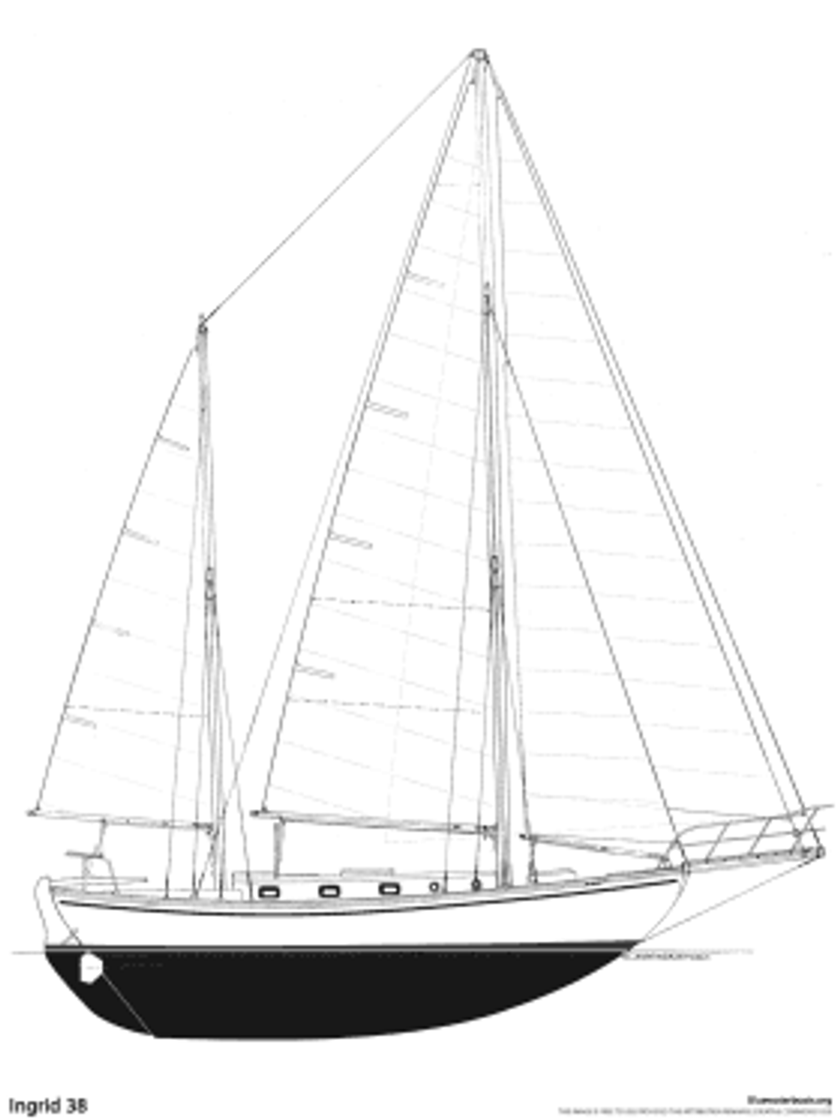
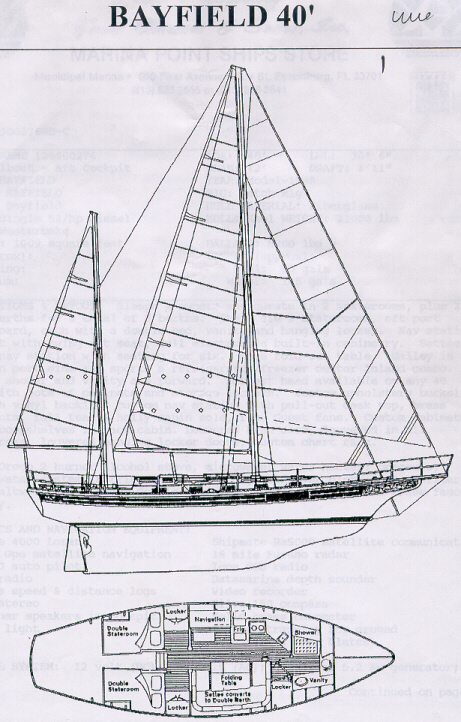
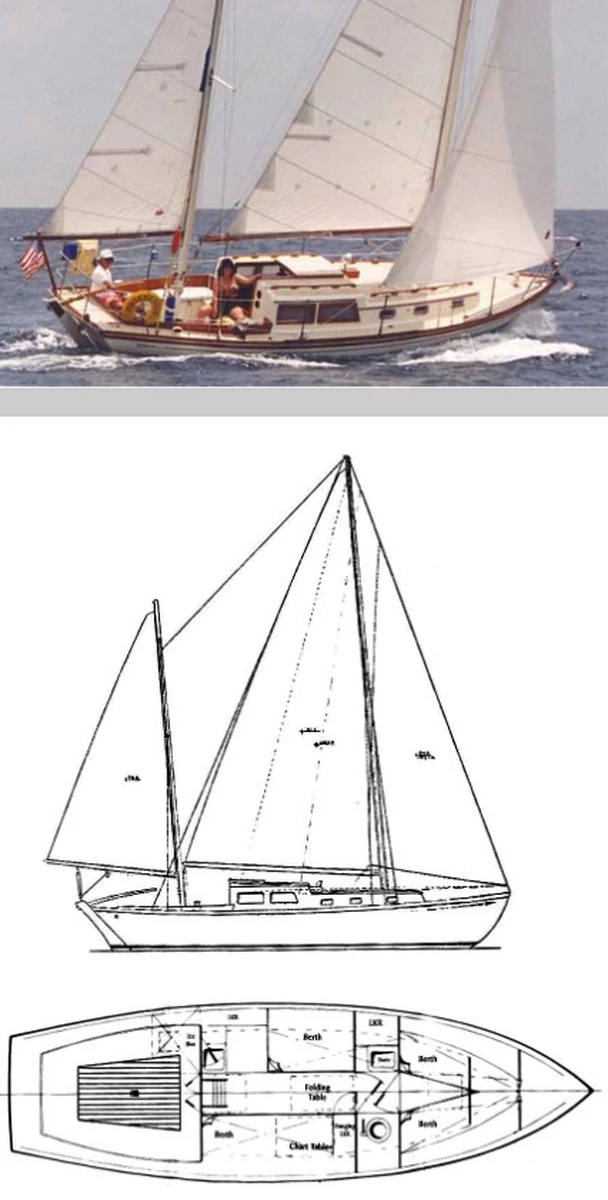
The Bermuda 30 was one of the first sailing yachts Cheoy Lee built for the export market, and it shows: a double-ended, full-keel hull with the low freeboard and long overhangs of a 1940s offshore design, because that is more or less what it is. Naval architect L. Francis Herreshoff drew the boat as an enlargement of his own H-28, and Cheoy Lee’s Hong Kong yard built it first in teak planking and later with a fiberglass hull under a wood deck and superstructure. Sources disagree slightly on beam and displacement by a few percent, which is typical for a boat this old with no factory spec sheet left standing, but the broad shape of the numbers is consistent across every source checked.
History
Cheoy Lee built the Bermuda 30 from 1962 to 1967, one of the yard’s earliest yacht designs and part of the same push into Western pleasure-boat markets that later produced the Offshore 31 and the Luders-designed boats. The model was sold as a ketch or as a sloop, and it was available both in solid teak and, as the yard’s fiberglass moulding matured, in a glass hull with a wood deck and cabin. It never went fully into the mass-production numbers of later Cheoy Lee models, and both the club history at the Cheoy Lee Association and sailboatdata’s summary describe it as a comfortable family cruiser rather than a racer, a boat meant to be lived aboard rather than raced around a buoy.
Construction
The hull is a full keel with the rudder hung on the trailing edge; fiberglass hulls are hand-laid solid glass with no core to worry about below the waterline. On construction detail, the Cheoy Lee Association’s own build sheet corrects an earlier assumption here: the deck and cabin top on the fiberglass-hulled boats are themselves fiberglass, not solid wood, with teak used for cabin and cockpit trim rather than the whole structure. Teak still shows up throughout: 3/4-inch teak planking on wood-hulled boats, teak cabin and cockpit trim across the board, yacal for the stem, sternpost, and horn timber, and hollow spruce spars, so exterior wood maintenance is still real, just not to the extent of a fully wood deck. Ballast figures were not documented in any source checked for this entry, so no ballast ratio is given here; a surveyor should be asked for the boat’s actual measured ballast rather than relying on a period brochure number.
Under Sail
With a DL ratio in the low 300s the Bermuda 30 is a heavy boat for its length, in the same weight class as other Cheoy Lee full-keel cruisers of the era. Herreshoff’s ketch rigs of this period are generally easy to balance and easy to shorten down by dropping the mizzen, and a full keel with a keel-hung rudder tracks straight and forgives an inattentive helm at the cost of quick tacking. Expect a boat that wants to be sailed conservatively, that heaves to well, and that will not be quick in light air given its displacement.
Buyers Notes
James Baldwin’s one recorded minus for the Bermuda 30 is blunt: “Lots of exterior wood to maintain even on the fiberglass version.” That still holds even with the deck material corrected above: teak cabin sides, cockpit trim, planking on wood hulls, and spars all add up to real, recurring upkeep regardless of hull material. Given the age of these boats, a survey should pay particular attention to deck fastenings and core condition, the rudder’s keel-hung fittings, and whether a given boat has been converted from ketch to sloop or back, since running rigging and mast step details will differ. Ask for maintenance records on the teak specifically; it’s the recurring cost owners mention most.
The Cheoy Lee Association’s own owner survey names five active Bermuda 30s and their owners as of that count: Typhoon (James Geil), Orient Star, Sorceress (Nancy Foster and Bob Boudreau), Orient Express (Denis Camps), and Aeolus (Andrew Williamson), evidence this design still has an active community of owners worth reaching out to before buying.