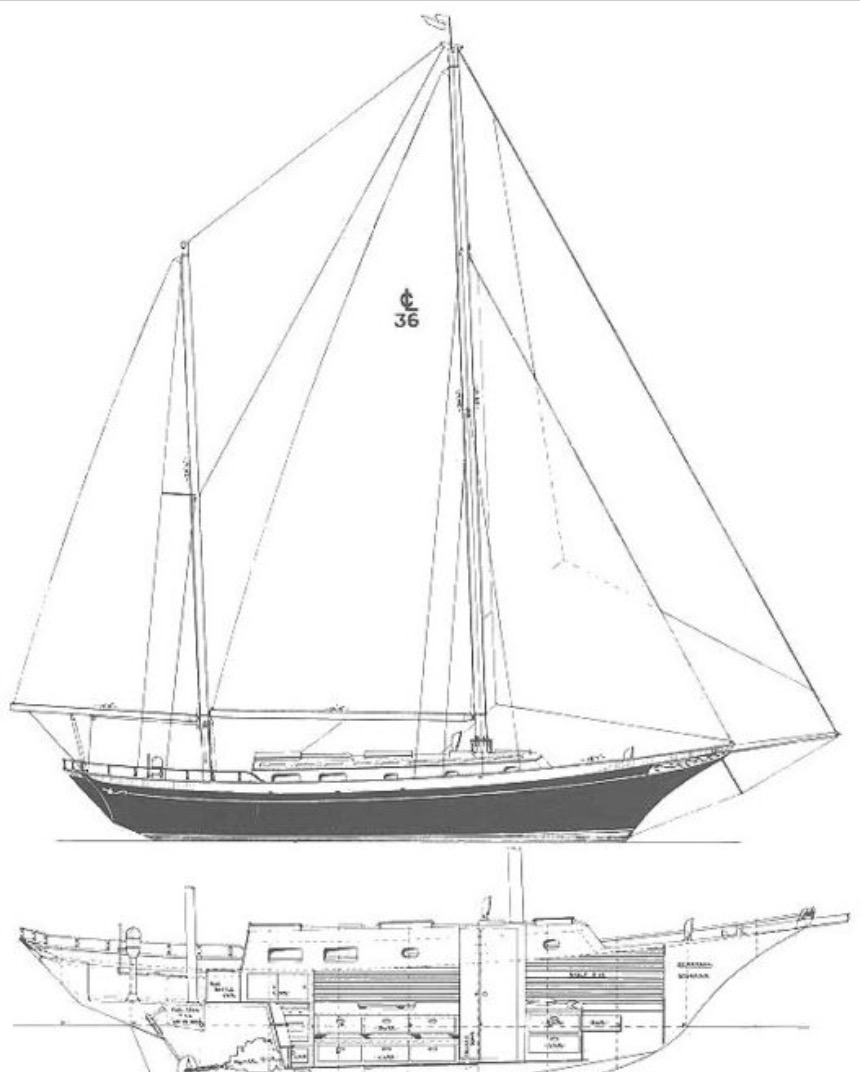
coastal-cruiserfull-keel

Cheoy Lee Clipper 36

Cheoy Lee Shipyard (Hong Kong) · 1969–1988 · Ketch rig

Cheoy Lee Clipper 36
LOA35.63'
Beam10.75'
Draft5.25'
Displ.8.1t
Rigketch
Hullfiberglass

Bluewater Evidence · Unverified

20% confidence

No documented named ocean passage was found for this design in this research pass. Practical Sailor rates its seaworthiness as excellent once past its initial tenderness, but the same review flags a real offshore-relevant gap on some hulls (no emergency rudder provision on the original steering system) and several maintenance liabilities, so this stays unverified rather than capable.

Known Issues

Steering (original cable-quadrant system)seriousPassageBoats editorialEarly production

The original cable-quadrant steering system had no provision for an emergency rudder on some boats, a real gap for anyone considering this design for serious offshore passages.

Inspection: Confirm whether a specific hull's steering system has an emergency rudder provision, and treat its absence as a genuine offshore-readiness gap to close before passage-making, not a cosmetic concern.

Keel (iron ballast)moderatePassageBoats editorialAll years

The iron ballast keel is susceptible to corrosion without regular epoxy coating and maintenance.

Inspection: Inspect keel coating condition and corrosion history on survey.

Decks (teak overlay)moderateOwner-reported, unverifiedAll years

Teak decks are prone to leaking as fastenings age, and replacement is a major expense; one owner reported paying $14,000 for a new fiberglass deck.

Inspection: Check for deck leaks and soft core, and budget for eventual teak deck replacement or removal if not already addressed.

Overview

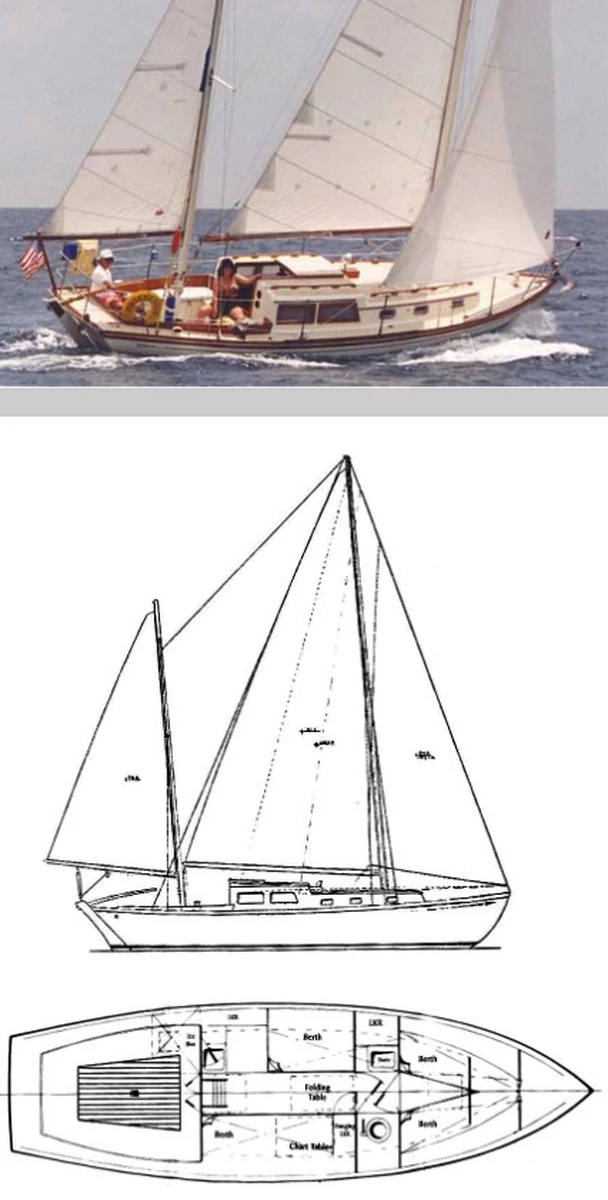
The Cheoy Lee Clipper 36 is one of four sizes (33, 36, 42, and 48 ft) in a series designed by Bill Luders and built at the Cheoy Lee shipyard on Hong Kong’s Pearl River. Its classic proportions, a moderate-overhang, full-keel hull with a divided ketch sailplan and a bowsprit, drew comparisons to L. Francis Herreshoff’s Ticonderoga and made the Clipper series a fixture of the American cruising-boat market through the 1970s and 1980s.

History

Cheoy Lee built the Clipper 36 from 1969 to 1988, with about 60 hulls completed. Like much of Cheoy Lee’s output of the era, it benefited from skilled, labor-intensive Hong Kong craftsmanship, evident in its lavish teak interior joinery. The design remained popular enough that boats continued arriving in the U.S. market well after production wound down.

Design and Construction

The hull is solid fiberglass, notably thick (roughly 7/16 in at the sheer to a full inch at the keel), with fiberglass decks finished in a teak overlay and bulkheads well bonded to the hull. Standard rig is a staysail ketch with wooden spars and a bowsprit; the same hull was also offered as a cutter or as a two-masted schooner. At just over 16,000 lb with a 33 percent ballast ratio on an iron keel, it is a heavy, traditional design rather than a light performance cruiser, and independent reviewers note it does not excel upwind or down, nor does it back down particularly well under power.

Under Sail

Owners rate seaworthiness highly once the boat stiffens up from its initial tenderness, and the full keel with attached rudder gives the kind of forgiving, tracking-oriented manners typical of the type. Practical Sailor flags one real offshore-relevant limitation worth taking seriously: the original cable-quadrant steering had no provision for an emergency rudder on some boats, a genuine gap for anyone planning serious passages rather than coastal cruising. No documented named ocean passage was found for this specific model in this research pass.

Buyers Notes

Survey priorities are real and well documented: gelcoat quality was inconsistent from the factory (one owner repainted topsides after only three years), teak decks are prone to leaking and costly to address (one reported replacement ran $14,000), the iron keel needs a maintained epoxy coating to resist corrosion, the cored fiberglass rudder can split, and non-marine plywood was used in some bulkheads, a rot risk worth checking directly. The original electrical system used positive-ground wiring, which complicates troubleshooting and modern equipment integration, and stainless chainplates were originally through-bolted with iron fasteners prone to corrosion.
Recommended In

As an Amazon Associate, PassageBoats earns from qualifying purchases.

  1. [1]SpecificationsCLIPPER 36 (CHEOY LEE) - SailboatData.com- Dimensions, displacement, ballast, reported sail area, hull type (long/full keel), rig (staysail ketch, with cutter and schooner options), designer, builder, and production years/hull count (60, 1969-1988). Fetched via browser automation.
  2. [2]ReviewCheoy Lee Clipper 36 & 42 Used Boat Review - Practical Sailor- Independent construction-quality and known-issues review: gelcoat, teak decks, iron keel corrosion, rudder, bulkheads, electrical system, and the emergency-rudder steering gap; notes Jimmy Buffett once owned a Clipper. Fetched directly, not WebSearch synthesis.
  3. [3]BookTwenty Affordable Sailboats to Take You Anywhere (John Vigor)- Source of this boat's inclusion via data/book-lists.json.
See something wrong? Suggest a correction

Corrections need evidence: a link or citation we can check. Sourced suggestions get reviewed and credited in the entry's change notes if applied.

Owner knowledge counts: name the boat and year so we can attribute it.