Overview
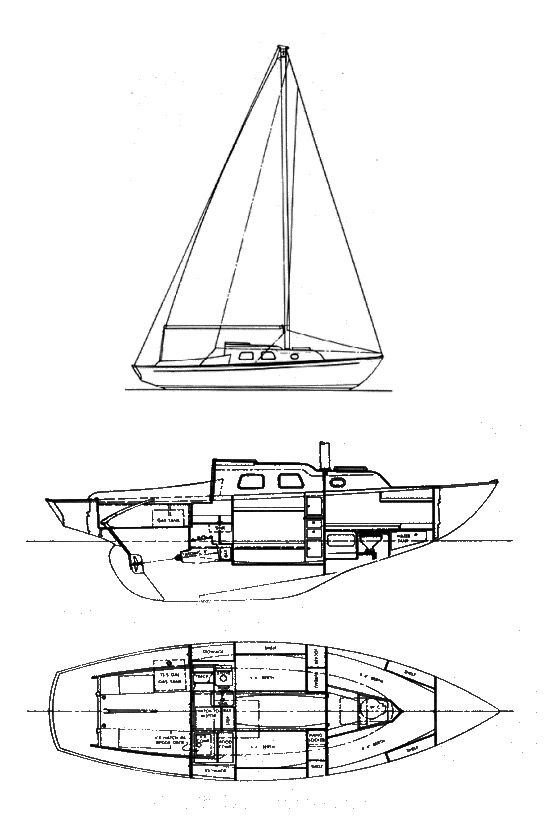
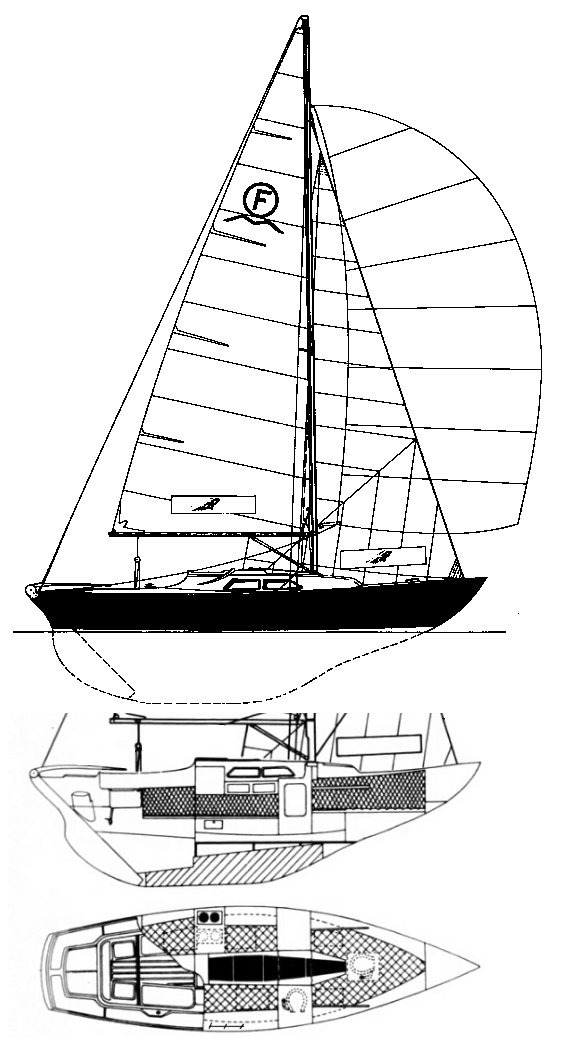
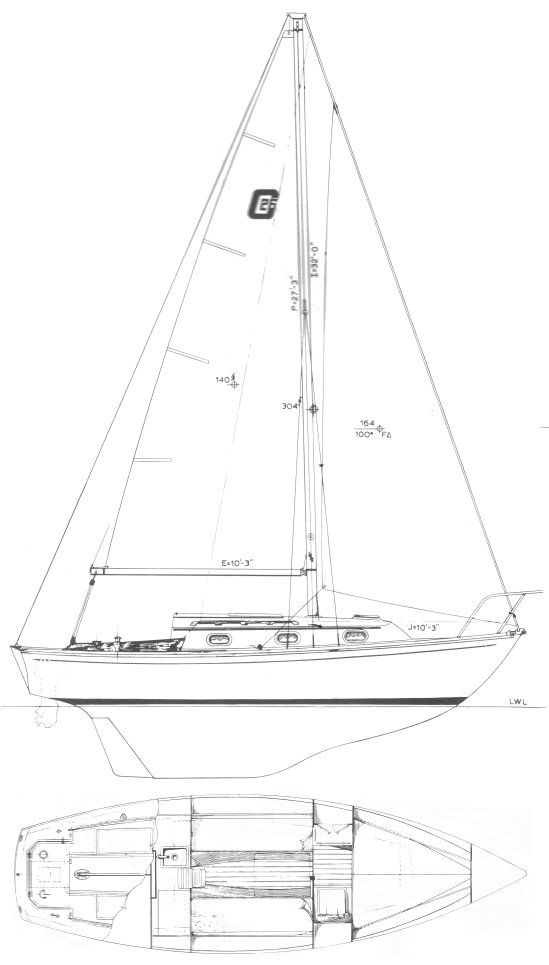
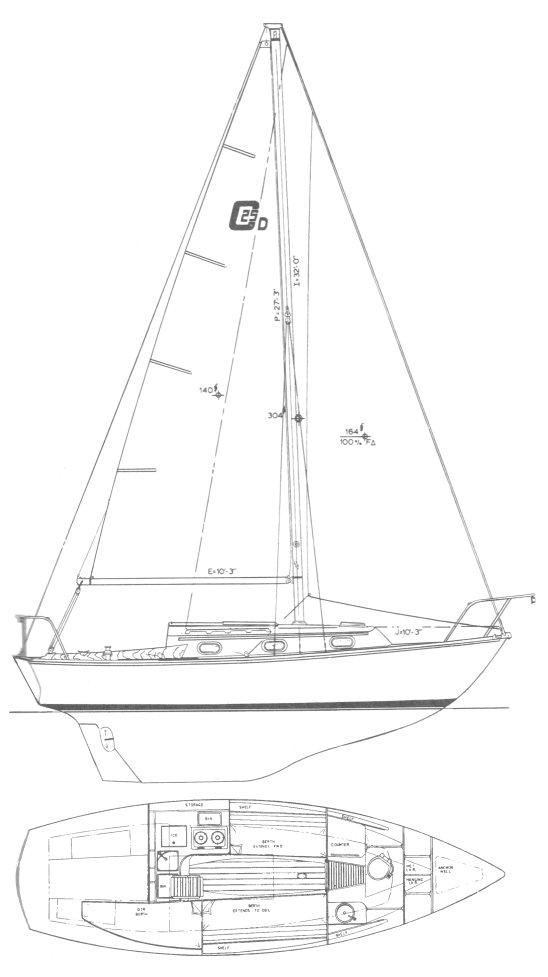
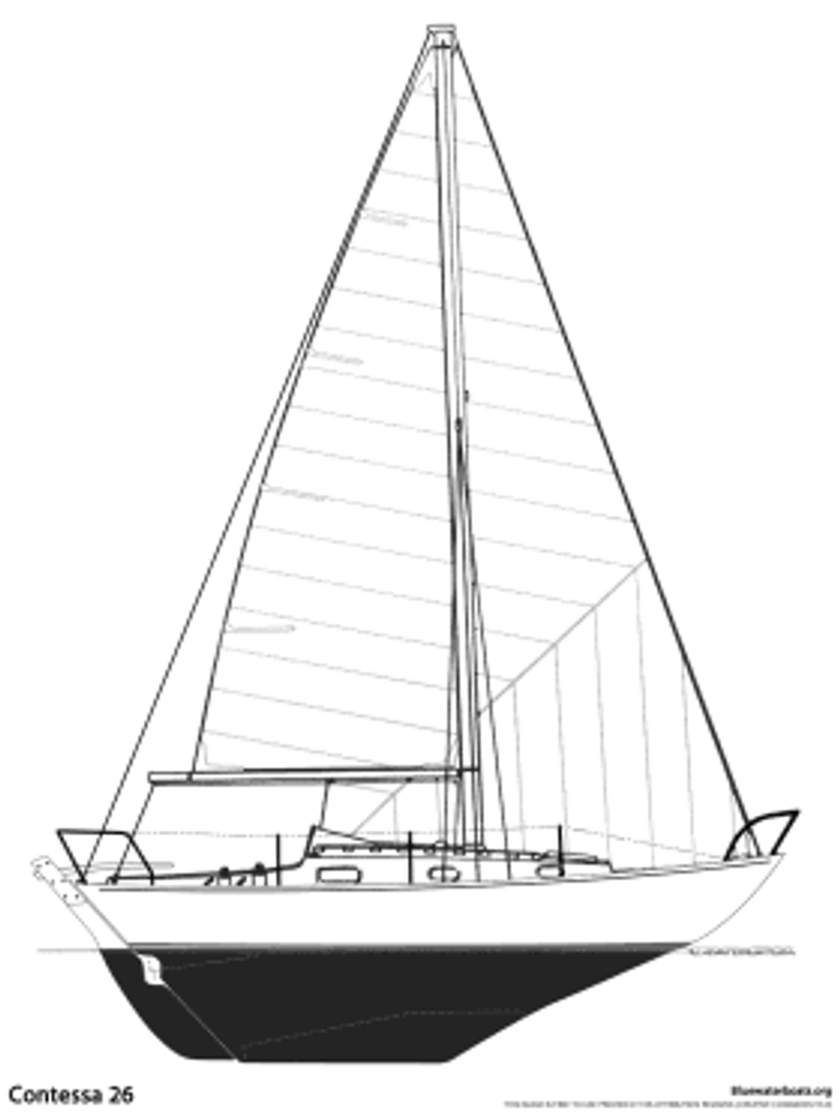
The Contessa 26, designed by David Sadler and built by Jeremy Rogers starting in 1966, is one of Britain’s best-known small production cruisers, roughly 650 hulls sailing worldwide today. The design grew directly out of the Swedish Folkboat, whose lines Rogers had built in wood before Sadler proposed adapting them to fiberglass with a horizontal keel base (so the boat could dry out upright), a masthead rig, and a larger genoa for racing.
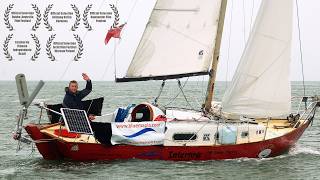
Two real, independently documented circumnavigations anchor this design’s offshore reputation: Tania Aebi’s solo voyage aboard Varuna, recounted in her book Maiden Voyage, and Brian Caldwell’s aboard Mai Miti Vava’u, both aboard the Canadian-built version of the boat.
History
Sadler and Rogers developed the design over late nights at the Rogers family dinner table in Lymington, England, with funding from Vernon Sainsbury, an avid yachtsman and grocery-family backer without whom Rogers has said the boat would never have reached production. The first hull, Contessa of Lymington, launched in 1966 and was an immediate racing success, including a Round Britain win by the smallest entrant, Binkie, and a 25th-place finish in the 1972 OSTAR by Shamal.
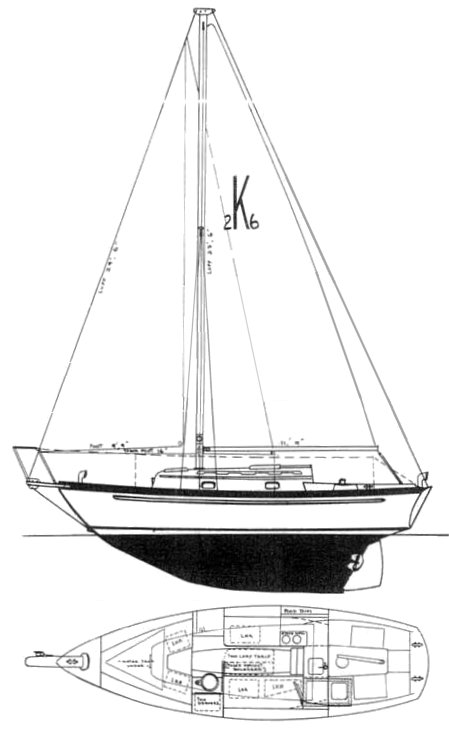
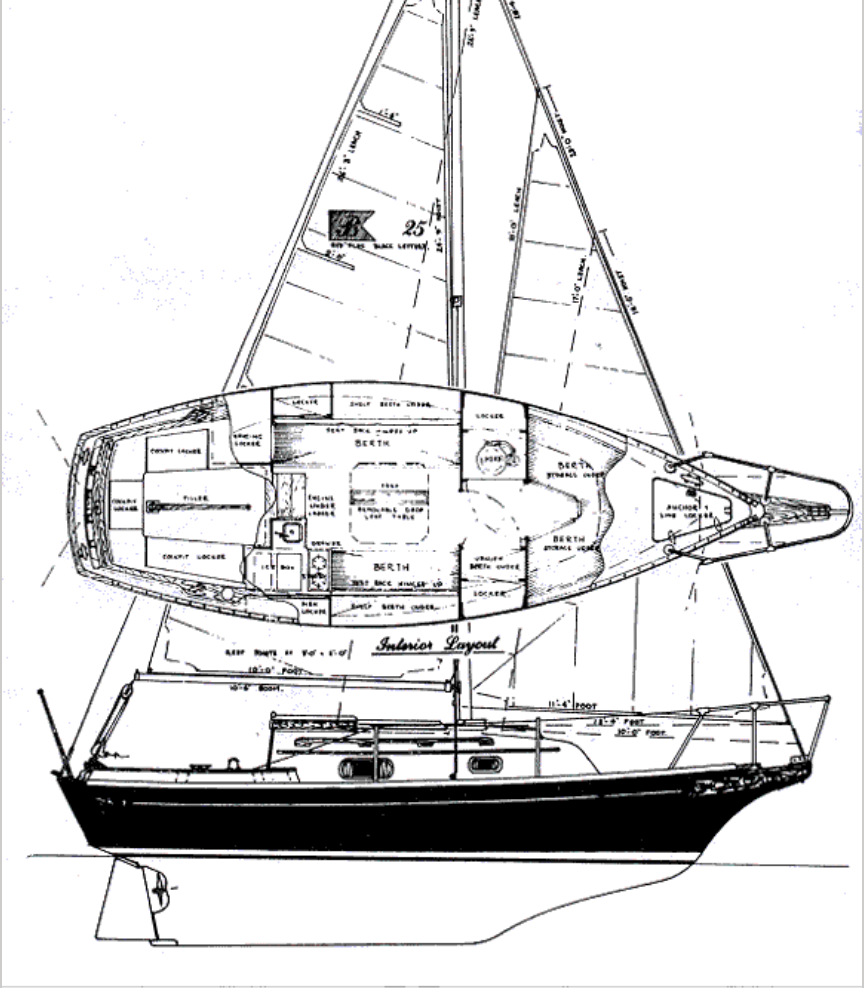
UK production ran to roughly 350 hulls under Jeremy Rogers from 1966 to 1977, after which the molds passed to Chris Carrington and then briefly to Maclan Marine. Rogers had separately licensed a second set of molds to J.J. Taylor of Toronto in 1969, which built the boat in Canada with a modified deck and cockpit; licensing disputes led Taylor to rename its version the Taylor 26 from 1984, with around 400 built in total before the company closed in 1990. Both of the design’s documented circumnavigations were aboard Canadian-built hulls.
Design and Construction
The British hull is solid fiberglass with no deck coring, an advantage over the early Canadian boats, which used plywood or balsa coring in the deck. A distinctive raised “hump” over the companionway, with a keyhole entry instead of a sliding hatch, strengthens and waterproofs the opening at some cost to headroom and light below. J.J. Taylor revised the Canadian deck and interior in 1983, extending the hump for more headroom and adding a midships hatch for light and ventilation; pre-1983 Canadian boats also used cast iron rather than lead ballast and lacked a bow anchor locker.
Under Sail
The Contessa’s racing pedigree shows in genuinely strong windward performance for its size, responsive and well balanced, with a large transom-mounted rudder that suits self-steering gear well. Narrow beam makes the boat tender initially, though roughly half its weight sits in the keel, and owners are divided on sail selection: some report reefing early with the original oversized 130% genoa, while others sail comfortably under a more modest 100-120% headsail and full main.
Buyers Notes
The mast steps on deck, supported by a beam and a structural bulkhead to guard against compression sagging, a detail worth checking on survey along with the usual concerns for a design this age. Buyers should confirm whether a specific hull is British or Canadian-built, since ballast material, deck coring, and interior layout all differ meaningfully between the two.