Overview
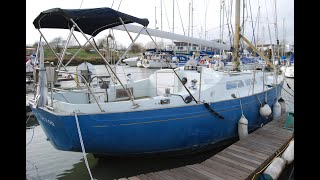
The Nicholson 35 is a Camper & Nicholsons design from the late 1960s, built from 1971 to 1985, with about 200 launched. Yachting Monthly says it quickly earned a reputation as a steadfast ocean cruising yacht, and that these boats have covered millions of sea miles.
Design and Construction
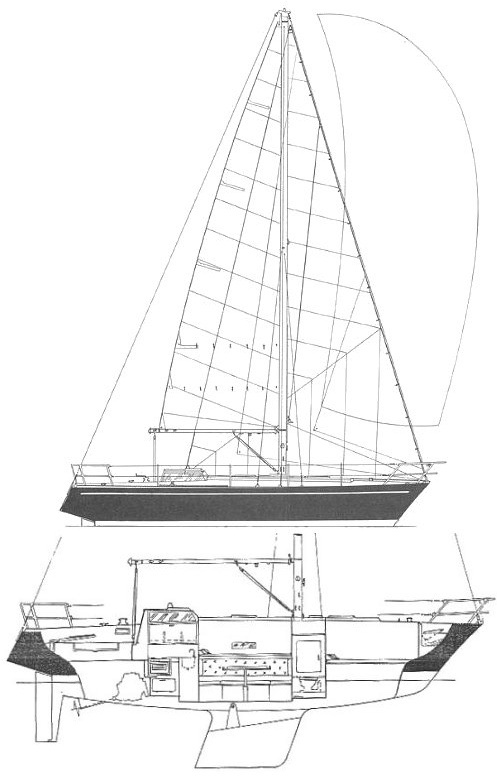
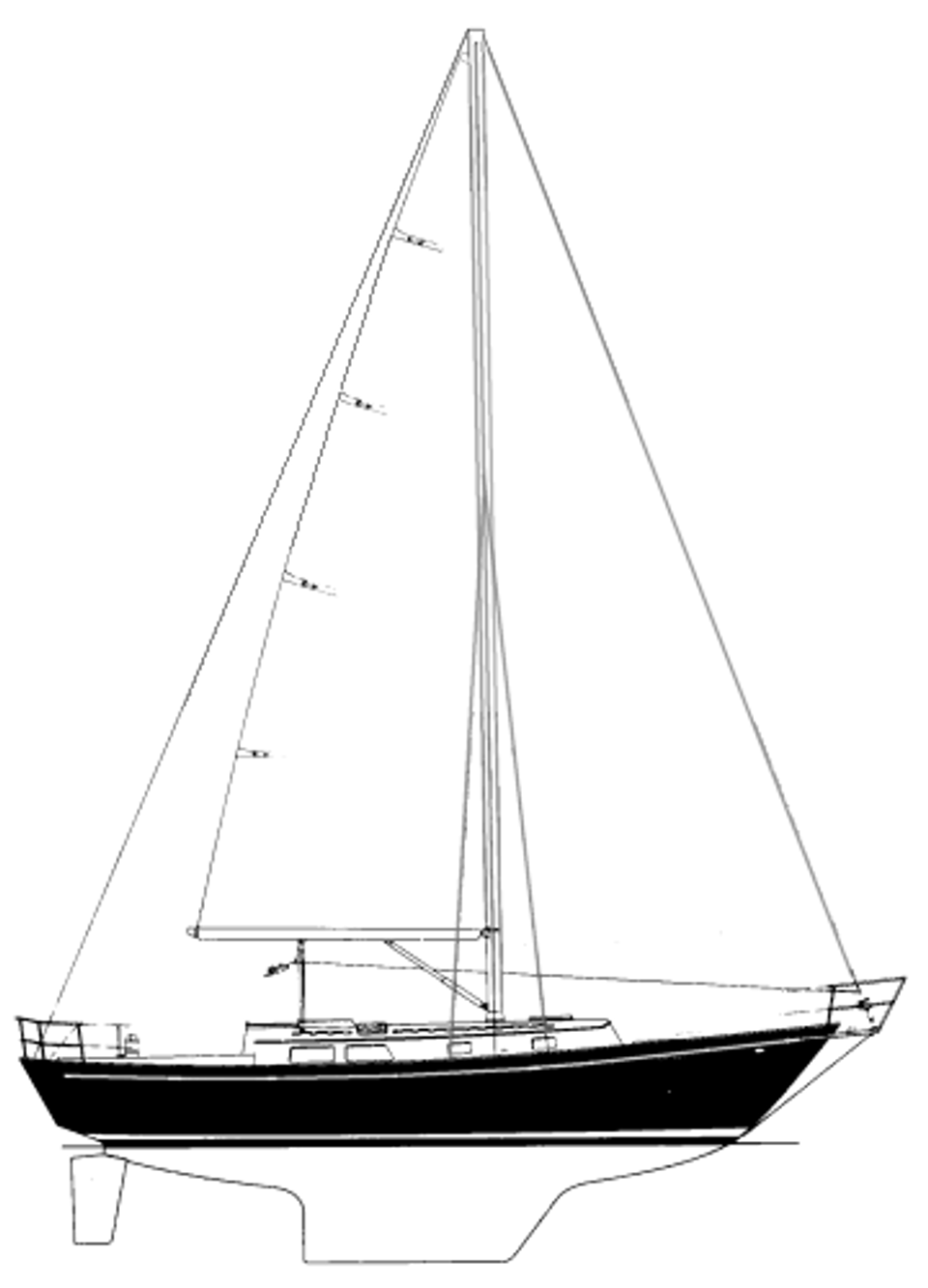
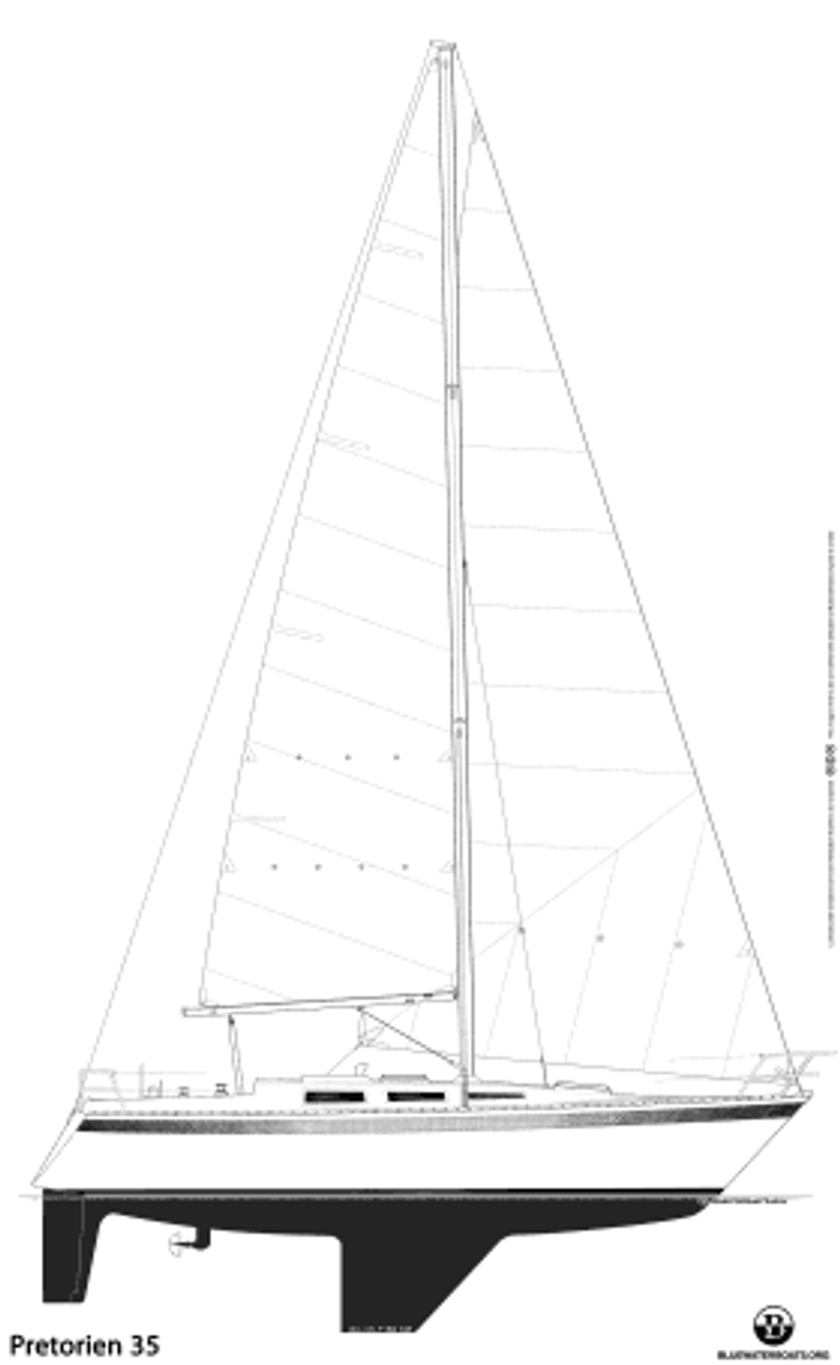
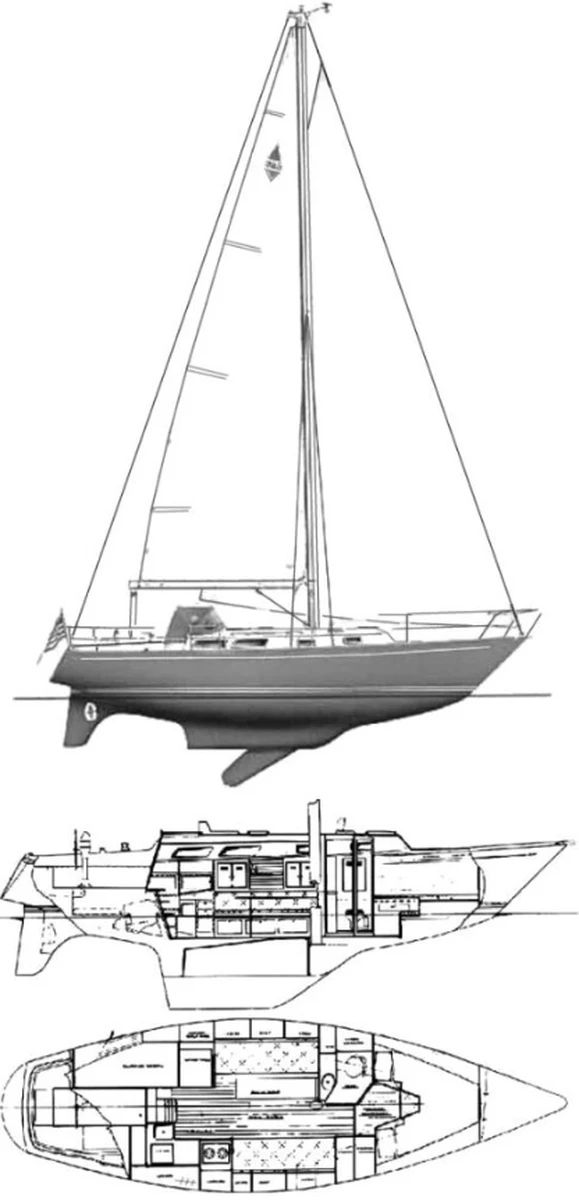
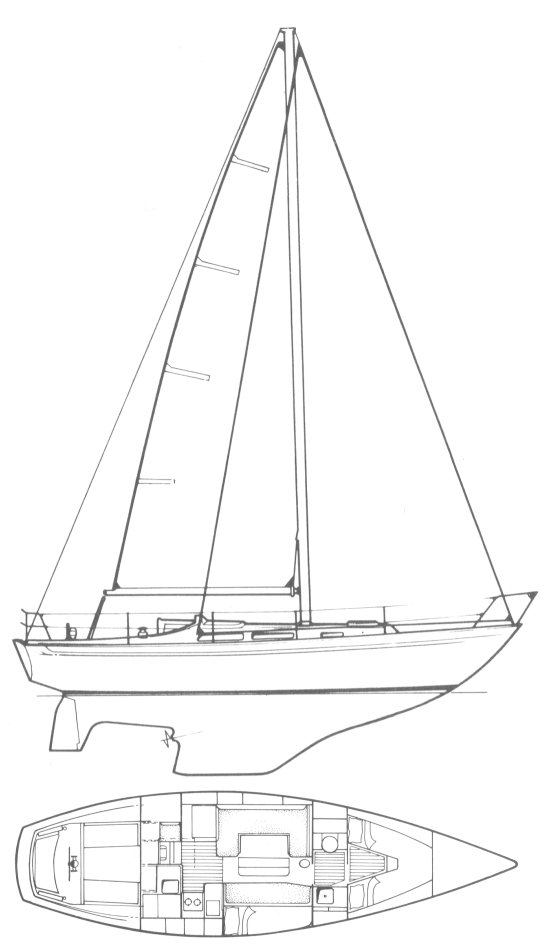
The underbody is a long, low-aspect fin keel with the propeller on its trailing edge and a rudder on a skeg. Displacement is heavy for the length, and the ballast is about 7,300 lb. The original deck gear is of high quality and often still working after forty years. Practical Sailor’s reviewers say the lead ballast is dropped into a molded keel cavity and heavily glassed over, so the outside of the keel should be examined for grounding damage. The shroud chainplates are heavy stainless steel hairpins bolted through what would be the beam shelf on a wooden boat, and the reviewers accepted the installation after finding no chainplate damage on a similarly fitted Nicholson 40 that had been rolled over and dismasted. Some hulls were built under Lloyd’s survey, and a Lloyd’s Hull Moulding Note is fairly common. The reviewers called the structural work first-class and found nothing to fault in the construction.
Under Sail
The deep-vee bow and heavy displacement let her take rough weather with little spray, and she stays stiff, heeling noticeably only from about force 5 and carrying full sail above 20 knots. The large genoa is hard work to sheet in.
Buyers Notes
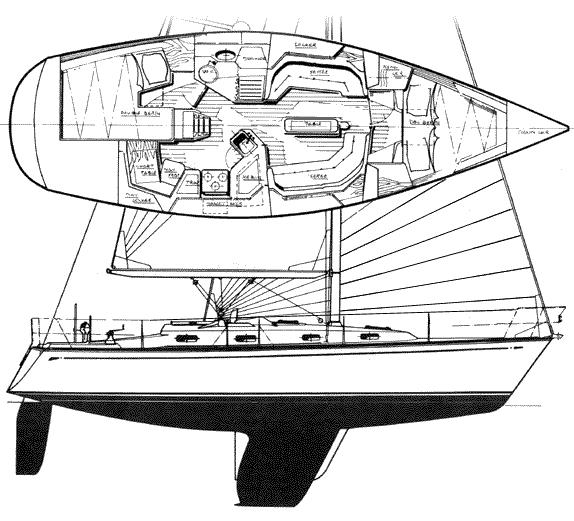
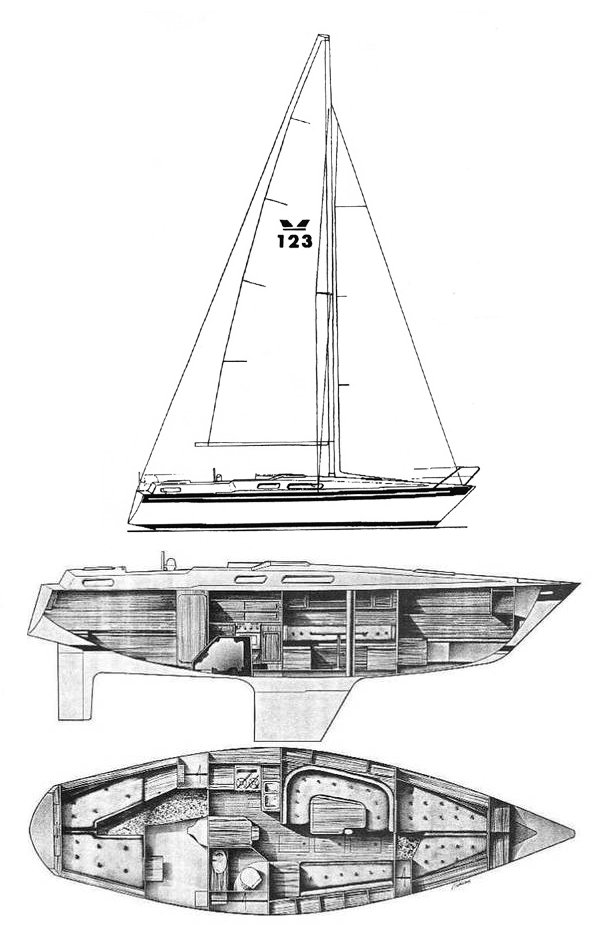
Check the drive train (see Known Issues). The accommodation is fairly basic and the forward cabin small.
Practical Sailor puts her PHRF rating at about 156 and calls the rig a simple masthead sloop with a foam-filled Proctor spar. Early boats have roller-reefing booms and late boats have slab reefing. Its reviewers describe the standard halyard winches as too small for hoisting a person aloft, and say the mainsheet traveler crosses the cockpit just forward of the wheel, so the helmsman cannot easily trim the sheet. They liked the deep cockpit and its molded-in dodger coaming, and the low bulwarks. The ballast to displacement ratio of 42 percent, with the lead low in the molded keel, makes her reasonably stiff in their view. Fuel capacity runs from 33 to 40 gallons, and the boats were built to order, so interiors vary. The forward cabin is reached through a full-width head, and all berths have lee cloths.