coastal-cruiser

CS 33

Canadian Sailcraft (CS Yachts) · 1979–1987 · Sloop rig

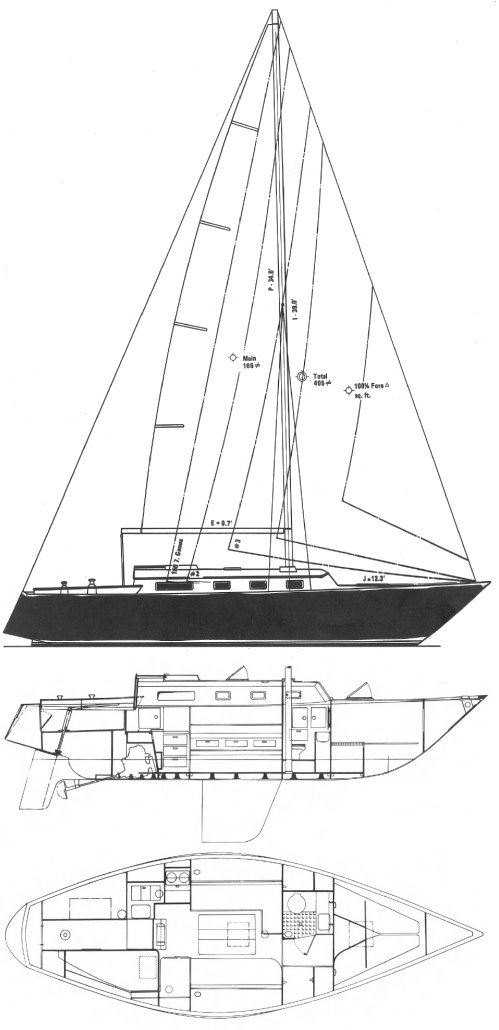
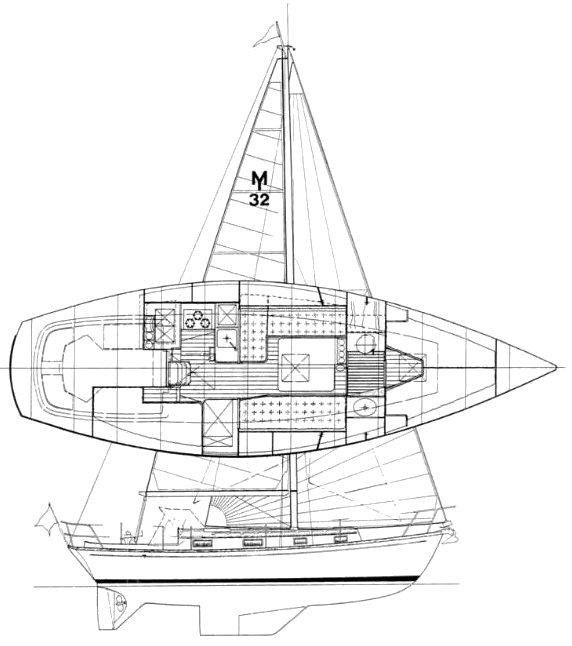
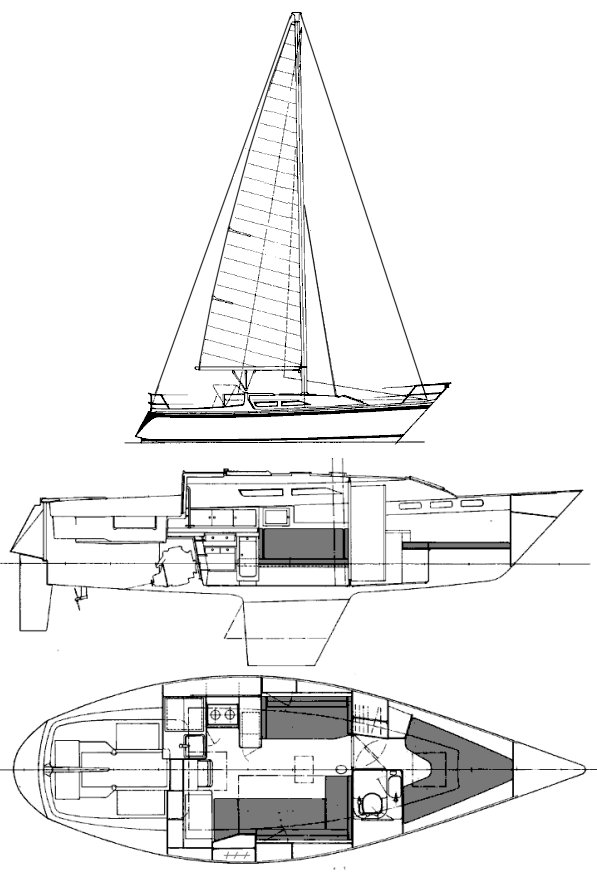
CS 33 profile drawing
LOA32.67'
Beam10.67'
Draft5.8'
Displ.5.0t
Rigsloop
HullFiberglass

Bluewater Evidence · Ocean Proven

76% confidence

John Neal's Boats to Consider for Ocean Cruising lists the CS 33, rated 2 of 5: 'Modern, fairly well built. Occasional blister problems.' Pat Sturgeon's review in Canadian Yachting calls it a great all-around performer, stiff in heavy weather, and a seaworthy boat that will last. Its capsize screen value is 1.98. No named passage is on file yet.

Overview

The CS 33 is a Raymond Wall design built by CS Yachts (Canadian Sailcraft) in Ontario from 1979 to 1987, with almost 450 completed. Wall drew it as a smaller sister to the CS 36.

Design and Construction

The hull is hand-laid solid laminate, through-bolted to the deck, with bulkheads glassed to both. The keel is a high-aspect bolted lead fin and the rudder is a hollow spade. sailboatdata.com lists 32.67 ft overall on a 26.42 ft waterline, 10.67 ft of beam and 5.8 ft of draft, with 4,250 lb of ballast in a 10,000 lb displacement and about 503 sq ft of sail. The hull-deck joint is sealed with butyl tape between the flanges, which Sturgeon says oozes continually and needs cleaning off each year. The keel is attached through almost two inches of solid fibreglass, and a shallow bilge sump spreads the keel load into the rest of the hull in a grounding. The rudder hangs on a partial skeg, and its lower third is designed to snap off if hit so that steerage is kept; because the hollow rudder fills with water, Sturgeon suggests drilling a drain hole in the fall and plugging it with a screw before launch.

Under Sail

Pat Sturgeon calls it a great all-around performer that points well and, with a 43 percent ballast ratio, stays stiff in heavy weather. He sees it as a performance cruiser rather than a racer. Sturgeon says the low stem angle lets the boat cut through waves without throwing water back into the cockpit, and that the deep-chested forward sections smooth the entry in choppy seas. He also finds the long, deep cockpit with high coamings comfortable and dry.

Buyers Notes

Grounding damage to the floor grid and rudder is the main thing to check (see Known Issues). Sturgeon also notes the baby stay makes the rig hard to tune, and over-tensioning can lift the deck.

Standard tankage is 35 gallons of fresh water, but most buyers chose 70 gallons, with a tank under each settee, and the boat carries a little over 20 gallons of fuel. Only about 15 were built with the quarter berth layout. Sturgeon says the main disappointment is the lack of space below compared with late-1980s designs that carry their beam well aft. For offshore work he suggests adding adjustable, removable running backstays from the spreader roots.
Known Issues

Keel and floor gridseriousPassageBoats editorial

Sturgeon reports that the high-aspect bolted keel transfers grounding shock into the hull and floor grid, and has seen floor members fracture in a hard strike.

Inspection: Inspect the floor grid and keel-hull joint for cracks or repairs and ask about grounding history.

Source: Canadian Yachting - CS 33

RuddermoderatePassageBoats editorial

The hollow rudder can lose its lower third in a strike, and water that gets in can freeze in northern winters.

Inspection: Check the rudder for damage and trapped water; Sturgeon suggests a drain hole in the fall, plugged in spring.

Source: Canadian Yachting - CS 33

BlistersmoderatePassageBoats editorial

Neal reports occasional blister problems.

Inspection: Have the bottom inspected and moisture-tested when hauled.

Source: John Neal - Boats to Consider for Ocean Cruising

What sailing channels say about the CS 33, quoted from video transcripts with a link to the exact moment. Opinions belong to the speakers; the written review above stays independent of them.

discusses

The presenter says the boat has plenty of displacement and a "44% balance to weight ratio", which gives a firm ride. He says he has sailed this boat himself and that she "will sail upwind at four knots in four knots of wind" and hold her own against larger Hunters and Beneteaus.

discusses

The presenter notes that CS Yachts pride themselves on no exterior wood other than the washboards, with stainless handrails and lines led aft through sheaves to the cockpit. He describes the interior as teak plywood with solid teak nosings, built by craftsmen, with aluminum and stainless in the galley.

discusses

The engine, replaced in 2012, is a 21-horse Kubota-based diesel. The presenter says these boats originally came with a very large Danish two-cylinder engine, and the cutaway for the old flywheel is still visible. The new engine is about half the size and weight for the same power. Last service stamp on the bulkhead shows 628 hours.

  1. [1]EditorialWikipedia: CS 33- Baseline specs from the article infobox and text: number_built, engine_hp, rig_i_ft, rig_j_ft, rig_p_ft, rig_e_ft, phrf. Identity checked against this page's LOA and beam.
  2. [2]SpecificationsCS 33 - SailboatData.com- Dimensions, displacement, ballast, sail area, keel, rig, designer and builder.
  3. [3]ReviewCanadian Yachting - CS 33 (Pat Sturgeon)- Used-boat review: design origin, construction, keel and rudder, grounding damage, rig tuning and verdict.
  4. [4]EditorialJohn Neal - Boats to Consider for Ocean Cruising (Mahina)- Lists the CS 33, rated 2 of 5.
See something wrong? Suggest a correction

Corrections need evidence: a link or citation we can check. Sourced suggestions get reviewed and credited in the entry's change notes if applied.

Owner knowledge counts: name the boat and year so we can attribute it.